
Explore All
BROWSE BY CATEGORY
Interior
Exterior
Home Essentials
Homeowner Tools
Blogs & Guides
Find a Pro
Book Your Appointment Now
Home Essentials
About Renovize Home
Explore All
BROWSE BY CATEGORY
Interior
Exterior
Home Essentials
Homeowner Tools
Blogs & Guides
Find a Pro
Book Your Appointment Now
Home Essentials
About Renovize Home
Last Updated 2026-04-02
Your roof does more than cover your home as it protects your safety, comfort, and peace of mind. But knowing when it needs attention isn’t always easy, and delays can lead to costly issues. Regular inspections help identify problems early and assess remaining lifespan. With new Florida laws like SB 808 and HB 815, homeowners now have more control over inspections, repairs, and insurance decisions, making informed planning essential for long-term savings and home protection.
If you’re a Florida homeowner and your roof is approaching the 15-year mark, it’s important to understand what this new roof replacement law means for you. Keep reading as we will break down how the recent legislation may affect your roofing insurance renewals, when a roof replacement is truly necessary, and what steps to take before replacing your roof.
Table of Contents
What the New Florida Roof Replacement Law Actually Says
Why is This Legislation Important for Senior Homeowners?
What Insurance Companies Focus On (But Don’t Clearly Explain)
When Roof Replacement Actually Makes Sense
Smart Steps Seniors Should Take Before Replacing a Roof
Final Takeaway
The recent roof replacement law clarifies inspection requirements, insurance rules, and when insurers can require roof replacement. Let's discuss its details to better understand this important legislation.
The American Senate has recently passed Bill # 808 (applicable July 1, 2026), updating property insurance and roofing laws. Its amended Section 627.7011 asks insurers to renew coverage even if the roof age is more or less than 15 years. However, homeowners must get a professional inspection from a registered roof consultant, as certified by the IIBEC, to verify at least five years of useful life. It also defined low-slope roofs and created new standards for them. Finally, the coverage decisions should be based on roof condition, not age, for all kinds of roofs.
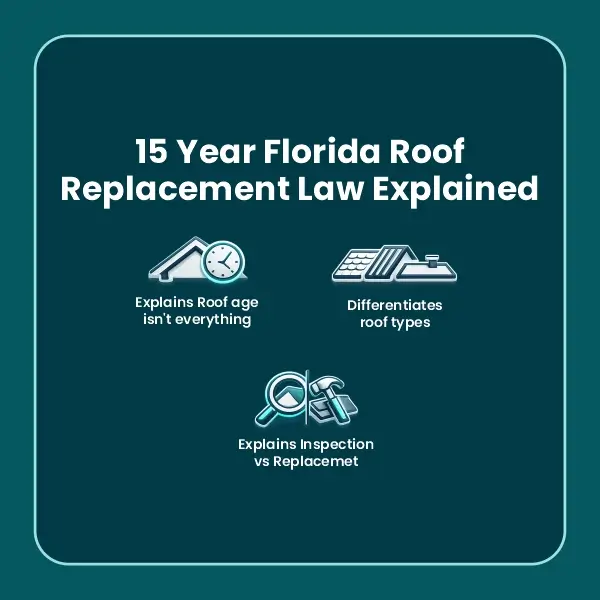
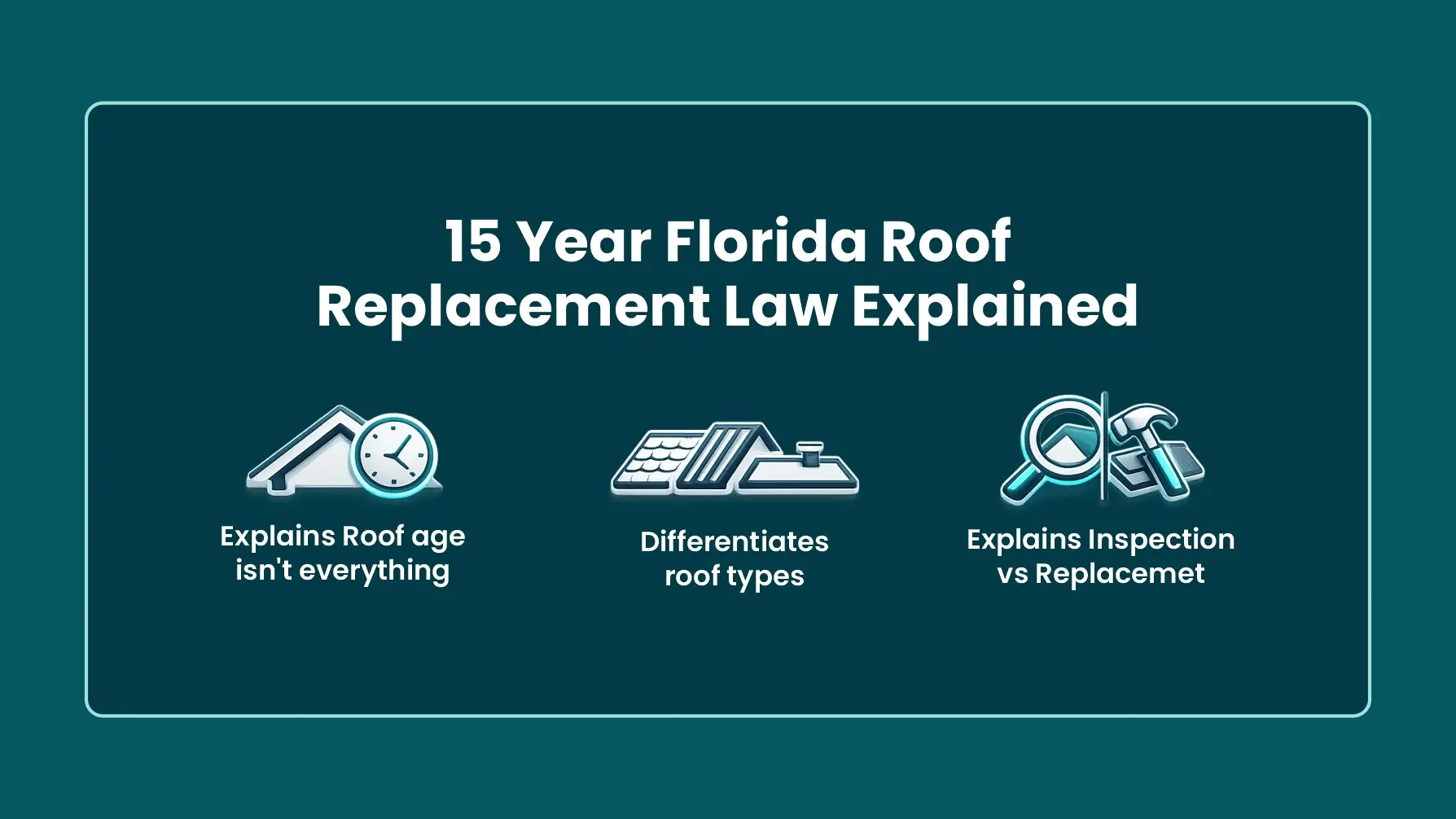
Furthermore, the House Bill # 815 (applicable July 1, 2026) stops insurance companies from refusing home insurance renewal only due to roof age. Moreover, it has also revised the definition of the authorized inspector, who is a IIBEC certified professional inspector. Finally, it solidifies consumer rights by differentiating roof types before replacement.
Here are some differences between roof inspection and replacement that would help us understand the roof inspection and be useful as per the new roof replacement law.
Roof inspection is carried out by an authorized inspector who is a registered roof consultant, as certified by the IIBEC. Moreover, he also has to ascertain the useful life, which is the number of years a roof is expected to perform usefully and safely for the home. In addition, inspectors have to evaluate the factors such as:
Then they estimate how many years the roof can continue to work before replacement is needed.
Roof replacement involves removing the existing roof and installing a new roofing system that meets the requirements of the Florida Building Code. The procedure usually starts with tearing off old roofing materials like shingles, tiles, or metal panels.
This legislation is important for senior homeowners because it provides stability, and protection during a stage of life ,when income is often limited. Lets talk in details to understand this roof replacement legislation better:
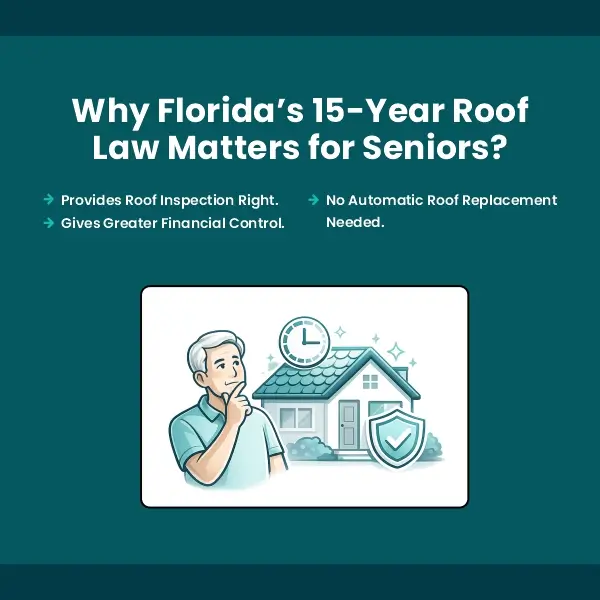
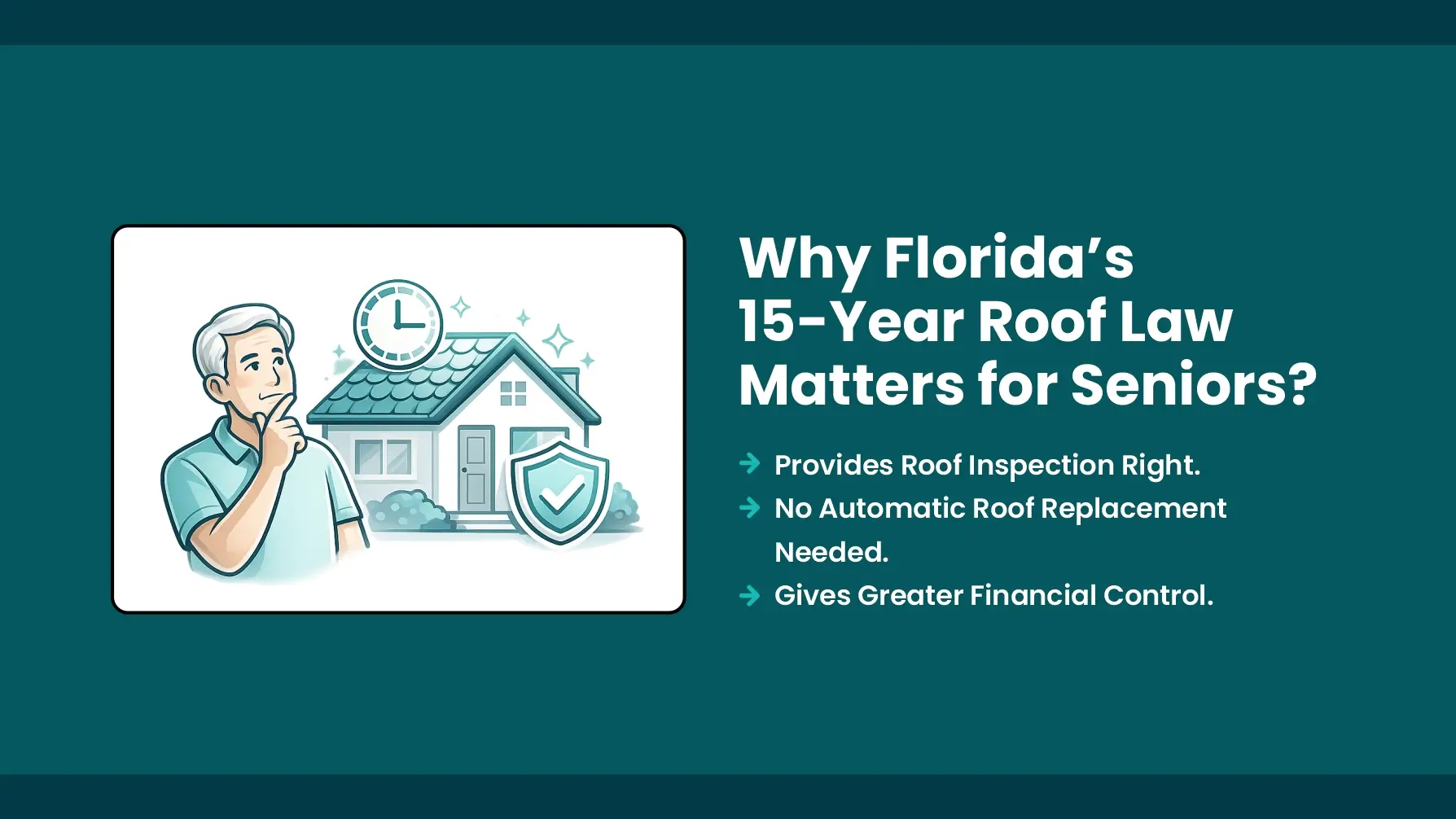
The homeowners are no longer required to replace their roofs even if they are 15 years old. Moreover, insurers don't have the authority to deny coverage based on age alone. longer need to replace a roof solely because it is aging, and that would save thousands of dollars for them.
The residents can easily ask for an independent inspection to determine the remaining useful life. If the review shows the roof is still in very good condition, then the coverage should continue without any replacement.
The Houseowners have greater financial control as they can easily plan renovations or upgrades strategically instead of reacting to roofing insurance pressure. It is a great benefit for seniors, depending on their fixed retirement incomes.
Insurance companies often highlight roof age, but they don't give much importance to roof conditions, documentation, and risk factors.Understanding how inspectors evaluate materials, repairs, and mitigation measures helps homeowners ,avoid unexpected premiums, and ensure accurate coverage. Let's discuss its details and how it affects owners.
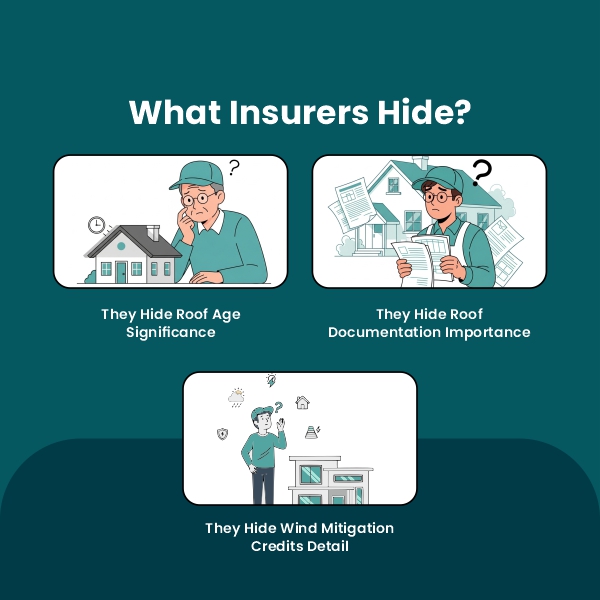
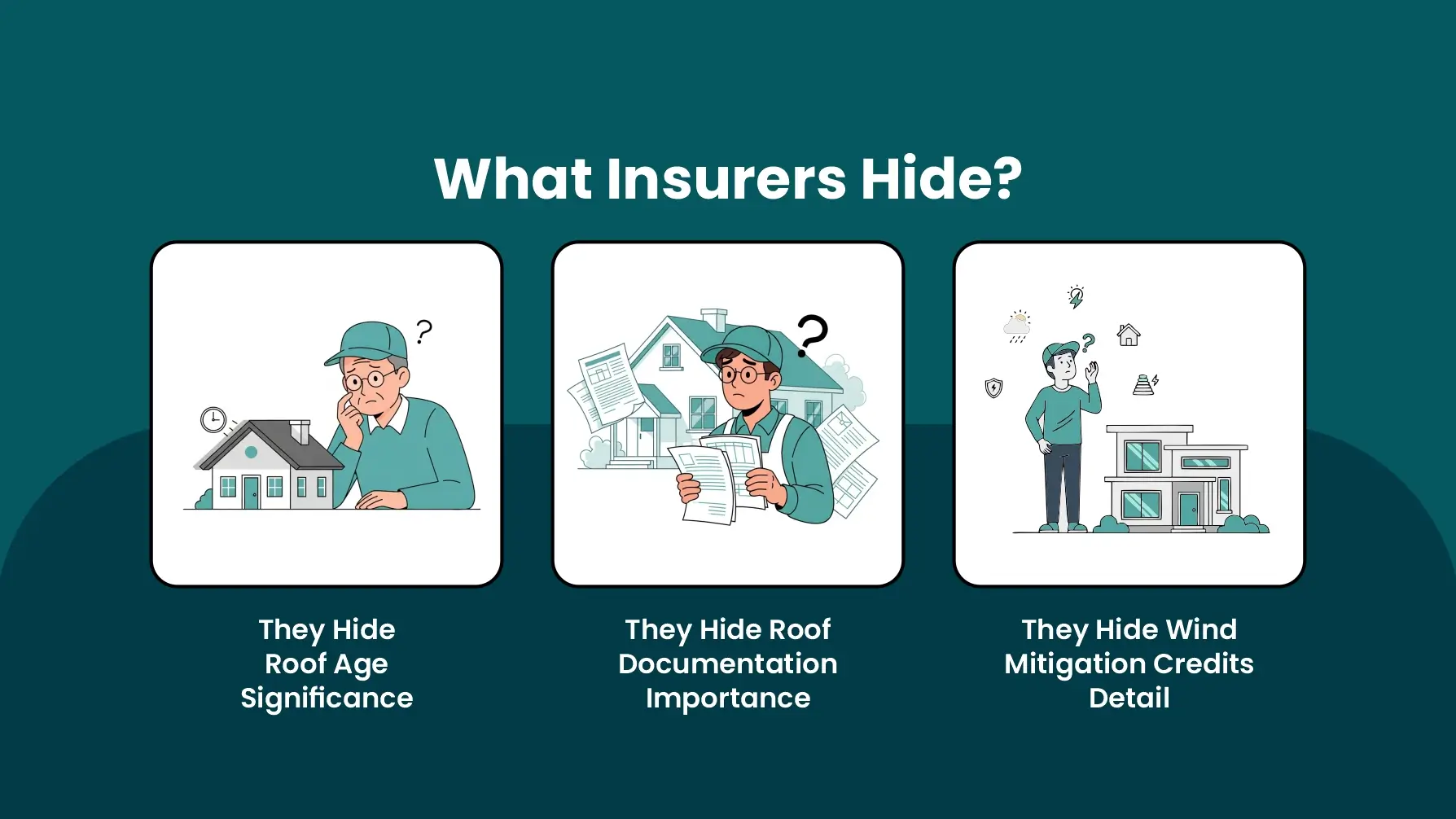
Insurance companies focus on the roof age while inspecting the home, but the roof condition is more important than anything else. During the inspection, the inspector has to look into the following to ascertain the actual roof condition:
Roof age refers to the number of years since a roof was installed. It helps determine remaining useful life, potential wear, and when inspections, maintenance, or replacement may be necessary.
The homes built before 2002 only require a wind mitigation inspection, as building codes changed after that. Therefore, homes built in or after 2002 would automatically get the wind mitigation credits as they are required to fulfill the roofing regulations.
This inspection normally costs less than $150, and the insurance company applies the lifetime premium discount.
Proper documentation is extremely important before scheduling a roof inspection or renewal of your insurance policy. Therefore, seniors must keep records of their roof's condition, past repairs, and age to ensure inspectors and insurers have the correct information. It also helps inspectors to ascertain the correct useful life and helps you protect from higher premiums in case of heavy repairs or replacement.
Not every aging roof needs replacement, but knowing when it truly matters can save money and stress. Understanding these signs helps homeowners make smart, timely decisions for long-term safety and comfort. Here’s when investing in a new roof is necessary and truly makes sense.
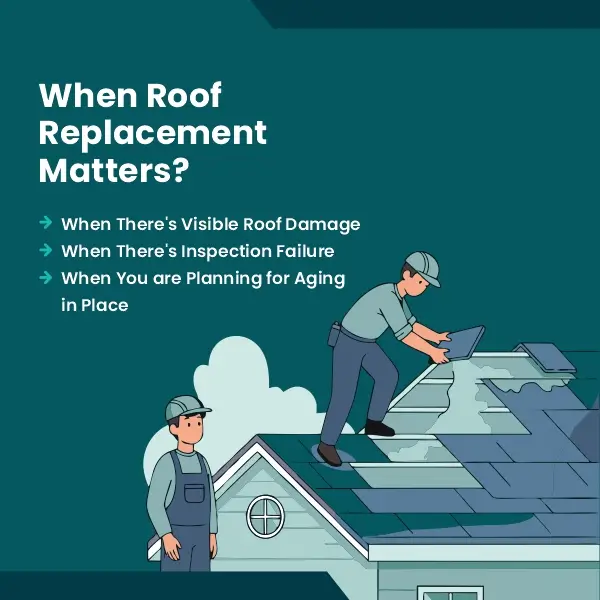
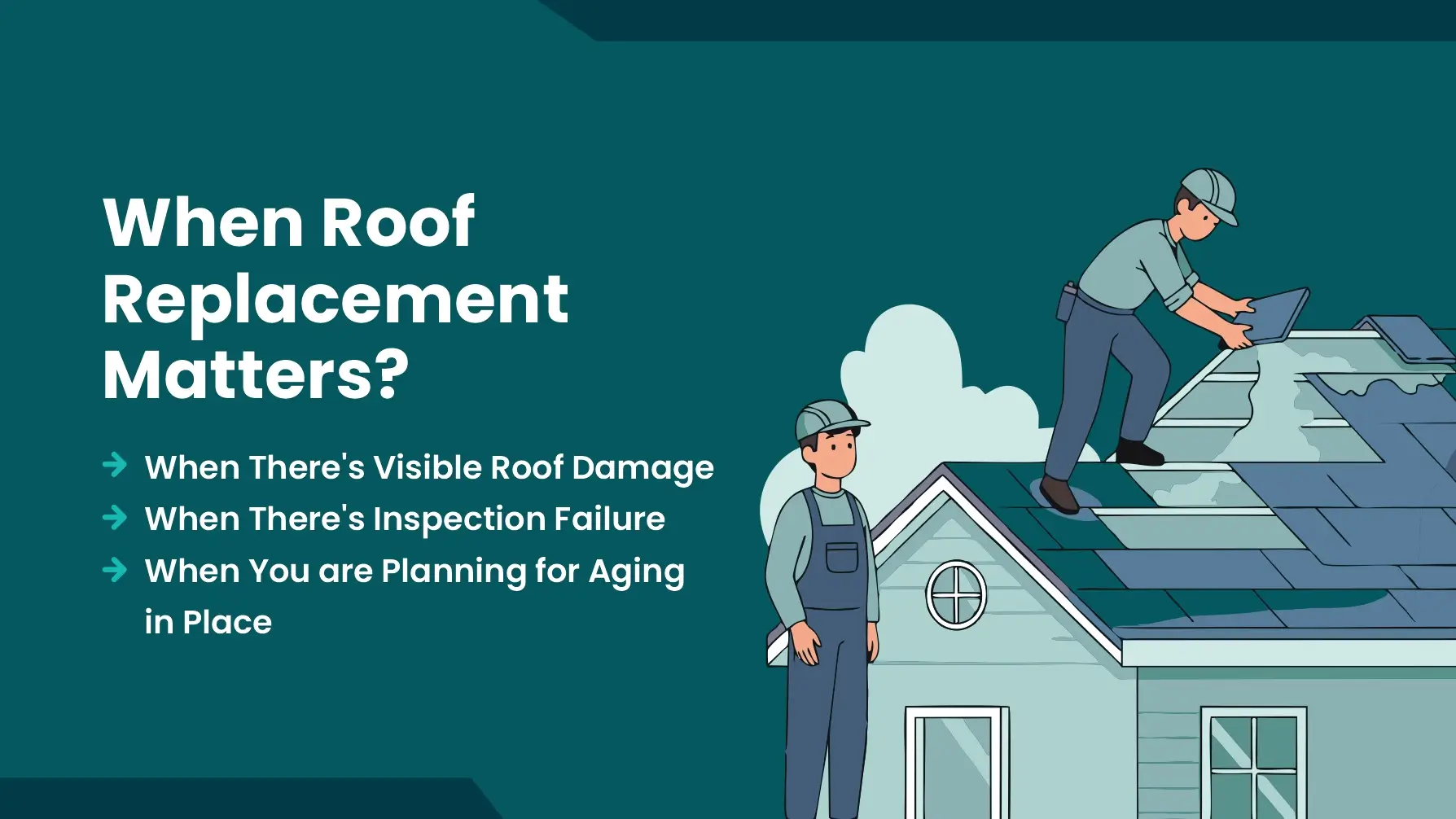
Common issues such as missing, curling, or rupturing clearly signal that your home needs a roof replacement. Furthermore, other signs include a leakage surfacing in many rooms, a visibly flagging roofline, and particles from your shingles aggregating in the gutters. It is time when roof replacement becomes compulsory.
An inspection carried out by a certified professional by the IIBEC is mandatory to ascertain the useful life of your roof. This kind of expert evaluates the roof's condition, estimates the remaining lifespan, and offers honest pricing for both repair and replacement. Finally, the inspector also analyzes the attic and interior structure to finalize the process. If the roof has limited remaining life, then replacement becomes mandatory.
The majority of people wish to live in their homes as they get older. It is important for them as it maintains independence for as long as possible, and they have always wanted to get help from family and friends. Staying in their own homes as they get older is known as "aging in place." This is the time when seniors should look for a replacement.
Before replacing a roof, seniors should take a few smart steps to avoid costly mistakes and unnecessary stress. Here are some of the useful steps to be taken before roof replacement that can save homeowners from future hiccups.
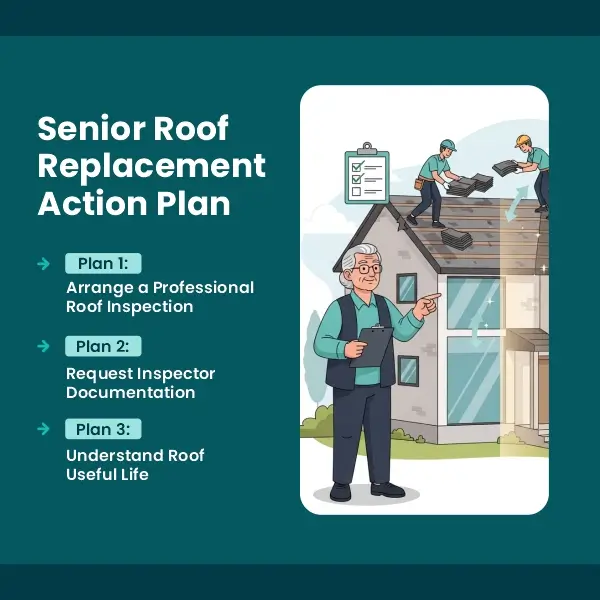
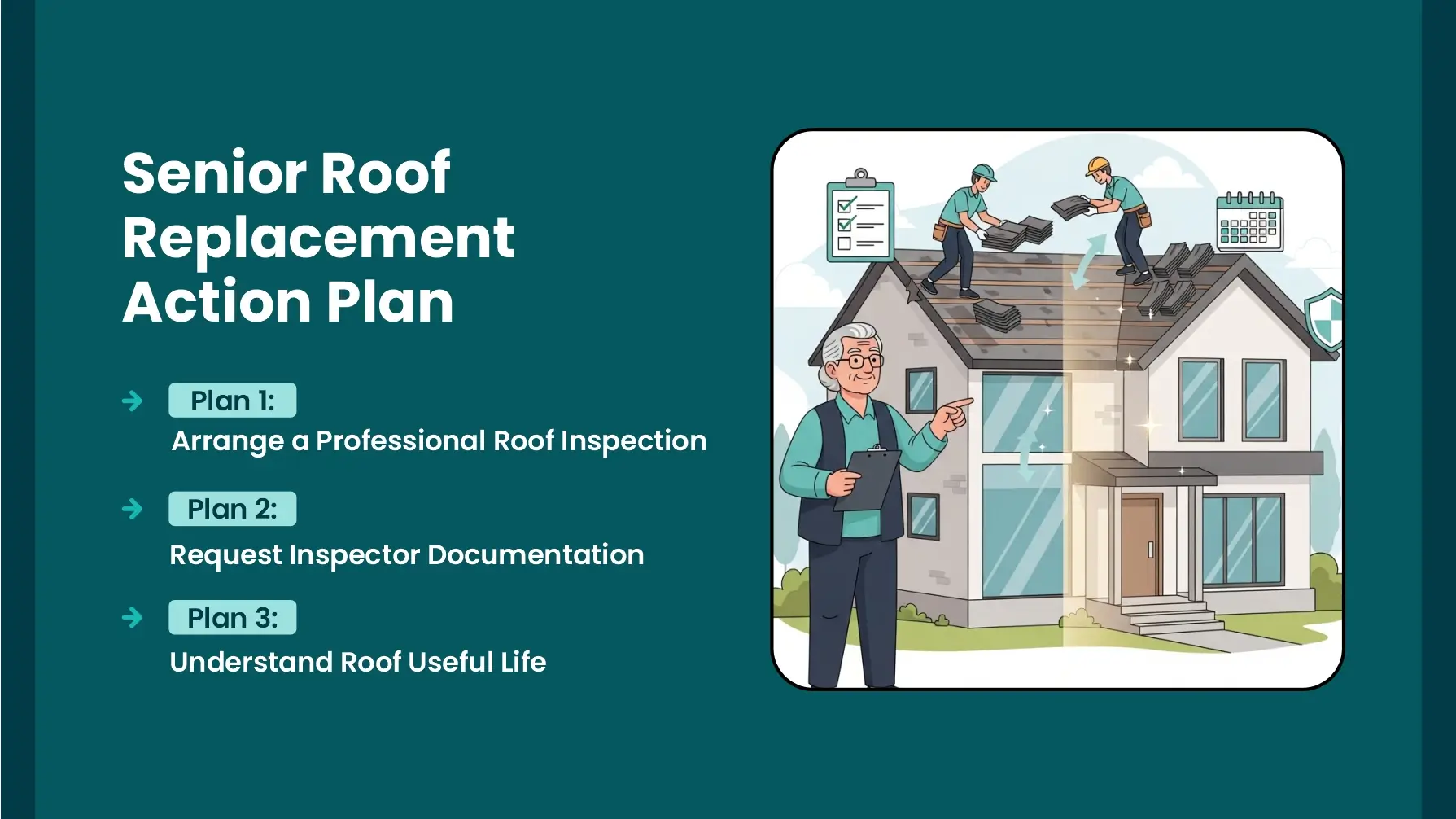
The roof owners must hire a IIBEC certified inspector to evaluate the roof’s condition, recognizing any damage or potential issues.
They must demand a comprehensive report from inspectors, seeing present issues, repairs required, and general conditions for future reference.
The property holders should determine how many years the roof can last before replacement is compulsory. Understanding its remaining lifespan helps homeowners plan ahead, budget wisely, and avoid unexpected failures or emergency repairs.
They must discuss the temporary repairs vs long-term solutions covering the roof’s lifetime.This helps homeowners make informed decisions that balance immediate affordability with long-term durability and financial security.
Consider upgrades that protect against windstorms and may lower insurance premiums.Eventually ,helping you save money while adding long-term value to your property.
Florida homeowners, especially seniors, must understand the new roof replacement law, as it will help them plan a strategy for the future. Moreover, not every 15-year-old roof needs immediate replacement; it depends on its condition and remaining useful life. Therefore, educating yourself about documentation, inspections, and repair options aids in safeguarding your retirement savings and guarantees your roofing insurance coverage stays effective.
Furthermore, active planning, including studying wind mitigation upgrades and comparing long-term versus short-term costs, safeguards against final stress and unanticipated costs. By staying informed and making intelligent decisions, seniors could protect their assets, capitalize on value, and handle roof maintenance positively rather than reactively.
Join our mailing list for exclusive updates, expert tips, and special offers tailored to your needs. Be the first to know about the latest in home services.

Renovize Home is a platform that supports homeowners from planning to renovation. Whether it’s Renovize AI for guidance or a one-on-one call with Pro Finder, we understand your project and match you with local contractors tailored to your needs.
Who We Are
About Renovize HomeGet in TouchHomeownwer Support:
Coming Soon!
General Inquiries:
support@renovizehome.com
Head Office:
24 Greenway Plaza, STE 1800M, Houston, TX 77046.