
Explore All
BROWSE BY CATEGORY
Interior
Exterior
Home Essentials
Homeowner Tools
Blogs & Guides
Find a Pro
Book Your Appointment Now
Home Essentials
About Renovize Home
Explore All
BROWSE BY CATEGORY
Interior
Exterior
Home Essentials
Homeowner Tools
Blogs & Guides
Find a Pro
Book Your Appointment Now
Home Essentials
About Renovize Home
Last Updated 2026-04-27
Rising energy bills and extreme temperatures are making home efficiency more important than ever for homeowners. Improving efficiency means your home uses less energy to stay comfortable. To encourage this, the federal government has introduced the “Energy Efficient Home Improvement Credit” program, which allows you to recover part of your upgrade costs through valuable tax savings. That means the improvements you make today don’t just lower your monthly utility bills; they also add long-term value to your home.
Here, we’ll explore four powerful energy-efficient home improvements that enhance daily comfort. These upgrades can also help you maximize available tax credits before they change or expire. We’ll also explain who is eligible for this benefit, along with the key criteria you need to qualify for the tax credits.
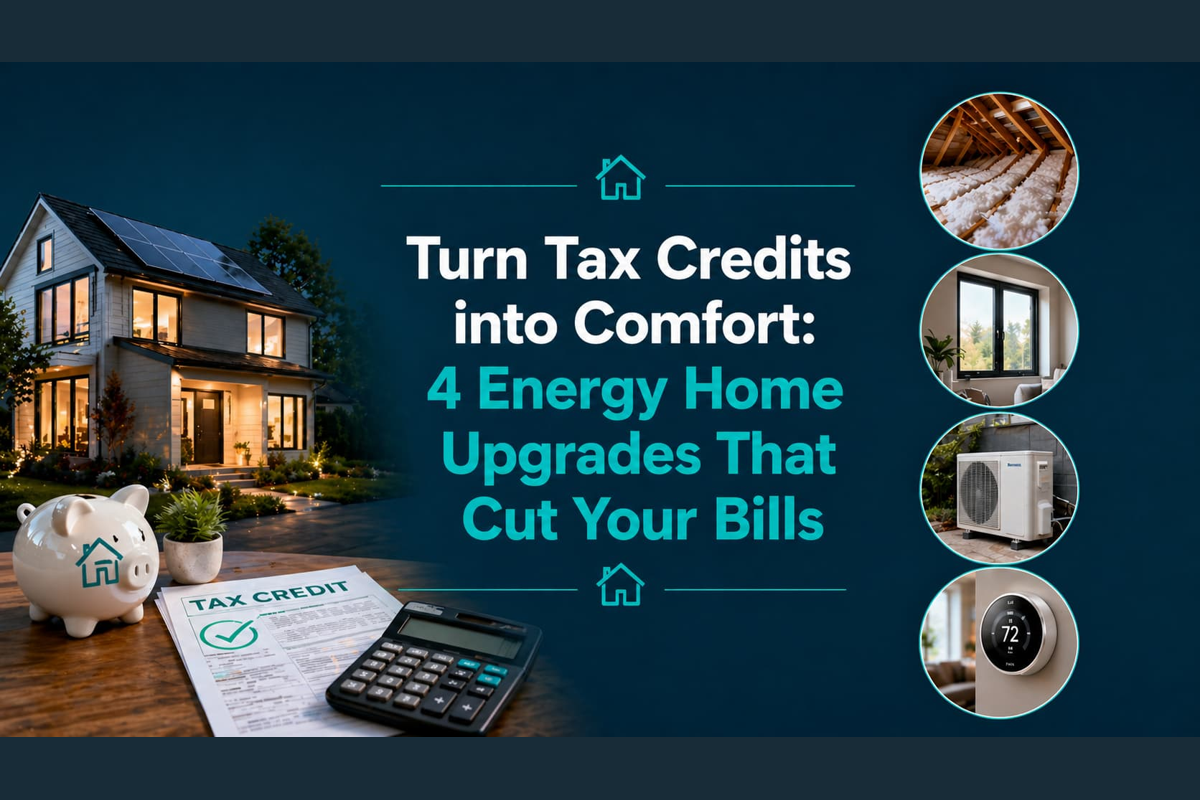
Table of Contents
4 Energy Efficient Home Upgrades
Eliability Criteria to Claim the Credit?
What Costs Count Toward the Credit?
How to Claim the Tax Credit?
Final Words
Energy-efficient home upgrades are one of the smartest ways to reduce utility bills while improving comfort and long-term property value. In addition to savings, many of these upgrades qualify for federal tax credits, allowing homeowners to recover a portion of their investment. Let’s look at four key energy-efficient upgrades that can make your home more comfortable, efficient, and cost-effective year-round.
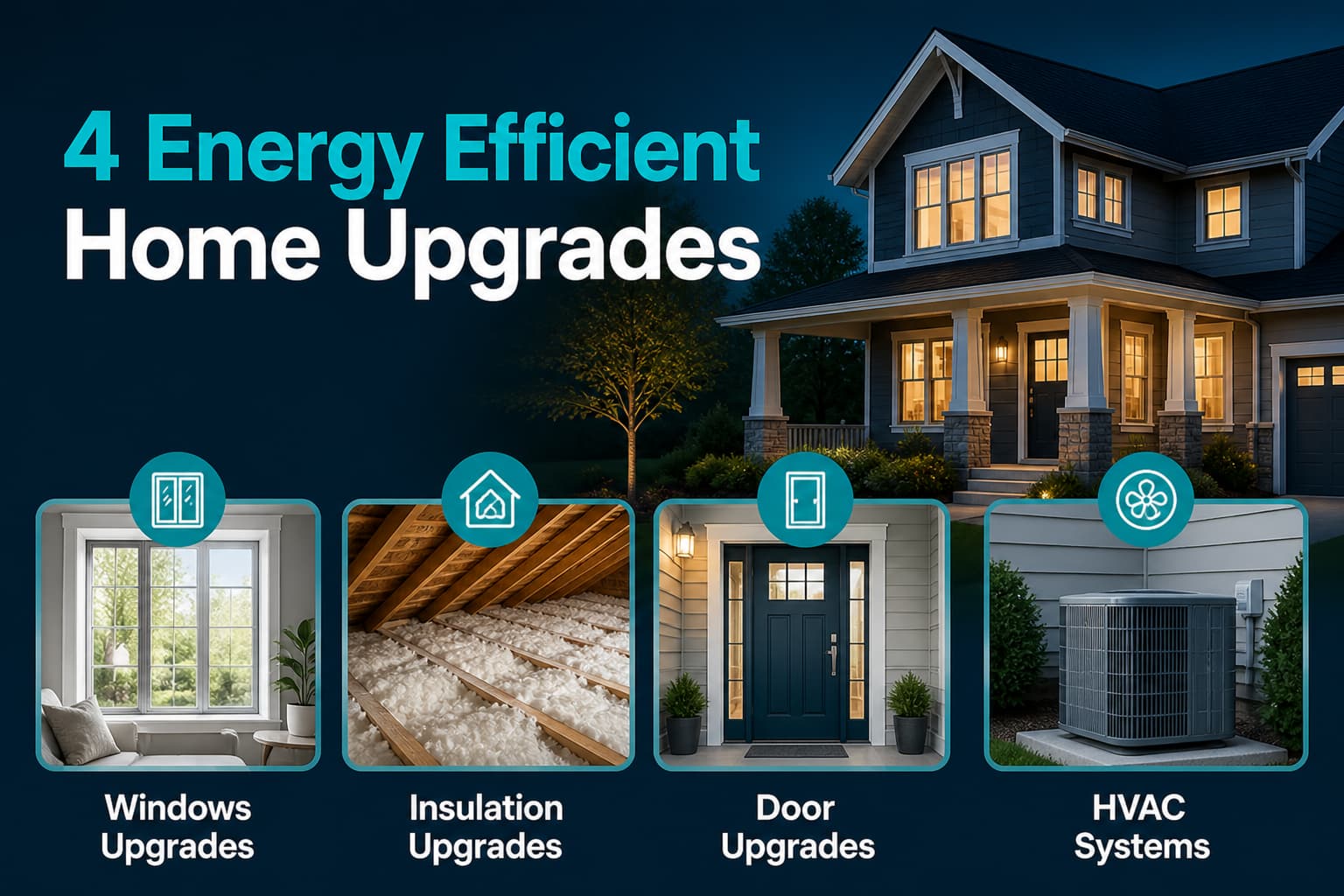
Energy-efficient windows are an amazing addition to the list of energy-efficient upgrades. These items deliver measurable savings while improving everyday life as they are designed using the latest features, such as low-emissivity (Low-E) coatings. During the summer, they reflect heat and retain warmth in the coldest winters. Moreover, your HVAC system doesn't have to work as hard, resulting in lower energy consumption and lower utility bills.
According to the latest regulations, you can recover 30% of the cost of a window, up to $600 per year for all windows.
Florida's intense heat could put consistent stress on your home and energy expenses. Therefore, in this situation, an energy-efficiency upgrade, such as insulation, can make a significant difference. It should be your first energy-efficiency venture for your home, as it would help you get the most out of other home upgrades. Moreover, this comprehensive solution combines blown-in insulation and solar Star attic fan ventilation to lower attic temperatures, enhance indoor comfort, and reduce air conditioning use. Moreover, it addresses multiple areas simultaneously; this integrated approach helps create a cooler, more efficient home environment. Under the latest rules, the most popular insulation items, such as blow-in insulation, weatherstripping, and house wrap, qualify for this tax credit program. However, they must be accompanied by a manufacturer's certification statement. You can recover up to 30% of the total cost of home insulation, including installation, up to $1,200 per year.
After upgrading your property's external doors could enhance energy efficiency by creating a tighter, safer seal against the elements. Old or poorly fitted doors often allow air leaks, leading to drafts and forcing your heating and cooling systems to work harder than needed. By installing modern, energy-efficient doors, you can maintain a more consistent indoor temperature year-round. Consequently, it increases comfort while reducing energy waste and lowering utility bills over time. You can recover 30% of the product costs, capped at $500 annually.
Under the federal Energy Efficient Home Improvement Credit, homeowners had the opportunity to significantly reduce the cost of upgrading their HVAC systems by claiming a portion of their investment as a tax credit. This program allowed you to claim 30% of the total installation cost, including equipment and professional installation labor. It was designed to encourage the adoption of high-efficiency systems that lower energy consumption and reduce environmental impact.
Homeowners must follow the rules to qualify for the tax credit, as it is not available to everyone.
Here are some points to consider while counting costs towards the credit:
The homeowners must claim the tax credit in the year when the improvement was made. They have to submit the Form 5695, Residential Energy Credits Part II, with their tax return to claim the credit. Furthermore, proper documentation, receipts, and contractor information must be attached to the form as supporting documents.
Finally, the aforementioned home improvements are not just normal upgrades. They are extremely intelligent financial decisions that offer comfort, savings, and long-term value. Property owners can considerably decrease energy waste with these upgrades. When combined with incentives like the Energy Efficient Home Improvement Credit, these improvements become even more beneficial, helping you recoup costs while reducing annual expenses. However, proper timing and installation are key to maximizing these benefits.
If you're ready to lower your energy bills and upgrade your home's comfort, now is the time to act. Take advantage of our free call facility and talk to a professional today and start turning energy savings into real, lasting value for your home.
Join our mailing list for exclusive updates, expert tips, and special offers tailored to your needs. Be the first to know about the latest in home services.

Renovize Home is a platform that supports homeowners from planning to renovation. Whether it’s Renovize AI for guidance or a one-on-one call with Pro Finder, we understand your project and match you with local contractors tailored to your needs.
Who We Are
About Renovize HomeGet in TouchHomeownwer Support:
Coming Soon!
General Inquiries:
support@renovizehome.com
Head Office:
24 Greenway Plaza, STE 1800M, Houston, TX 77046.