Siding • 2026-10-27
Mastic Quiet Willow Siding: Easy Installation and Long‑Lasting Protection
mastic quiet willow siding offers a budget‑friendly, low‑maintenance exterior finish with fast install times and solid durability for any home.
Subscribe to our newsletter
Our bi-weekly newsletter full of inspiration, podcast, trend and news.
Mastic Quiet Willow Siding: Easy Installation and Long‑Lasting Protection
Is your home’s exterior looking faded, dated, or plain? Mastic Quiet Willow siding gives it a fresh, soft color with the low upkeep of vinyl.
In this guide, you’ll learn what Quiet Willow is, three ways to use it, what vinyl siding typically costs, and how to make sure it’s installed right.
Quick Answer: Quiet Willow is a soft, muted green siding color from Mastic, a vinyl siding brand. Replacing 1,250 square feet of vinyl siding costs about $17,950 on national average, or roughly $14 per square foot, and recovers about 97% of its cost at resale. Vinyl siding lasts about 60 years. [3]
Three Main Ways to Use Mastic Quiet Willow Siding
Mastic Home Exteriors is a vinyl siding brand from Ply Gem, and Quiet Willow is one of its siding colors[1]. Here are three ways to use the color, depending on the look you want.
1. Classic Horizontal Lap Siding
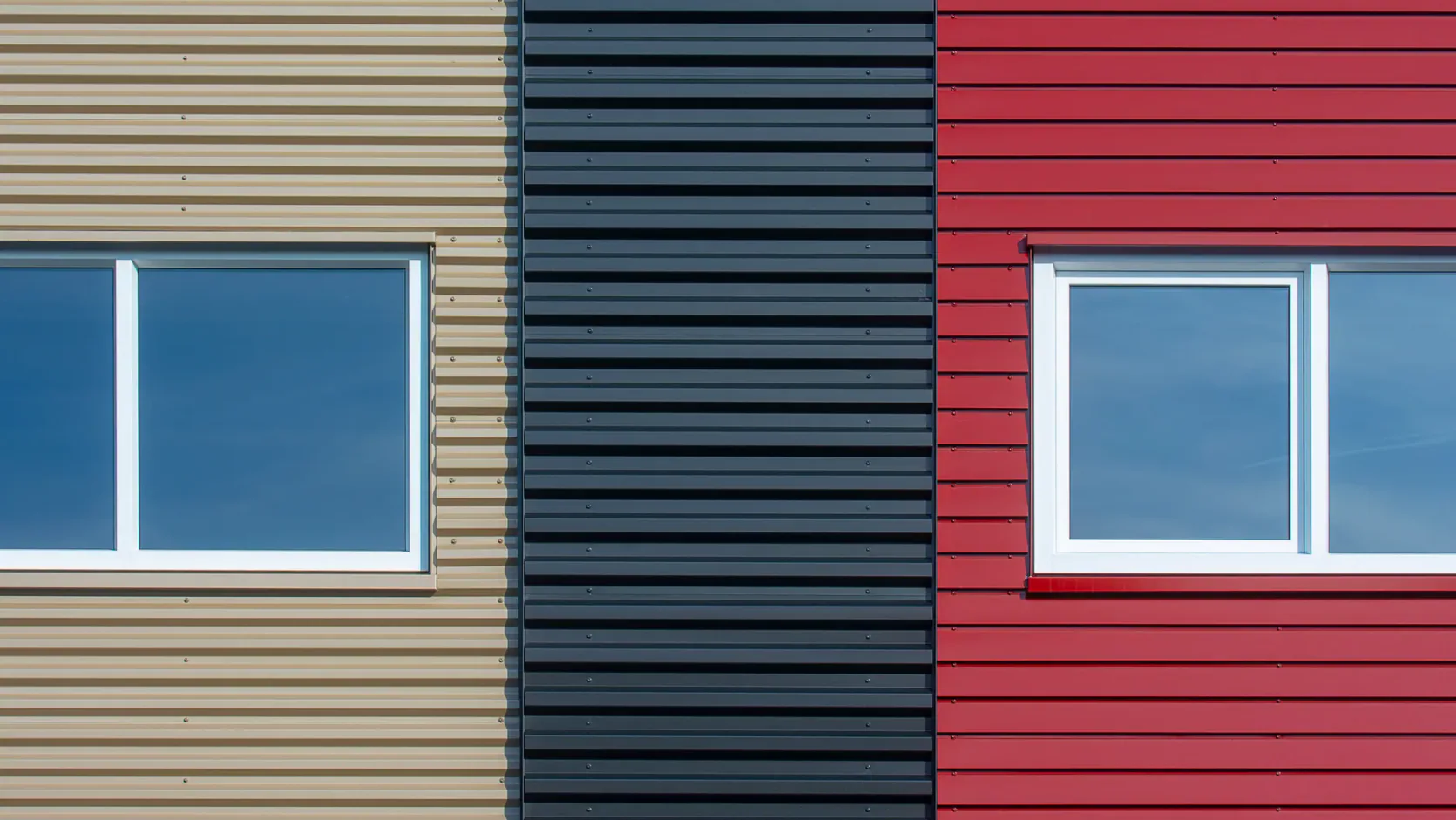
Horizontal lap siding is the most common way to use vinyl. Long panels run across the wall and overlap like traditional wood clapboards, and a soft color like Quiet Willow keeps the look calm and natural.
Vinyl siding gets its color from the material itself, so it never needs painting, and it lasts about 60 years. Before you order, confirm that Quiet Willow comes in the lap profile you want, since colors and profiles vary by product line. [1]
Best for: Whole‑house projects and homeowners who want a clean, classic look.
2. Vertical Board and Batten
Board and batten uses wide vertical panels with narrow strips, called battens, over the seams. The tall lines draw the eye upward, which can make a single‑story home look taller.
Quiet Willow’s soft green suits farmhouse and cottage‑style homes. You can use board and batten on the whole house or only on gables and entries, but check that Quiet Willow is offered in Mastic’s vertical profiles before you plan around it. [1]
Best for: Farmhouse, cottage, and ranch homes that need more height and character.

3. Mixed Styles with Crisp Trim
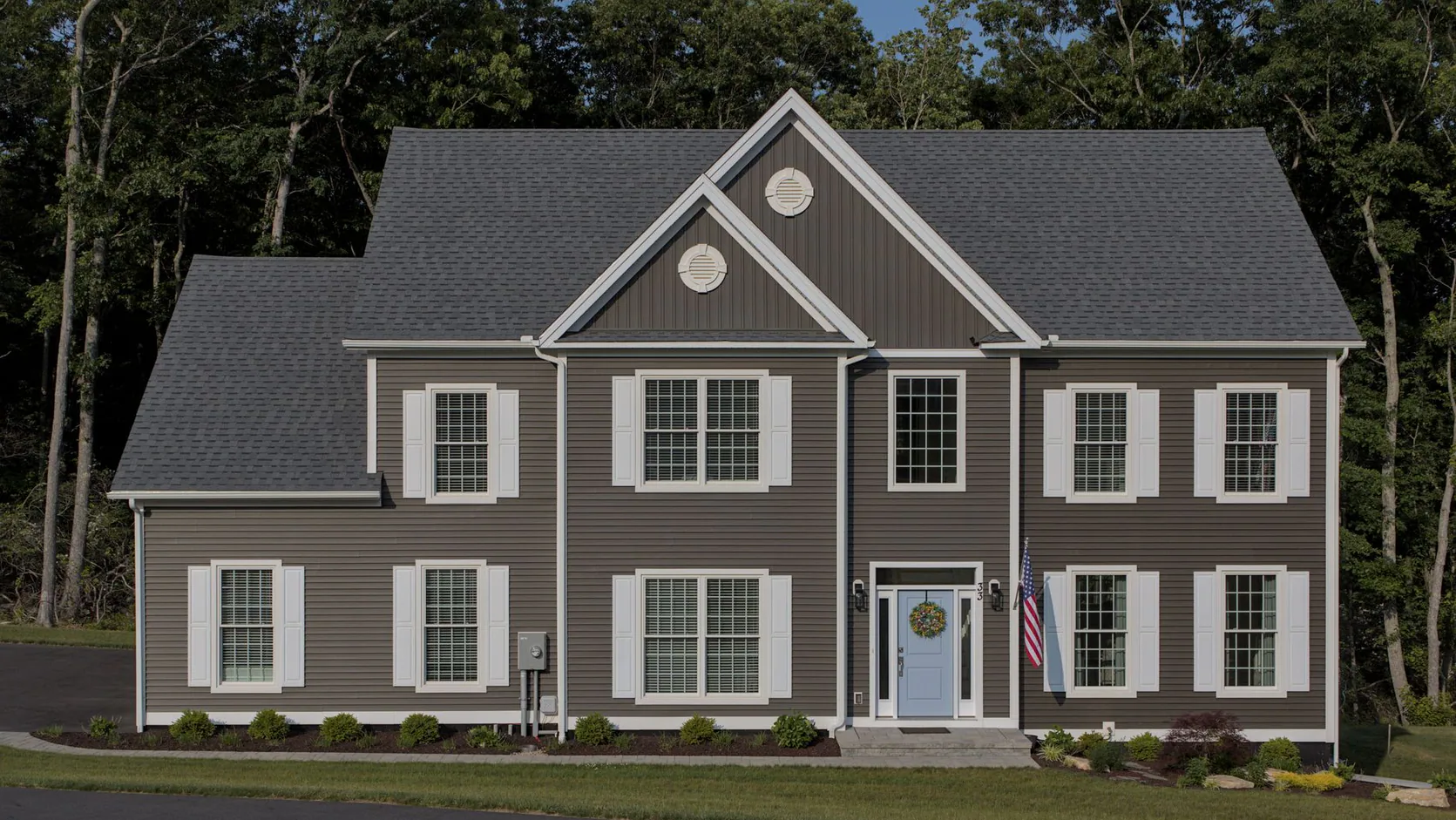
Mixing profiles adds interest without adding a second color. A common approach is lap siding on the main walls with board and batten or shakes in the gables, all in Quiet Willow.
White or cream trim around windows, doors, and corners frames the soft green and makes the house look sharp from the street. Keep the trim color the same everywhere so the mixed textures still read as one design.
Best for: Two‑story and gabled homes that need more curb appeal from a single color.
Side‑by‑Side Comparison
Here’s how the three ways to use Quiet Willow compare on look, placement, effort, and ideal use.
Comparison Table
| Option | Look | Where to Use It | Installation Effort | Best For |
|---|---|---|---|---|
| Horizontal Lap | Classic and clean | Whole house | Standard | A simple, timeless look |
| Board and Batten | Tall and textured | Whole house or gables | Moderate | Adding height |
| Mixed with Trim | Layered and detailed | Main walls plus gables | Higher | Gabled or two-story homes |
All three options use the same vinyl siding. On national average, replacing 1,250 square feet of vinyl siding costs about $17,950, and vinyl siding lasts about 60 years[2]. Prices change with location, profile, trim work, and removal of old siding.
Additional Tips for a Successful Siding Upgrade
Check Local Building Codes
Some areas have rules for exterior cladding, such as wind ratings in high‑wind zones or permits for full re‑siding. Check with your local building department before you order.
Prep the Wall Properly
Repair any rotted sheathing and install a weather‑resistive barrier before the siding goes on. Vinyl siding works as a rain screen, not a waterproof layer, so the barrier underneath does the real water protection. [4]
Leave Room for Expansion
Vinyl expands and contracts with temperature. Leave about a 1/4‑inch gap where panels meet corner posts and J‑channel, or 3/8 inch when installing below 40°F. [4]
Nail It Loosely
Drive nails in the center of the nailing slots and leave about 1/32 inch, roughly the thickness of a dime, between the nail head and the panel so the siding can move. Use corrosion‑resistant nails. [4]
Clean It Once a Year
Wash the siding with a soft cloth or long‑handled soft brush and plain water or a mild cleaner to keep the color looking fresh. [4]

Pro Tip: Colors look different on a screen than on a house. Ask for a physical Quiet Willow sample and view it outside in morning and afternoon light before you commit.
Conclusion
Mastic Quiet Willow siding gives your home a soft, natural color with the low upkeep of vinyl. Whether you choose classic lap siding, vertical board and batten, or a mix of both with crisp trim, you get a finish that never needs painting.
Confirm that Quiet Willow comes in the profile you want, prep the wall properly, and hire an installer who follows vinyl siding guidelines, and your new exterior can look good for decades.
Frequently Asked Questions
How long does Mastic Quiet Willow siding last?
Vinyl siding lasts about 60 years with normal care. [3]
What color is Quiet Willow?
Quiet Willow is a soft, muted green from Mastic’s vinyl siding color line. [1]
Can I install it myself?
DIY is possible for small sections, but vinyl must be nailed loosely and gapped for expansion, so most homeowners hire an experienced installer. [4]
What maintenance does it need?
Wash it about once a year with a soft brush and water, and check the trim and seams after major storms.
References
[1] Mastic Home Exteriors by Ply Gem. (n.d.). Vinyl siding colors. https://www.mastic.com/
[2] Zonda Media. (2025). Cost vs. Value report 2025: National averages. Journal of Light Construction. https://www.jlconline.com/cost-vs-value/2025/
[3] International Association of Certified Home Inspectors (InterNACHI). (n.d.). InterNACHI’s standard estimated life expectancy chart for homes. https://www.nachi.org/life-expectancy.htm
[4] Vinyl Siding Institute. (n.d.). Vinyl siding installation manual. https://www.vinylsiding.org/
Subscribe to our newsletter
Our bi-weekly newsletter full of inspiration, podcast, trend and news.