Bathroom • 2026-11-11
Low Flow Showerhead Savings: Save Money Now
Swapping your old showerhead for a low flow model is one of the cheapest ways to shrink your utility bills. This guide breaks down real costs, yearly savings of $100 to $300, and why most units pay for themselves in under two years.
Compare simple replacement heads, aerating models, and full valve kits to find the right fit for your home and budget. You’ll also learn how rebates, regular cleaning, and the WaterSense label can help you get the most savings from every shower.
Subscribe to our newsletter
Our bi-weekly newsletter full of inspiration, podcast, trend and news.
Low Flow Showerhead Savings: Save Money Now
Do you wonder if switching to a low flow showerhead is actually worth the money? Low flow showerhead savings are becoming a top choice for homeowners looking to reduce monthly expenses without sacrificing comfort.
Most standard showerheads use around 2.5 gallons per minute. [1] Newer models often use 1.6 gallons or less. This simple change can lower your water and energy bills noticeably over time. We look at the real numbers to help you decide.
Quick Answer: A typical low flow showerhead costs around $20 to $100. It can save an average family around $100 to $300 per year on water and heating bills. Most units pay for themselves in under two years.
What Is Low Flow Showerhead Savings?
Low flow showerhead savings is the reduction in water and energy costs from using a fixture that uses less than 2.5 gallons per minute. It includes lower utility bills and reduced demand on local water infrastructure. It is for any homeowner or renter wanting to cut costs easily.
For an average shower duration of 8 minutes, a low flow showerhead can save around 8 gallons of water per shower. This translates to approximately 2,920 gallons annually for daily showers, often reducing water bills. [1]
The savings from low flow showerheads come from two main areas: reduced water usage and lower energy costs for heating. A standard showerhead uses 2.5 gallons per minute (GPM), while low flow models use 1.6 GPM or less. This reduction can save an average family of four up to 2,700 gallons of water per year per showerhead. [1] Over time, this adds up to significant savings on your water bill.
Three Ways To Maximize Your Savings
You can save money in different ways depending on your setup. Here are the three most common approaches to getting the best value.
Consider the number of showers in your home. Installing low flow showerheads in multiple bathrooms amplifies savings, especially in larger households.
When choosing a low flow showerhead, consider your household's specific needs. For example, if you have a large family, the savings from multiple showerheads can be substantial. Additionally, some models offer adjustable settings, allowing you to switch between different flow rates for various tasks, such as a gentle rinse or a more powerful spray for cleaning.
1. Standard Replacement Units
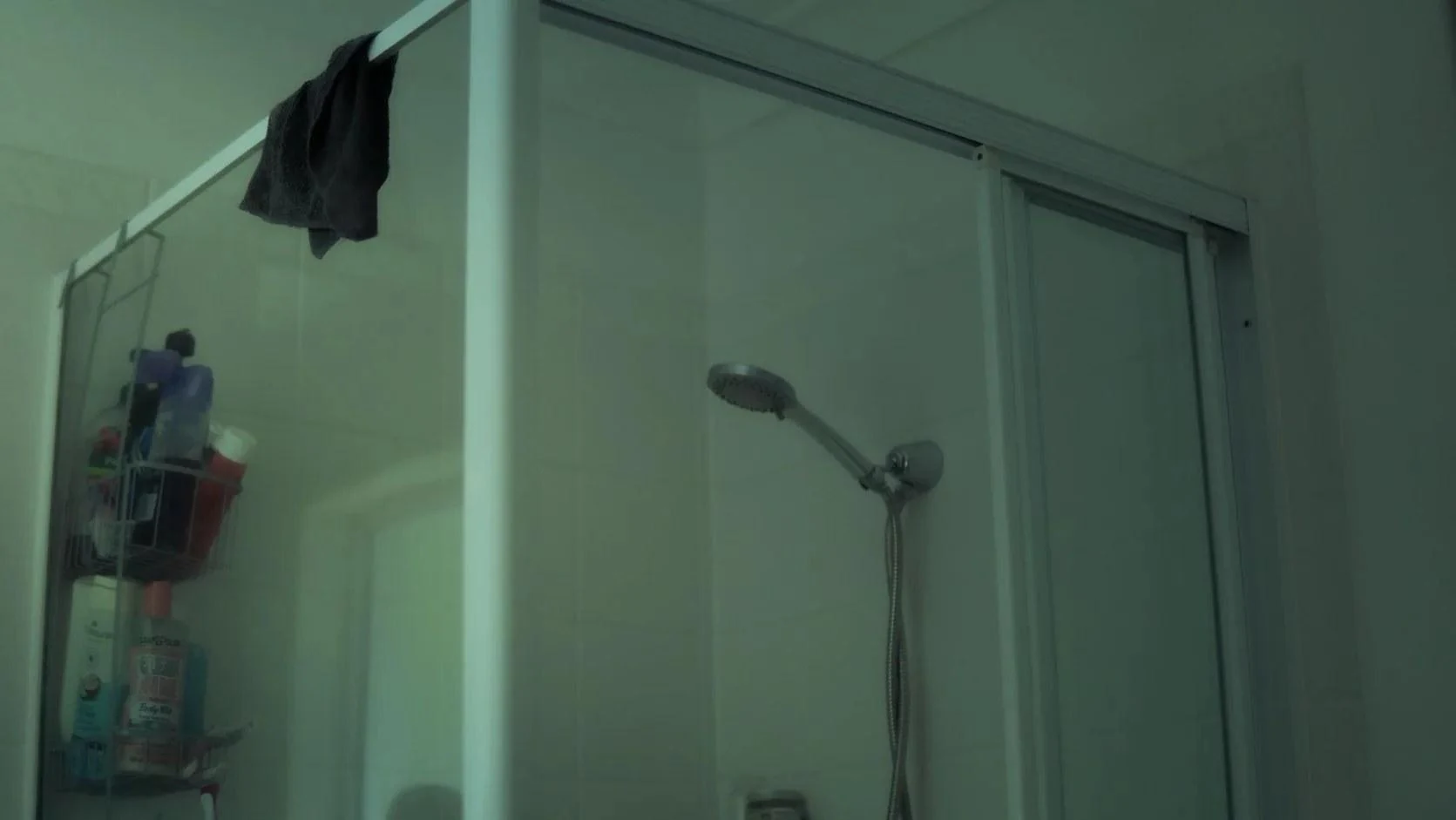
This is the easiest option. You unscrew the old head and screw on the new one. No tools are needed beyond a wrench. It is a ten minute job for most people.
Best for: Renters or owners who want a quick, low-effort upgrade.
2. High-Pressure Aerating Heads
These heads mix air with water. This creates larger droplets that feel more substantial. They use less water than standard heads but provide a strong spray. Many users say they feel almost the same as before.
Best for: People who worry about weak water pressure.

3. Thermostatic Combination Kits
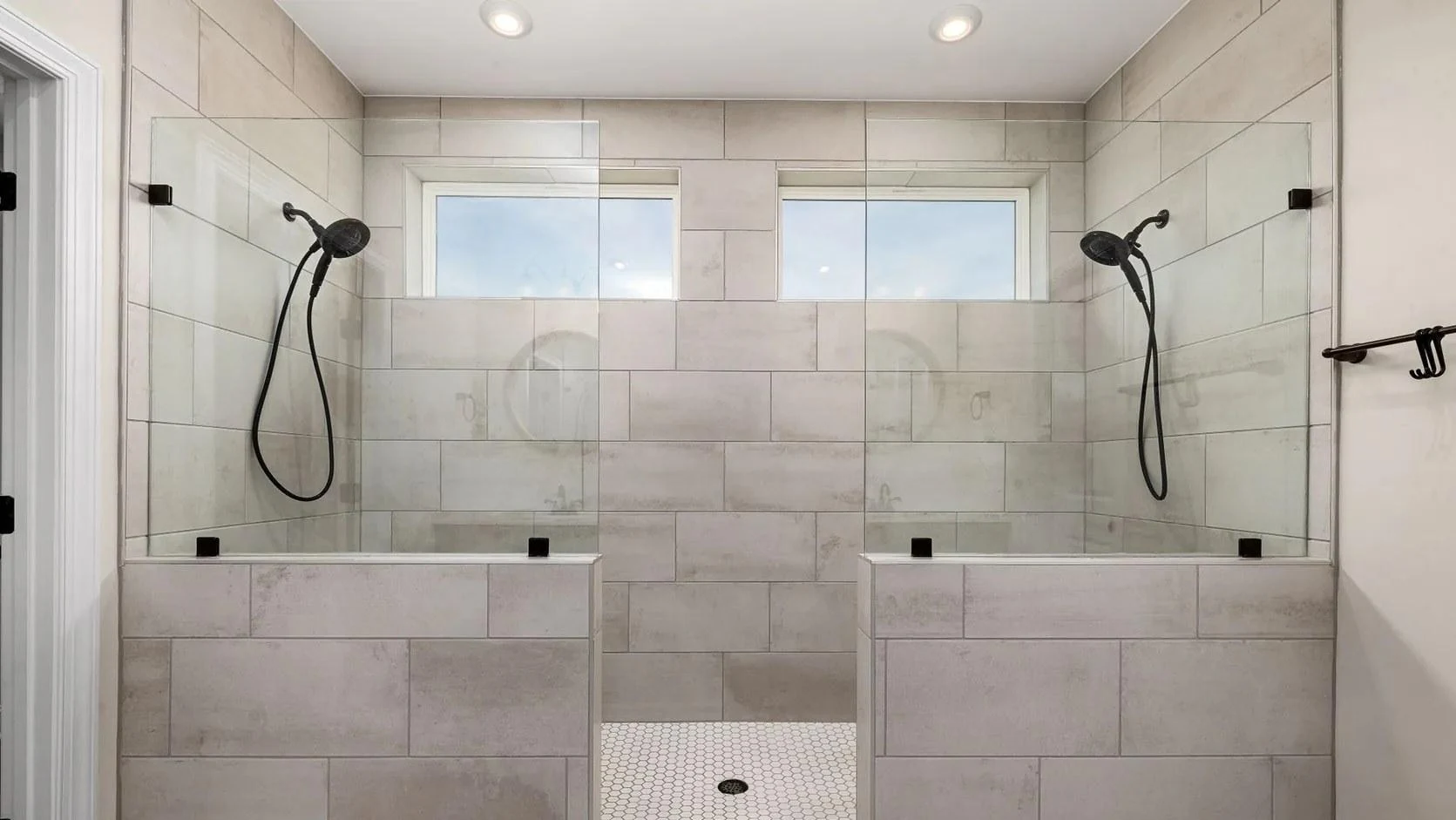
This involves replacing the shower valve and arm. It costs more upfront, usually between $200 and $500. It ensures consistent temperature and lower flow. The installation may require a plumber if pipes need adjusting.
Best for: Homeowners planning a full bathroom renovation.
Comparison Of Saving Options
Here is how the three options stack up against each other.
It's important to note that the savings estimates in the table are based on average usage patterns. Your actual savings may vary depending on factors such as the number of people in your household, the duration of showers, and local water and energy rates. However, even with these variables, low flow showerheads consistently provide a cost-effective way to reduce your utility bills.
Comparison Of Saving Options
| Option | Upfront Cost | Annual Savings | Install Time | Best For |
|---|---|---|---|---|
| Standard Replacement | $20 - $50 | $100 - $150 | 10 minutes | Quick DIY |
| Aerating Head | $50 - $100 | $150 - $250 | 15 minutes | Pressure Concerns |
| Valve Kit | $200 - $500 | $200 - $350 | 4 - 8 hours | Full Renovation |
| Handheld Only | $30 - $60 | $80 - $120 | 10 minutes | Kids And Pets |
Figures are estimated based on national average water rates of $0.01 per gallon and gas rates of $1.50 per therm.
Expert Insight: Always check the flow rate before buying. A 1.5 GPM head is ideal for most homes. It balances water usage with a satisfying shower experience. Do not settle for anything below 1.5 if you dislike weak pressure.
Extra Tips To Boost Savings
Some regions offer tax incentives for water-saving fixtures. Check local government programs for additional financial benefits.
Check Local Rebates
Many water utilities offer cash back for low flow devices. Check your local provider website before you buy. You might get $25 to $50 back immediately.
Clean Nozzles Regularly
Mineral buildup reduces flow efficiency. Soak the head in vinegar once a year. This keeps the spray pattern strong and the savings consistent.
Pair With A Filter
If you have hard water, add a cartridge filter. It protects the showerhead from clogs. It also makes the water softer for skin and hair.

Pro Tip: Look for the WaterSense label. It ensures the fixture meets federal efficiency standards. This guarantees you get the advertised flow rate and savings.
Common Mistakes to Avoid
When switching to a low flow showerhead, avoid these common pitfalls to ensure maximum savings and satisfaction. First, don't overlook the importance of proper installation. A poorly installed showerhead can lead to leaks, reducing the efficiency of your water savings. Second, be mindful of the flow rate. While a lower flow rate saves water, it may not suit everyone's preferences. Test different models if possible to find the right balance between water conservation and shower experience. Lastly, don't forget to maintain your showerhead. Regular cleaning and descaling will keep it functioning optimally, ensuring consistent water pressure and savings over time.
Environmental Impact
Beyond cost savings, low flow showerheads reduce water extraction and treatment demands, benefiting local ecosystems and conserving energy.
Conclusion
Switching to a low flow showerhead is a smart move. It saves water, lowers energy use, and reduces your monthly bills. The initial cost is small compared to the long-term benefits.
You do not need a big renovation to see results. A simple swap can pay for itself quickly. Start with one shower and track your bills for three months. You will likely see a clear drop in your water and gas usage.
Frequently Asked Questions
A standard showerhead uses 2.5 gallons per minute, while low flow models use 1.6 gallons or less. Over a year, an average family can save thousands of gallons per showerhead, and the exact amount depends on shower length and how many people use the shower.
Not necessarily. Aerating heads mix air into the water to create larger droplets, so the spray feels full even with less water. If pressure matters to you, look for an aerating model around 1.5 GPM and test a few options if you can.
Most units pay for themselves in under two years. A typical head costs $20 to $100, and the annual savings on water and heating can run from $100 to $300 depending on your household and local rates.
WaterSense is a certification label for fixtures that meet federal efficiency standards. Choosing a labeled showerhead helps ensure you get the advertised flow rate and savings.
References
Wikipedia (n.d.). Low-flow fixtures. https://en.wikipedia.org/wiki/Low-flow_fixtures
Japanese Journal of Applied Physics (2019). Computational fluid dynamics simulation study of the gas flow balance in a vertical HVPE reactor with a showerhead for low cost bulk GaN crystal growth. https://doi.org/10.7567/1347-4065/ab124e
Applied Mechanics and Materials (2014). The Profile Error Feedback Optimization for the Design of a Showerhead System Controlling Gas Flow Uniformity in a Thin-Film Reactor. https://doi.org/10.4028/www.scientific.net/amm.496-500.697
Subscribe to our newsletter
Our bi-weekly newsletter full of inspiration, podcast, trend and news.