Roofing • 2026-11-16
How to Save Money on Roof Replacement: Cut Costs While Maintaining Quality
A roof replacement is one of the biggest bills a homeowner faces, but you don’t have to pay more than necessary. This guide shows how choosing asphalt shingles, comparing contractor bids, and using AI roof assessments can help lower your total cost.
See how each option compares on cost, lifespan, and effort for a typical 1,500 sq ft roof. You’ll also find practical tips on project timing, partial replacements, warranties, and financing to protect your home without overspending.
Subscribe to our newsletter
Our bi-weekly newsletter full of inspiration, podcast, trend and news.
How to Save Money on Roof Replacement: Cut Costs While Maintaining Quality
Have you ever stared at a leaking roof and wondered how to save money on roof replacement? The thought of a big bill can feel overwhelming. But you don’t have to pay more than you need to. By planning ahead, choosing the right materials, and sometimes doing a bit of work yourself, you can keep costs down without sacrificing quality.
Quick Answer: A typical roof replacement in the U.S. costs between $5,000 and $10,000, depending on size, material, and labor. You can often trim the price with smart choices like selecting asphalt shingles, shopping around for bids, and timing the job for off‑peak seasons. The average lifespan of a new roof ranges from 15 to 30 years, depending on material.
What Is How To Save Money On Roof Replacement?
How to save money on roof replacement is a set of strategies that help homeowners reduce costs while ensuring quality. It includes choosing affordable materials, negotiating bids, timing the project, and using technology to avoid unnecessary work. This guide is for anyone who owns a home and wants to protect their investment without overspending.
Three Proven Ways To Cut Roof Replacement Costs
Below are three key strategies that can help you reduce the cost of a roof replacement while still getting a durable, reliable finish. Each option has its own strengths, so choose the one that fits your budget, timeline, and DIY comfort level.
1. Choose Asphalt Shingles
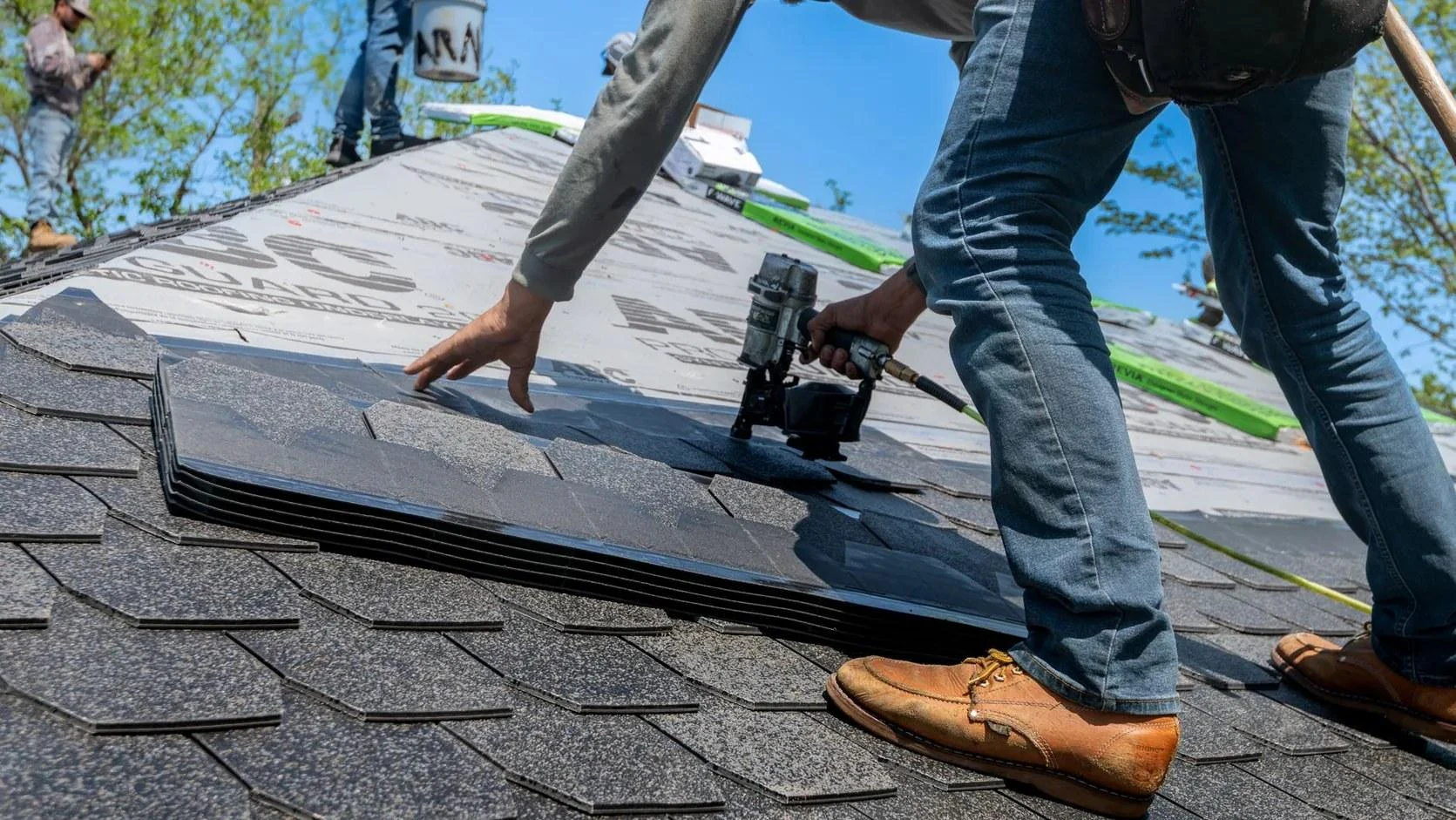
Asphalt shingles are the most common and affordable option, costing about $3.50 to $5.50 per square foot, including labor. They are easy to install and available in many colors, so you can match your home’s style without extra expense. The typical lifespan of asphalt shingles is 15 to 20 years, which is adequate for most homeowners.
In hot climates, asphalt shingles with a heat‑reflective coating can cut cooling bills by 5–10% over a decade.
Best for: Budget-conscious homeowners who want a quick, reliable solution.
2. Shop for Competitive Bids
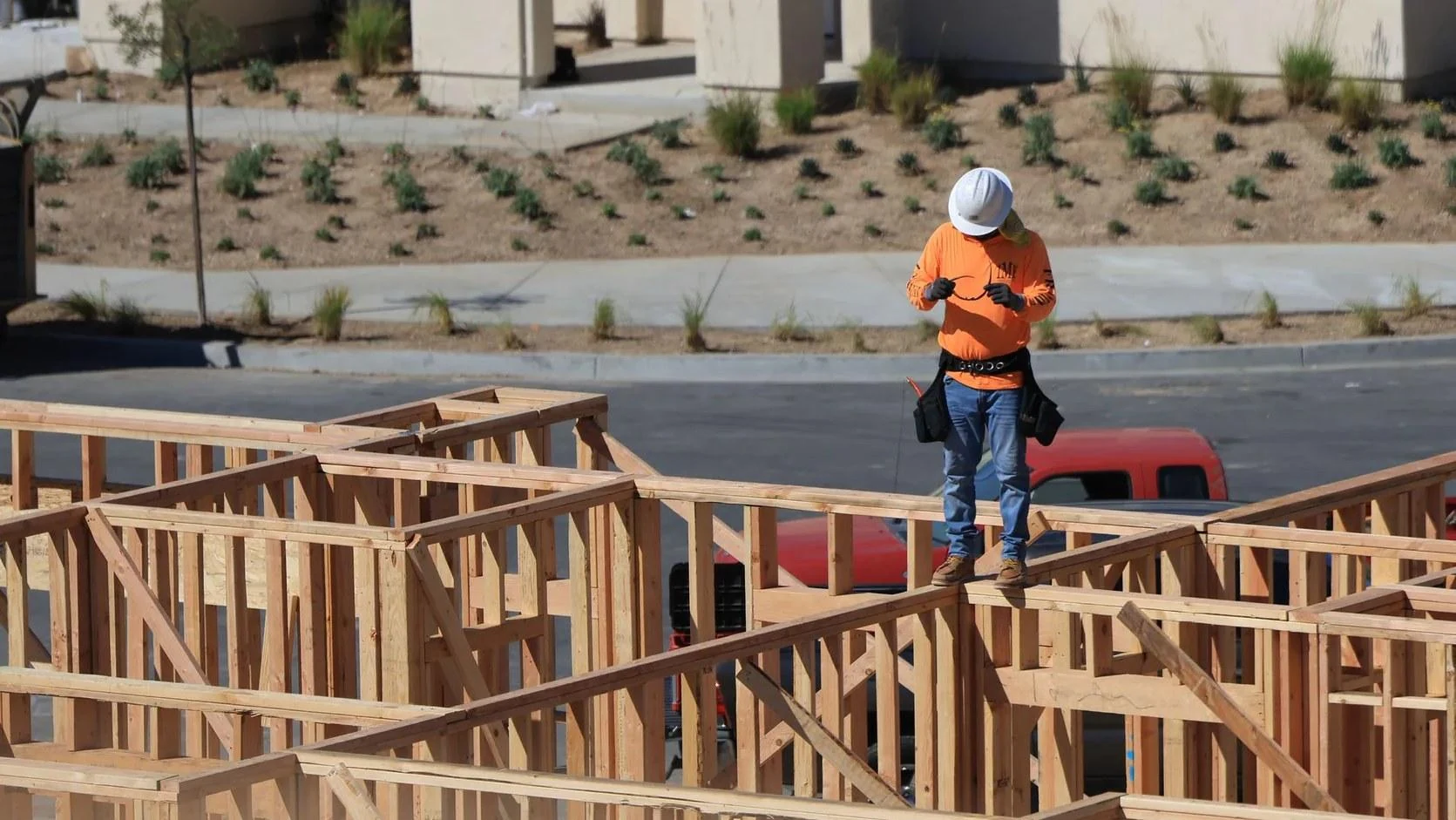
Request at least three bids from licensed contractors to compare prices and services. Ask each contractor to provide a detailed estimate that lists materials, labor, and any additional fees. You can often negotiate a better rate if you’re flexible with the start date or choose a contractor who offers a price match guarantee.
Use a local trade association to verify a contractor’s credentials; members often receive discounted tools and supplies, lowering the final cost.
Best for: Homeowners who prefer professional installation and want to avoid hidden costs.
3. Use AI Roof Assessments
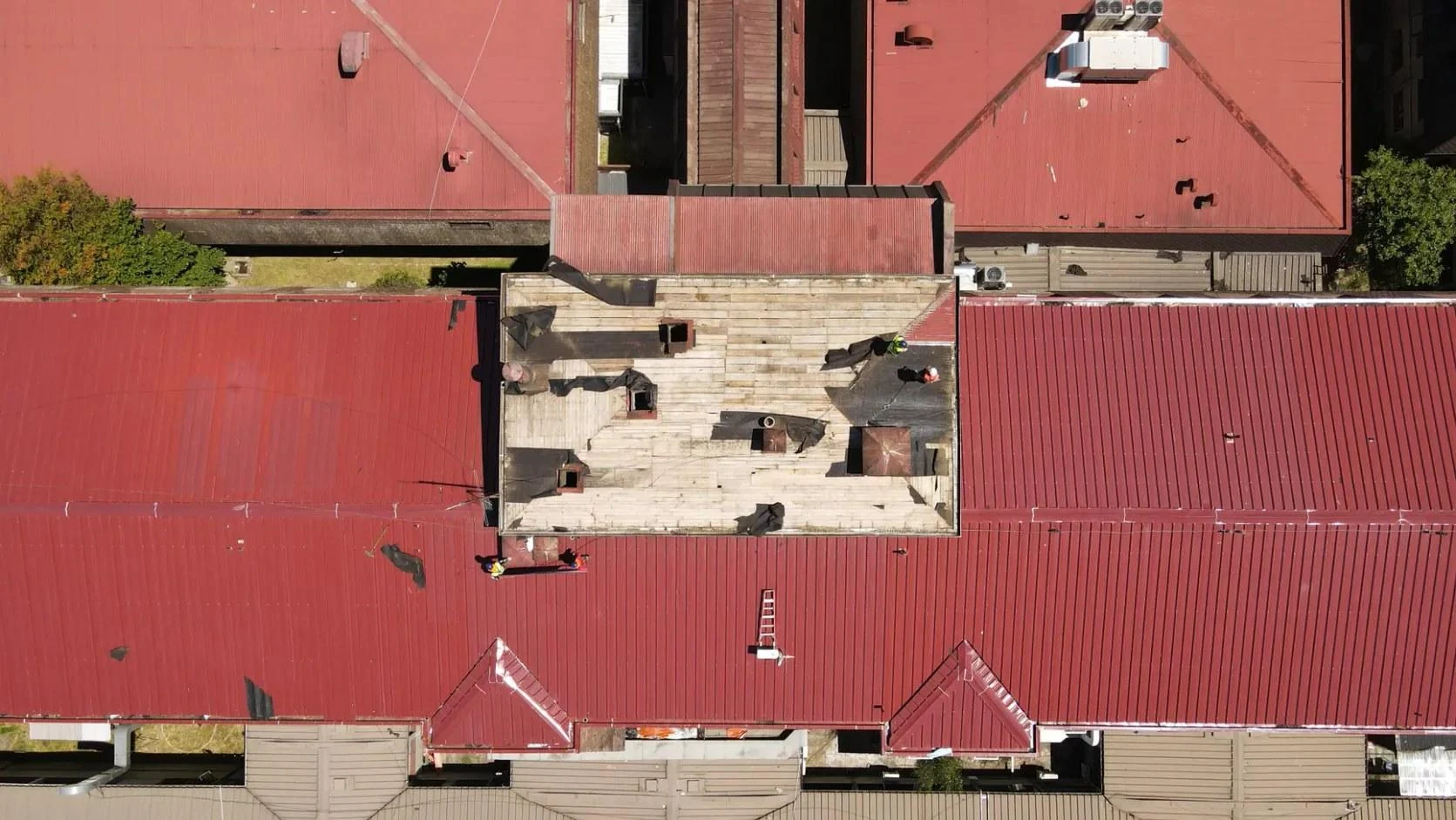
Modern technology can help you spot roof problems early. An AI‑driven drone survey can identify weak spots, leaks, and material wear in a fraction of the time a manual inspection takes. [1] This data can guide you to replace only the damaged sections, saving money and extending the life of the rest of the roof.
Some AI tools flag roof damage before it leaks, allowing you to replace only the affected panels and save 15–20% of the total price.
Best for: Tech-savvy homeowners who want precise data before committing to a full replacement.
Comparison of Roof Replacement Options
Here’s a side‑by‑side look at the three main options, including cost, lifespan, effort, and who they suit best.
Comparison of Roof Replacement Options
| Option | Average Cost ($) | Lifespan (Years) | Effort | Best For |
|---|---|---|---|---|
| Asphalt Shingles | 5,000–7,500 | 15–20 | Low | Budget homeowners |
| Competitive Bids | 6,000–9,000 | 20–25 | Medium | Those who want professional help |
| AI Roof Assessments | 4,500–6,500 | 15–20 | High (tech setup) | Tech-savvy homeowners |
Costs are averages for a 1,500 sq ft roof in the U.S. Lifespan estimates are based on typical material performance. Effort levels reflect the homeowner’s involvement.
Expert Insight: A seasoned roofing contractor notes that the biggest savings often come from a well‑timed project and a clear, detailed estimate that leaves no hidden fees.
Additional Tips to Save on Roof Replacement
Time Your Project Right
Schedule the replacement during the late summer or early fall when contractors have more availability. Labor rates can drop by 10–15%, and you’ll avoid the high demand of winter.
Consider a Partial Replacement
If only a section of the roof is damaged, replace that part instead of the whole roof. [2] This can cut costs by up to 30% and still keep your home protected.
Check Warranty Options
Many manufacturers offer a 20–30 year warranty on shingles. A longer warranty can reduce future repair costs and add peace of mind.
Ask About Financing
Some contractors offer low‑interest financing plans. Even a small monthly payment can make a big project more affordable.
Keep an Eye on Energy Bills
Modern shingles can reduce cooling costs by reflecting heat. [3] Over time, this can offset part of the installation cost.

Pro Tip: Always verify that any contractor you hire is licensed, insured, and has positive reviews. A reputable contractor will give you a clear written estimate and explain each line item.
Conclusion
Saving money on roof replacement is possible with careful planning, smart material choices, and a willingness to shop around. By using these strategies, you can protect your home without breaking the bank. Remember that a well‑chosen roof will serve you for many years, giving you both peace of mind and financial stability.
Frequently Asked Questions
In the U.S., the average cost ranges from $5,000 to $10,000, depending on size, material, and labor.
Typical roof lifespans vary: asphalt shingles last 15–20 years, while premium materials can reach 30 years.
While DIY roof replacement is possible, it requires skill, proper safety equipment, and local permits. Many homeowners find professional help more reliable.
Yes, many contractors offer low‑interest financing or payment plans that can spread the cost over several months.
Yes, upgrading insulation at the same time can boost energy savings and may qualify for local rebates.
References
CoatingsPro (2019). Leaky School Roof Gets Long-Term, Money-Saving Solution. https://doi.org/10.5006/cp2019_19_5-52
CoatingsPro (2007). Miami Stopover: Coatings Crew Tackles Leaky Terminal Roof. https://doi.org/10.5006/cp2007_7_4-58
Frontiers in Built Environment (2022). Automatic assessment of roofs conditions using artificial intelligence (AI) and unmanned aerial vehicles (UAVs). https://doi.org/10.3389/fbuil.2022.1026225
Subscribe to our newsletter
Our bi-weekly newsletter full of inspiration, podcast, trend and news.