Flooring • 2026-11-16
How to Save Money on New Flooring: Top 5 Tips
Flooring quotes can climb fast, but a beautiful new floor doesn’t have to break your budget. This guide shows how choosing mid-range materials, booking installers in the off-season, and keeping patterns simple can lower your total cost.
Compare LVP, engineered wood, hardwood, and tile by price and lifespan to find the best value for each room. You’ll also get practical tips on local suppliers, subfloor prep, reclaimed materials, and getting itemized quotes to avoid hidden fees.
Subscribe to our newsletter
Our bi-weekly newsletter full of inspiration, podcast, trend and news.
How to Save Money on New Flooring: Top 5 Tips
You have a budget in mind, but the price quotes for new floors seem to keep climbing. Understanding how to save money on new flooring is the first step to keeping your project on track.
Many homeowners overspend by choosing materials that are too expensive for their room or hiring contractors without comparing options. This guide breaks down practical ways to reduce costs while still achieving a beautiful result.
Quick Answer: You can often save money by choosing mid-range materials like luxury vinyl plank instead of hardwood. Scheduling work in the off-season, usually late fall or winter, can also lower labor rates. Finally, choosing a simple pattern or color often reduces waste and installation time.
What Is How to Save Money on New Flooring?
How to save money on new flooring is the practice of reducing costs through material choice, timing, and labor negotiation. It includes selecting durable mid-range options, scheduling work in off-peak seasons, and minimizing waste through simple designs. It is for any homeowner looking to complete a flooring project without exceeding their budget.
Three Ways to Lower Your Flooring Budget
The biggest savings come from material selection, labor timing, and scope reduction. Each of these areas offers room to negotiate or adjust without hurting the final quality.
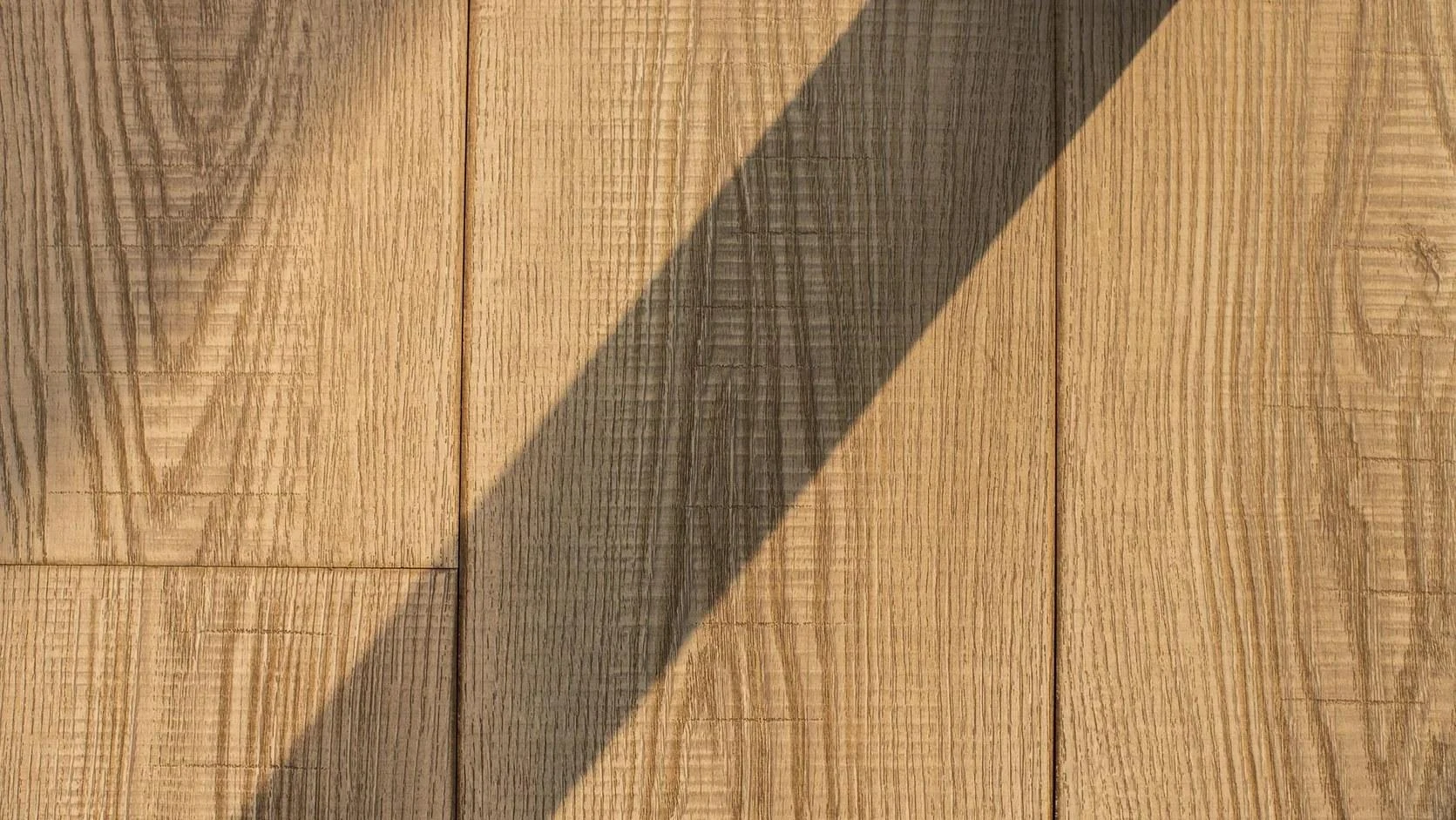
1. Choose Durable Mid-Range Materials
Luxury vinyl plank (LVP) and engineered wood often cost less than solid hardwood, but the exact percentage is unclear. These materials mimic the look of premium wood but resist moisture and scratches better. A standard LVP floor might cost around $3 to $7 per square foot for materials, while hardwood can cost around $8 to $15 per square foot.
Durability matters because a floor that lasts 20 years costs less over time than a cheap option that fails in five. Check the warranty length and the water resistance rating. If you have pets or children, the extra durability of mid-range options pays for itself quickly.
Best for: Homeowners who want a modern look with higher resistance to wear and tear.
2. Time Your Installation Right
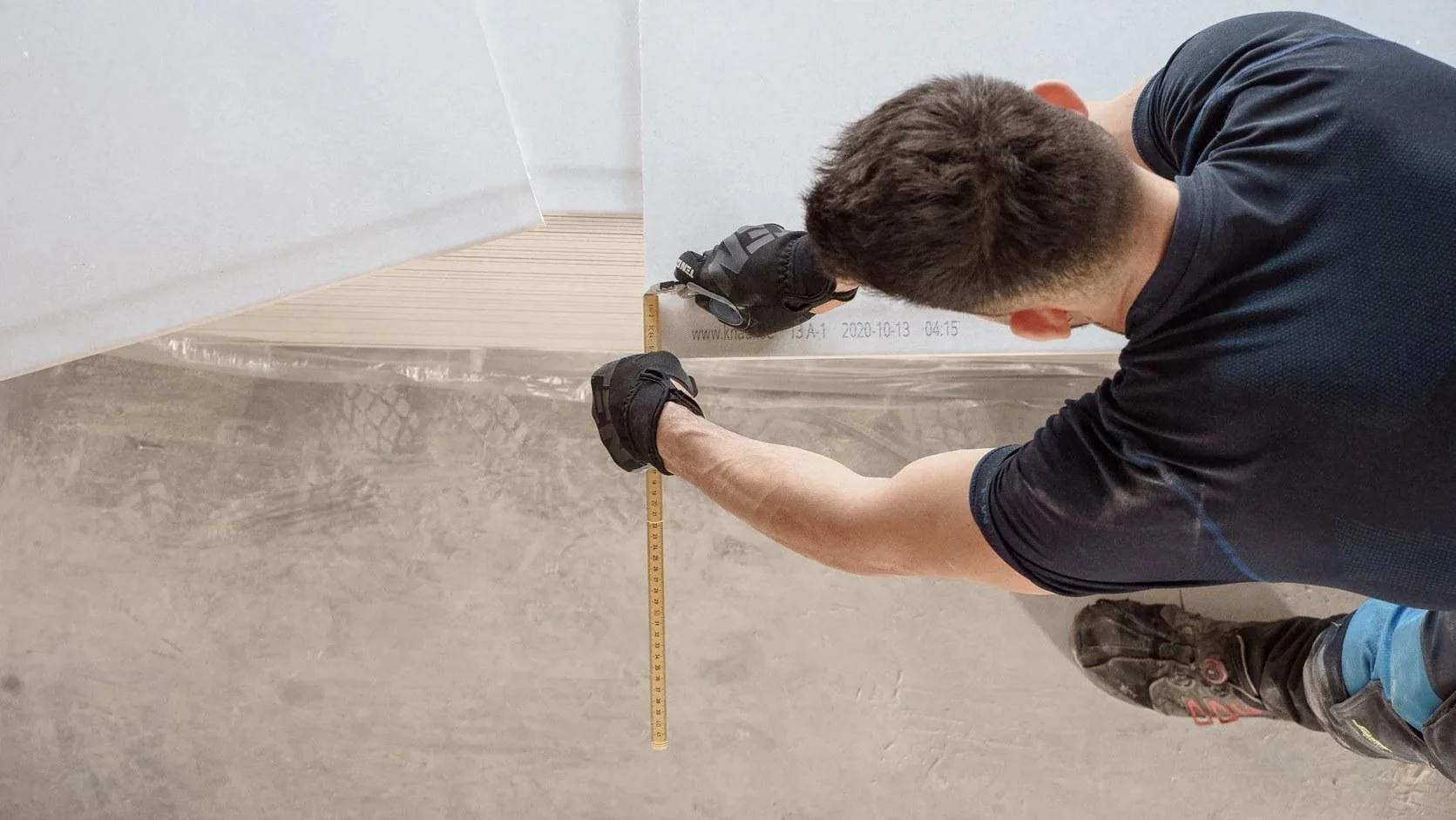
Contractors often have lower demand in late fall and winter. You may be able to negotiate a discount on labor during certain months, but the exact percentage is unclear. It is a good idea to call three local installers in November to compare their availability and pricing.
Avoid booking during peak seasons like spring and early summer. Demand is high, and workers charge more to fill their schedules. If your timeline is flexible, waiting a few months can save you several hundred dollars on labor alone.
Best for: Flexible homeowners who are not rushing to finish the project by a specific date.
3. Reduce Waste With Simple Patterns
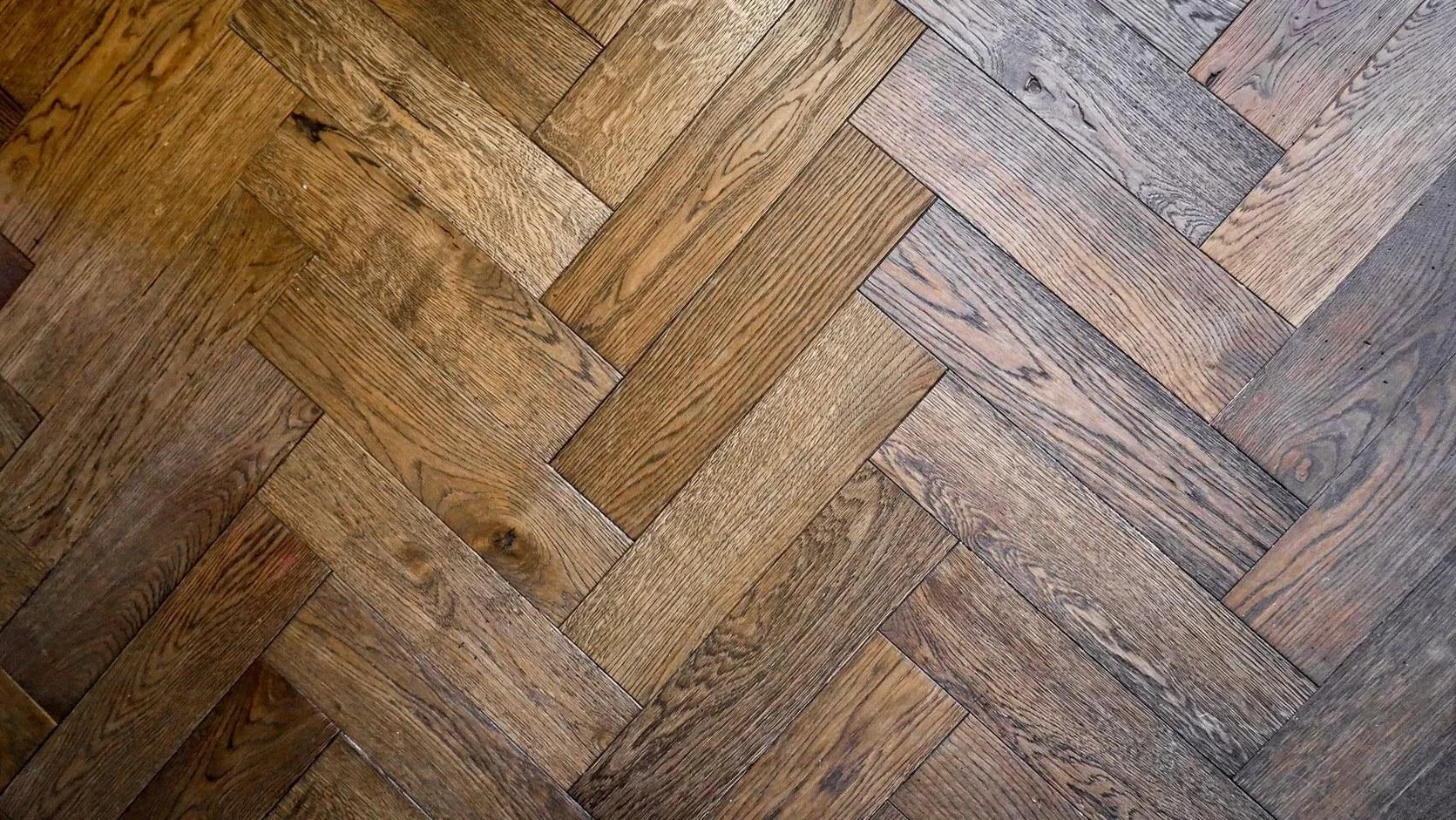
Complex patterns like herringbone or chevron require more cuts and create more scrap material. A standard straight-lay pattern wastes less material and installs faster. This can potentially save you money on material costs and reduce labor hours, but the exact percentage is unclear.
Also, keep the room dimensions simple. Avoid using multiple colors or textures in one small room. A single, consistent look is cheaper to buy and easier to install. You can always add visual interest with rugs or area carpets later.
Best for: Budget-conscious buyers who want a clean, classic look without extra complexity.
Cost Comparison: Common Flooring Options
The numbers below show typical material costs per square foot. Labor costs are not included and vary by region.
Cost Comparison: Common Flooring Options
| Material | Cost Per Sq Ft | Lifespan | Best For |
|---|---|---|---|
| Luxury Vinyl Plank | $3 - $7 | 15 - 25 years | High traffic areas |
| Engineered Wood | $5 - $10 | 20 - 30 years | Living rooms |
| Solid Hardwood | $8 - $15 | 25 - 50 years | Premium spaces |
| Ceramic Tile | $3 - $8 | 50+ years | Kitchens and baths |
Figures are national averages for materials only and do not include installation or removal fees.
Expert Insight: I have seen many projects go over budget because homeowners chose a trendy pattern that was hard to install. Stick to what you love, but always ask for a detailed quote that includes all potential fees.
Additional Tips for Saving
Buy From Local Suppliers
Local stores may offer competitive prices to beat online giants. They can also provide free delivery within a certain radius. Ask about current promotions or clearance items on overstocked materials.
Keep Your Subfloor Clean
A clean and level subfloor prevents future issues like creaking or bowing. It also allows for faster installation. Ask your contractor to inspect the subfloor before starting to avoid hidden repair costs. [1]
Use Existing Furniture
Moving furniture requires labor and time. If you have heavy pieces, consider hiring movers separately or selling them before the install. This keeps the flooring crew focused and efficient.
Check for Reclaimed Options
Reclaimed wood or tiles can be unique and affordable. They often have a lower environmental impact. [2] Verify the structural integrity before purchasing to ensure safety and longevity.
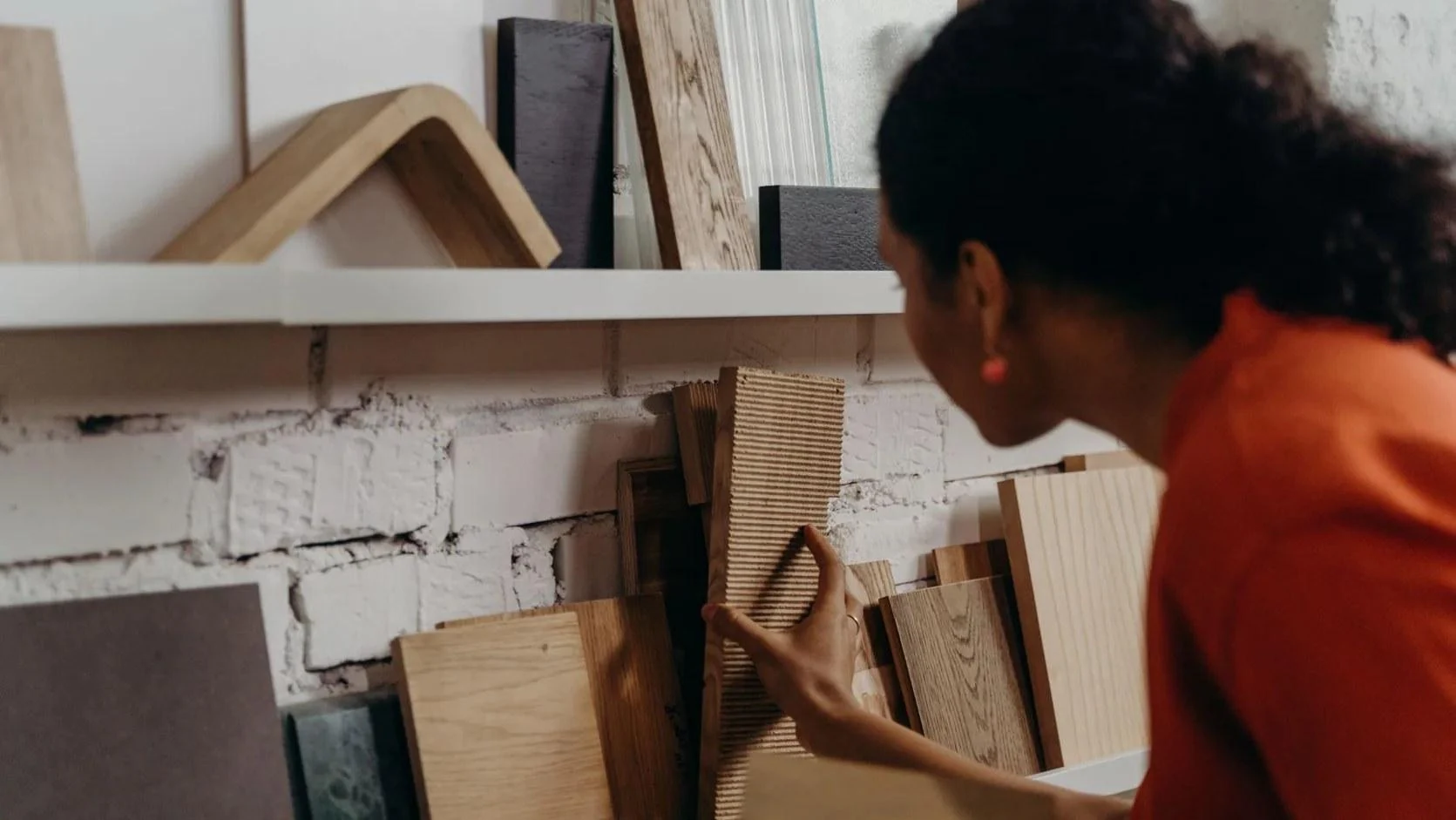
Pro Tip: Always get three written quotes that itemize materials, labor, and disposal fees. This makes it easier to spot hidden charges and compare apples to apples.
Conclusion
Saving on flooring is about making smart choices at every stage. From material selection to timing and pattern simplicity, small decisions add up to big savings. [3]
By focusing on durability and efficiency, you get a floor that looks great and lasts for years. Take the time to research and compare options before you sign a contract.
Frequently Asked Questions
Yes, labor costs are often lower in winter because demand is lower. You may find discounts of 10 to 15 percent from contractors.
Sometimes, but it depends on the thickness and condition of the old floor. Many contractors recommend removing the old layer to ensure a level surface.
Luxury vinyl plank is often the most cost-effective for high-traffic areas. It offers a good balance of price, durability, and aesthetic appeal.
Removal and disposal typically cost around $1 to $3 per square foot. This varies based on the type of material and local waste fees.
References
CoatingsPro (2015). How a “Job Walk” Can Help Save You Money. https://doi.org/10.5006/cp2015_15_2-20
U.S. Environmental Protection Agency. Sustainable Management of Construction and Demolition Materials. https://www.epa.gov/smm/sustainable-management-construction-and-demolition-materials
Federal Trade Commission, Consumer Advice. Hiring a Contractor. https://consumer.ftc.gov/articles/hiring-contractor
Subscribe to our newsletter
Our bi-weekly newsletter full of inspiration, podcast, trend and news.