Bathroom • 2026-11-09
How to Save Money on a Bathroom Remodel: Quick Cost‑Cutting Tips
A bathroom remodel doesn’t have to drain your savings. This guide shows how standard fixtures, simple DIY painting, and well-timed sale shopping can help keep your project under $5,000 without sacrificing quality.
Discover extra ways to cut costs, from reclaimed tiles and modular vanities to low-flow showerheads and comparing contractor quotes. You’ll also learn how to spot hidden costs early so your remodel stays on budget from start to finish.
Subscribe to our newsletter
Our bi-weekly newsletter full of inspiration, podcast, trend and news.
How to Save Money on a Bathroom Remodel: Quick Cost‑Cutting Tips
How to save money on a bathroom remodel can feel overwhelming when you see a price tag that looks too high. You want a fresh look, but you also want to keep the budget realistic. This guide shows you clear ways to cut costs while still getting a quality finish.
Quick Answer: You can keep a bathroom remodel under $5,000 by choosing mid‑range fixtures, doing some DIY, and shopping smart. Expect a 2‑4 week project if you work with a contractor for major plumbing and electrical changes. The average cost for a full remodel is often cited, but careful planning can help reduce that to a lower range.
What Is How To Save Money On A Bathroom Remodel?
How to save money on a bathroom remodel is the process of reducing costs while maintaining quality. It includes choosing affordable fixtures, doing some labor yourself, and timing purchases to take advantage of sales.
Three Key Ways to Cut Remodel Costs
Each strategy focuses on a different part of the project: materials, labor, and design choices. Pick the one that fits your budget and skill level.
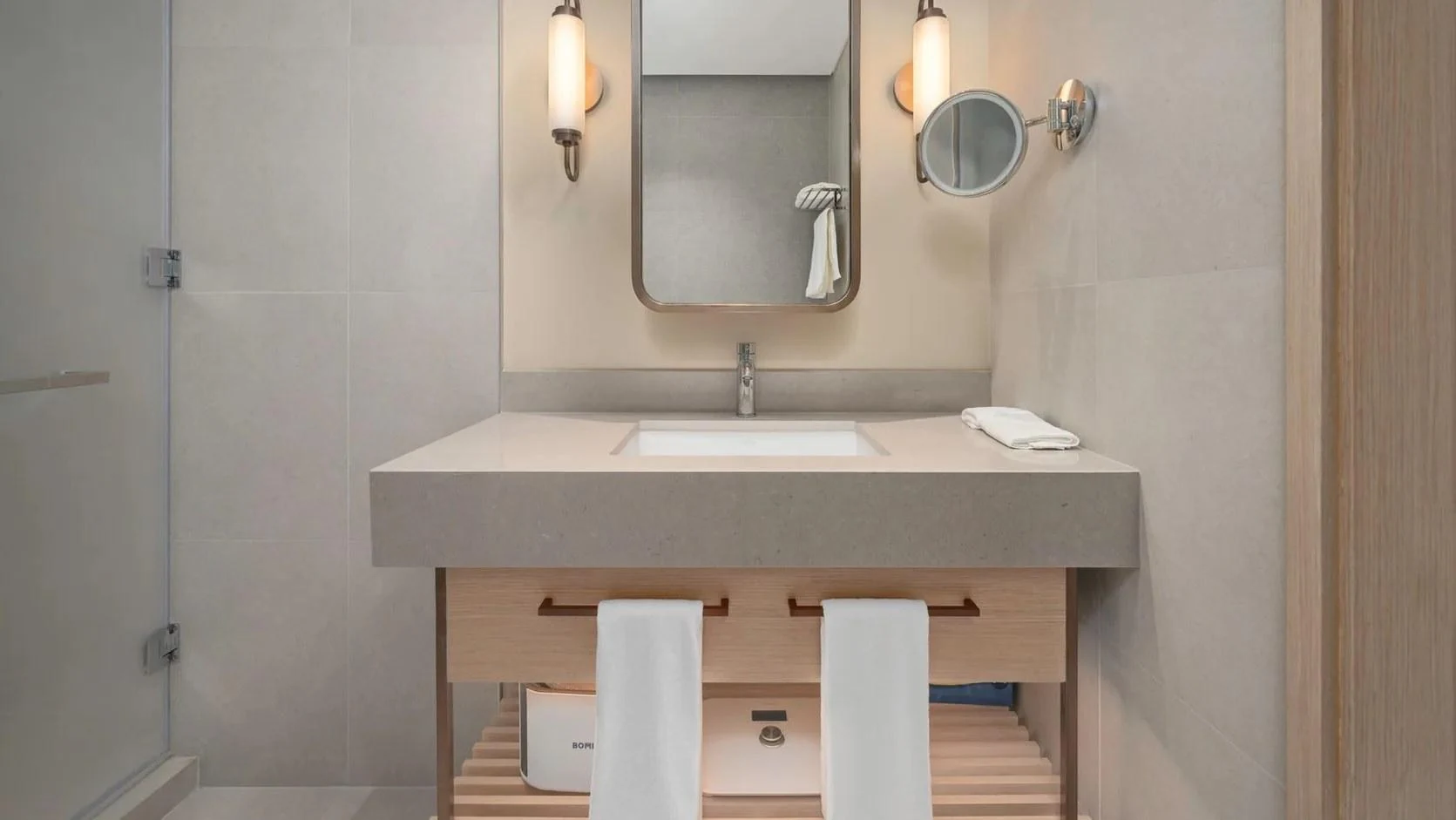
1. Choose Standard Fixtures
Standard fixtures are often cheaper than custom ones. A basic vanity can cost a certain amount, while a custom piece might run higher. Stick to the standard size and finish to avoid extra cutting and fitting costs.
Best for: Homeowners who want a quick, cost‑effective update.
2. Do the Painting Yourself
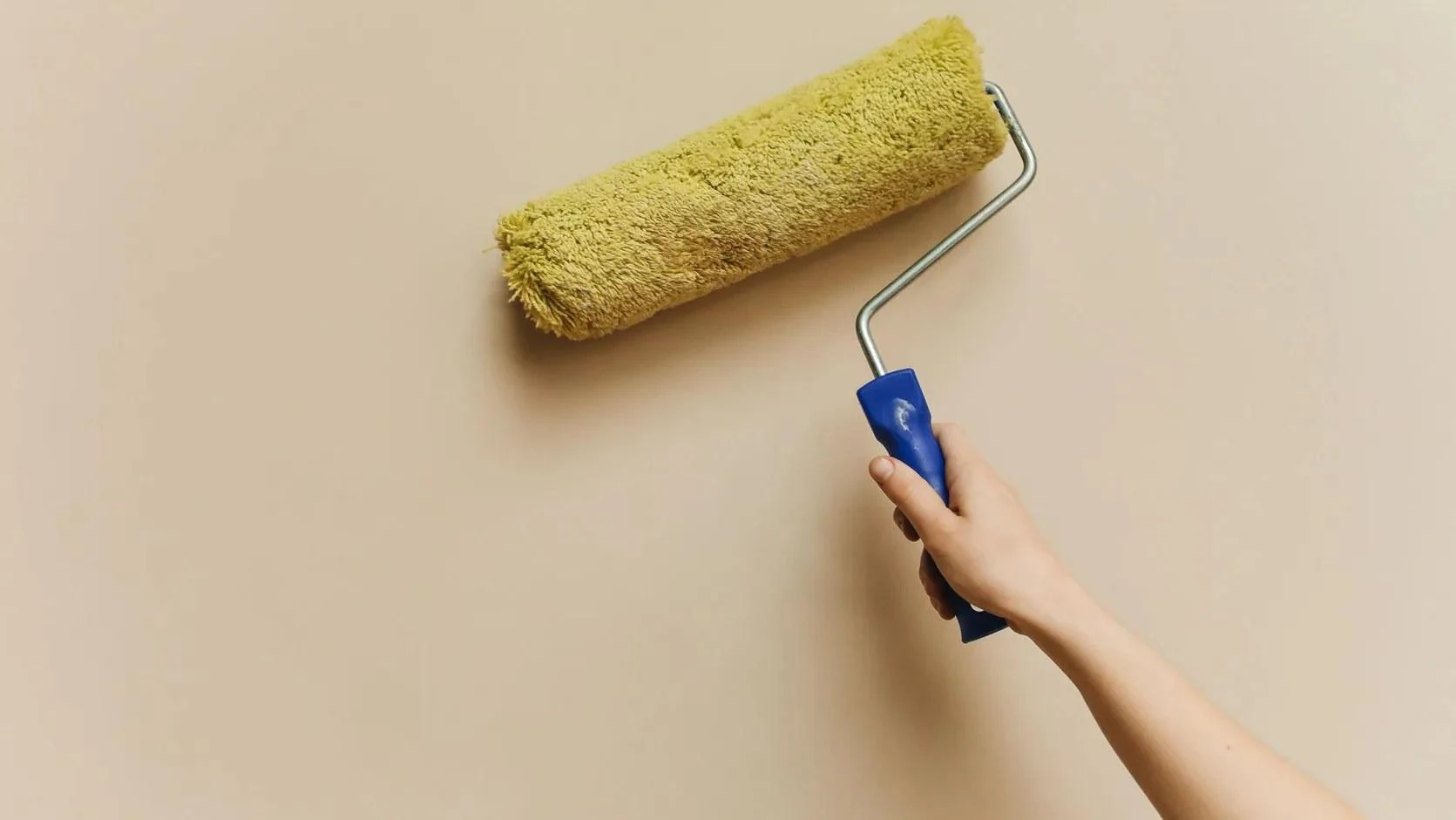
Painting is a simple DIY that saves money on labor. [3] A gallon of paint costs $25–$35, and a 10‑square‑foot bathroom needs roughly two gallons. Use a high‑quality primer and paint to avoid rework.
Best for: DIY enthusiasts with basic painting skills.
3. Shop During Sales
Many hardware stores offer end‑of‑season sales that drop prices. Look for clearance bins for tiles and cabinets. Timing your purchase can save you $1,000–$1,500 on materials.
Best for: Shoppers who can wait for the right sales window.

Cost vs. Effort Comparison
Below is a quick snapshot of the three strategies, showing typical costs, lifespan, effort level, and who they suit best.
Cost vs. Effort Comparison
| Option | Typical Cost | Lifespan | Effort | Best For |
|---|---|---|---|---|
| Standard Fixtures | $300–$600 | 10–15 years | Low | Budget buyers |
| DIY Painting | $50–$70 | 10–12 years | Medium | DIYers |
| Sale Shopping | $1,000–$1,500 | 10–15 years | Low | Price-savvy shoppers |
Figures are based on average retail prices and typical usage. Labor estimates assume a 2‑week project.
Expert Insight: A seasoned contractor notes that the biggest savings often come from small, smart choices—like using a standard sink or painting the walls yourself—rather than from large, costly upgrades.
Additional Cost‑Saving Ideas
Use Reclaimed Materials
Reclaimed wood or recycled tiles can add character and reduce costs by up to 25% compared to new materials.
When sourcing reclaimed wood, look for boards with natural knots and grain patterns. These pieces often come from old barns or warehouses and can cost 30–50% less than new lumber. For example, a reclaimed cedar baseboard might be $0.80 per linear foot versus $1.50 for a new one.
Reclaimed tiles are another option. You can find ceramic or porcelain tiles that have been salvaged from demolished buildings. A set of 12 reclaimed tiles can cost $120, compared to $200 for a new set. The key is to check for cracks or chips; minor imperfections add character without compromising durability.
Install a Low‑Flow Shower
A low‑flow showerhead saves water and can cut utility bills over a year. [1]
Skip the Light Fixture Upgrade
If your current fixture is functional, keeping it can save $200–$400 in replacement costs.
Plan for Future Upgrades
Choose modular components that can be upgraded later, spreading the cost over time. [3]
Modular vanities allow you to add drawers or a countertop later without replacing the entire unit. A basic modular vanity starts at $400; adding a top layer later can cost another $150. This staged approach spreads the cost over years.
Similarly, choose a tub with a removable shell. You can upgrade the shell in the future for a fresh look while keeping the base frame. The initial shell might be $600, with future upgrades around $300.
Ask for Multiple Quotes
Getting three contractor quotes can reveal a 10–20% price difference, ensuring you pay a fair rate.
When reviewing quotes, compare the cost of materials versus labor. A contractor who charges $150 per hour might offer lower material prices, but a higher hourly rate can push the total cost up. Look for a breakdown that shows $200 for fixtures, $800 for labor, and $300 for permits.
Also ask if the quote includes a contingency allowance. [2] A 10% contingency can cover unforeseen issues like hidden mold or pipe replacement. Contractors who omit this may cut corners, leading to surprise costs later.

Pro Tip: When hiring a contractor, ask for a detailed written estimate that separates labor, materials, and permits.[2] A clear contract protects you from unexpected cost overruns.
Choose a Budget‑Friendly Tile Pattern
Tile patterns can affect cost. A simple 1×1 square tile is cheaper than a 6×6 mosaic. For a 10‑square‑foot bathroom, a 1×1 tile set might cost $200, while a mosaic set could reach $400. Stick to a single, flat pattern to reduce grout lines and labor time.
Conclusion
Saving money on a bathroom remodel is about smart choices, not cutting corners. By selecting standard fixtures, doing simple DIY tasks, and timing your purchases, you can stay within budget while still achieving a fresh look.
Take the time to plan, compare prices, and measure carefully. A well‑budgeted remodel can add value to your home and give you peace of mind.
Frequently Asked Questions
It is possible with careful planning. Choose mid-range standard fixtures, do simple jobs like painting yourself, and buy tile and cabinets during sales. Leave major plumbing and electrical work to a contractor, and expect the project to take about two to four weeks.
Painting is the easiest place to start because it needs few specialist skills and saves on labor. Complex plumbing, electrical, and tiling jobs are better left to professionals so mistakes do not add costs later.
Aim for about three quotes, and ask each contractor for an itemized written estimate that separates labor, materials, and permits. Also check whether the quote includes a contingency allowance, since a buffer of 10% or more can cover surprises such as hidden mold or pipe replacement.
Yes, it is a low-cost upgrade. The EPA estimates that replacing just one showerhead with a WaterSense labeled model saves the average family about 2,700 gallons of water and more than $75 in energy and water costs every year.
References
U.S. Environmental Protection Agency (n.d.). WaterSense: Shower Better. https://epa.gov/watersense/shower-better
Mr. Handyman (n.d.). Hidden Costs of Bathroom Remodeling and How to Avoid Them. https://www.mrhandyman.com/brandon-valrico-plant-city/about-us/ask-a-pro/hidden-costs-bathroom-remodeling-and-how-to-avoid-them
Elegant Kitchen & Bath (n.d.). Financial Approaches to a Bathroom Remodel. https://www.elegantkitchenbath.com/financial-approaches-to-a-bathroom-remodel/
Subscribe to our newsletter
Our bi-weekly newsletter full of inspiration, podcast, trend and news.