Flooring • 2026-11-24
Flooring Installation Cost Savings Tips: 7 Smart Ways to Pay Less
Installation, tear-out, furniture moving, and subfloor prep can make a flooring estimate far higher than the floor itself. This guide shows where your flooring installation money goes and seven practical ways to pay less without cutting corners.
See typical costs for labor, removal, and leveling in USD and PKR, plus tips on comparing estimates, doing your own prep, installing over the old floor, choosing faster-install floors, bundling rooms, and protecting your money with the right paperwork.
Subscribe to our newsletter
Our bi-weekly newsletter full of inspiration, podcast, trend and news.
Flooring Installation Cost Savings Tips: 7 Smart Ways to Pay Less
You picked the perfect floor, then the estimate arrived and the labor line was almost as big as the material line. That surprise is common. Installation, old floor removal, furniture moving, and subfloor prep can add up fast, and many homeowners never realize how much of that cost they can control. The tips below show where the money goes and how to trim it without cutting corners on the work that keeps your new floor flat, quiet, and long-lasting.
Quick Answer: The biggest flooring installation savings come from comparing at least three written estimates, moving furniture and pulling up old carpet yourself, installing over the existing floor when it is safe, and choosing click-lock vinyl or laminate, which often costs about $1–$4 per square foot to install (PKR 280–1,120) versus $10–$15 (PKR 2,800–4,200) for detailed tile work. Together, these steps can cut hundreds of dollars from a typical room.
Where Your Flooring Installation Money Goes
Before you can save, it helps to see what you are paying for. Most flooring estimates combine several jobs into one number. Here is how the common line items break down and where you have room to save.
Where Your Flooring Installation Money Goes
| Cost Item | Typical Cost | How to Save |
|---|---|---|
| Installation labor | $1–$4 per sq ft for click-lock floors (PKR 280–1,120); more for tile and patterns | Choose a floor that installs quickly and a simple layout |
| Old floor removal | $1.50–$3.50 per sq ft (PKR 420–980); tile up to $7 (PKR 1,960) | Remove carpet yourself or install over the old floor |
| Furniture moving | $60–$120 per hour (PKR 16,800–33,600) | Empty the room before the crew arrives |
| Subfloor leveling | $2–$8 per sq ft (PKR 560–2,240) | Ask for a moisture and flatness check before you buy |
| Materials and waste | Usually 10% extra for cuts | Measure carefully and buy during sales |
Costs are typical U.S. ranges for residential projects and vary by region, material, and the condition of your home. PKR figures are converted at about PKR 280 per $1.
7 Flooring Installation Cost Savings Tips
1. Get at Least Three Written Estimates
Prices for the same job can vary by hundreds or even thousands of dollars. Ask at least three local flooring pros for written estimates that list the work, the materials, the start and finish dates, and the price. Don't pick the lowest number by default. If one estimate is much cheaper, ask why, because it may leave out removal, trim, or subfloor prep[1]. An easy way to line up several pros is to submit your flooring project on Renovize Home and let them reach out to you.
2. Do the Prep Work Yourself
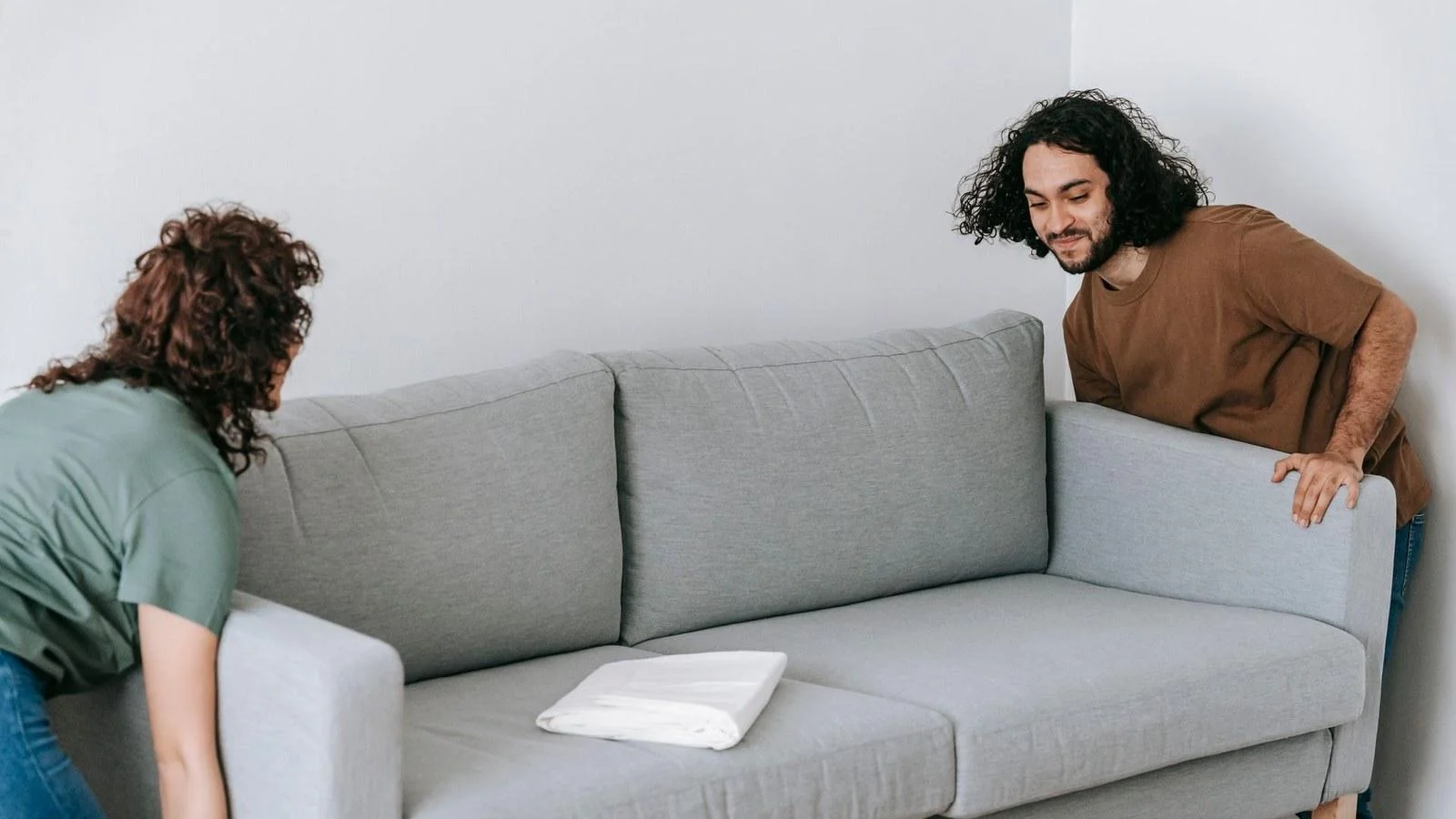
Crews often bill extra for moving furniture, usually about $60–$120 per hour (PKR 16,800–33,600). Clearing the room yourself, taking down curtains, and unplugging electronics the day before can save an hour or two of paid labor. If you are replacing carpet, pulling up the carpet and pad yourself can save about $0.70–$1.60 per square foot (PKR 196–448), or roughly $200–$480 (PKR 56,000–134,400) for a 300-square-foot room.
Be careful with baseboards and trim in older homes. If your home was built before 1978, the paint may contain lead, and scraping or prying painted trim can create harmful dust. Leave that part to a lead-safe certified contractor[2].
3. Install Over the Existing Floor When It's Safe
Tear-out is one of the most expensive parts of a flooring job, at about $1.50–$3.50 per square foot (PKR 420–980) and up to $7 (PKR 1,960) for ceramic tile. Floating vinyl plank and laminate can often go right over a flat, well-bonded hard floor such as old vinyl or tile, which skips removal and disposal entirely.
This only works if the old floor is flat, dry, and solidly attached, and if the added height won't cause problems at doors, cabinets, and appliances. Ask your installer to check before you plan around it.
4. Choose a Floor That Installs Faster
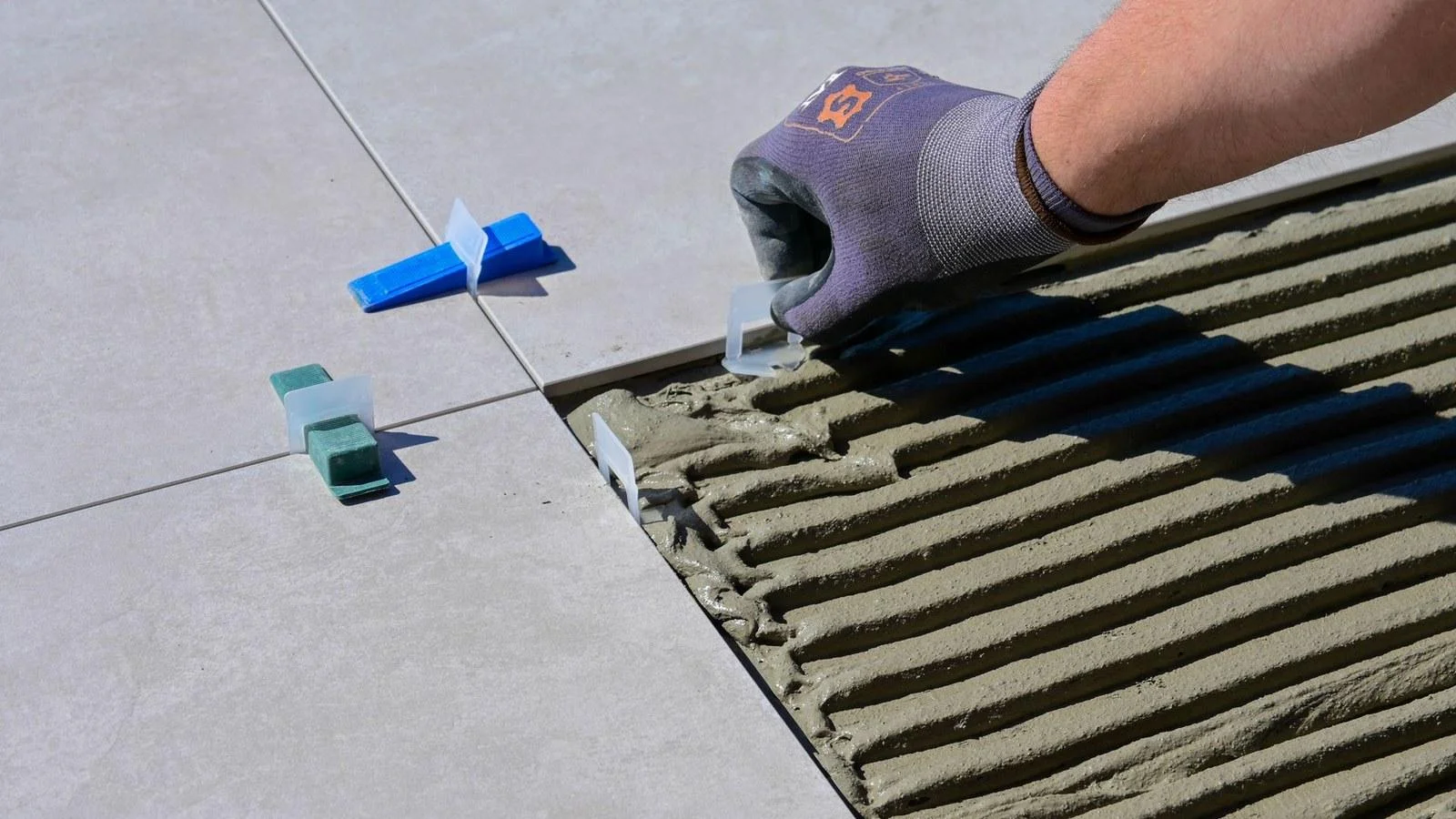
Labor is charged by time and difficulty, so the floor you choose shapes your installation bill. Click-lock luxury vinyl plank and laminate snap together and float over an underlayment, so labor often stays around $1–$4 per square foot (PKR 280–1,120). Ceramic or porcelain tile needs mortar, leveling, cutting, and grout, and detailed tile work can reach $10–$15 per square foot (PKR 2,800–4,200) in labor alone.
Layout matters too. Diagonal, herringbone, and checkerboard patterns take more cuts and more time than straight runs. A simple straight layout keeps both labor and waste lower.
Expert Insight: Installers often say the cheapest part of a floor is the material and the most expensive part is the surprise. A quick moisture test and flatness check before you order can prevent costly leveling or a failed install later, especially on Florida concrete slabs.
5. Measure Carefully and Buy Smart
Measure each room, multiply length by width, and add about 10% for cuts, or 15% for diagonal layouts. Running short means a second order, extra delivery fees, and possibly a new batch that doesn't match. Buying during holiday sales or closeouts can lower material costs. If you plan to supply the flooring yourself, ask the installer first, since some won't warranty work on materials they did not provide.
6. Bundle Rooms into One Project
Many installers have a minimum charge, so a small job often costs more per square foot than a large one. If you plan to redo several rooms, doing them together usually lowers the per-square-foot rate and cuts the number of transitions and trips. Running one floor through connected rooms also reduces the cost of transition strips and extra trim. Not sure which rooms to group together? You can talk it through anytime with Renobo, the Renovize AI assistant.
7. Protect Your Money with the Right Paperwork
Saving money also means not losing it. In Florida, you can confirm a contractor's license through the state's Department of Business and Professional Regulation licensee search[3]. Get everything in a signed contract, avoid paying the full cost up front, and hold the final payment until the job is done and you are happy with it[1].
Pro Tip: Ask every flooring pro to price the same scope: the same product, square footage, removal plan, underlayment, and trim. Only then can you see which estimate is actually the better deal, instead of comparing a full job with a bare-bones one.
Conclusion
Flooring installation doesn't have to blow your budget. Compare detailed written estimates, take on the easy prep work yourself, skip tear-out when the old floor is sound, and choose a floor and layout that go down quickly. Combine rooms when you can, and protect every dollar with a clear contract. These small choices add up to real savings on a floor you will enjoy for years.
Frequently Asked Questions
Compare at least three written estimates for the same scope, do the prep work yourself, and choose a floor that installs quickly, such as click-lock vinyl plank or laminate. Together these steps usually save the most.
Often, yes. Skipping removal can save about $1.50–$3.50 per square foot (PKR 420–980), or more for tile. The old floor must be flat, dry, and firmly attached, and the extra height must not cause problems at doors or cabinets.
Installers often charge about $60–$120 per hour (PKR 16,800–33,600) to move furniture. Clearing the room yourself can save one to a few hours of paid labor, depending on how much furniture you have.
It can lower costs if you find a good sale, but ask your installer first. Some pros will not warranty their work on materials they did not supply, and the wrong underlayment can void a product warranty.
It can. Installers tend to be busiest in spring and before the holidays. Being flexible on your start date can make it easier to schedule with the pro you prefer, and some may offer better terms during slower weeks.
References
Federal Trade Commission, Consumer Advice. How To Avoid a Home Improvement Scam. https://consumer.ftc.gov/articles/how-avoid-home-improvement-scam
U.S. Environmental Protection Agency. Lead Renovation, Repair and Painting Program. https://www.epa.gov/lead/lead-renovation-repair-and-painting-program
Florida Department of Business and Professional Regulation. Licensee Search. https://www.myfloridalicense.com/wl11.asp
Subscribe to our newsletter
Our bi-weekly newsletter full of inspiration, podcast, trend and news.