Kitchen • 2026-11-13
Energy Efficient Kitchen Appliances Savings: Cut Bills Fast
Your kitchen appliances could be quietly pushing up your electric bill every month. This guide shows how upgrading your fridge, dishwasher, and oven can cut energy use, with real cost ranges and payback times of two to five years.
You don’t need to replace everything at once to start saving. Learn how to read the EnergyGuide label, pick the right appliance size, claim local rebates, and keep your units running efficiently for years.
Subscribe to our newsletter
Our bi-weekly newsletter full of inspiration, podcast, trend and news.
Energy Efficient Kitchen Appliances Savings: Cut Bills Fast
Do you feel like your electric bill is eating up too much of your monthly budget? Many homeowners wonder if the label on a new fridge actually saves money over time.
The truth is that energy efficient kitchen appliances savings can be significant if you choose the right models. You do not need to replace everything at once to see a difference.
Quick Answer: Refrigerators and dishwashers are the biggest drivers of savings. An efficient fridge can save around 50 to 100 dollars a year compared to an older model. Payback periods usually range from two to five years, depending on your local rate.
What Is Energy Efficient Kitchen Appliances Savings?
Energy efficient kitchen appliances savings is the reduction in utility costs achieved by using appliances that consume less electricity and water. It includes the lower purchase price through rebates and the long-term operational savings. It is for any homeowner or renter looking to lower their monthly bills.
When considering energy-efficient appliances, it's important to understand the concept of lifecycle costing. This approach factors in the initial purchase price, energy consumption, and maintenance costs over the appliance's lifetime. While efficient models may have a higher upfront cost, their long-term savings can outweigh this difference.
Top Three Ways to Save
You do not need to renovate the whole kitchen to start saving. Focus on the appliances that run the most often. These three categories offer the best return on investment for most households.
1. Upgrade Your Refrigerator
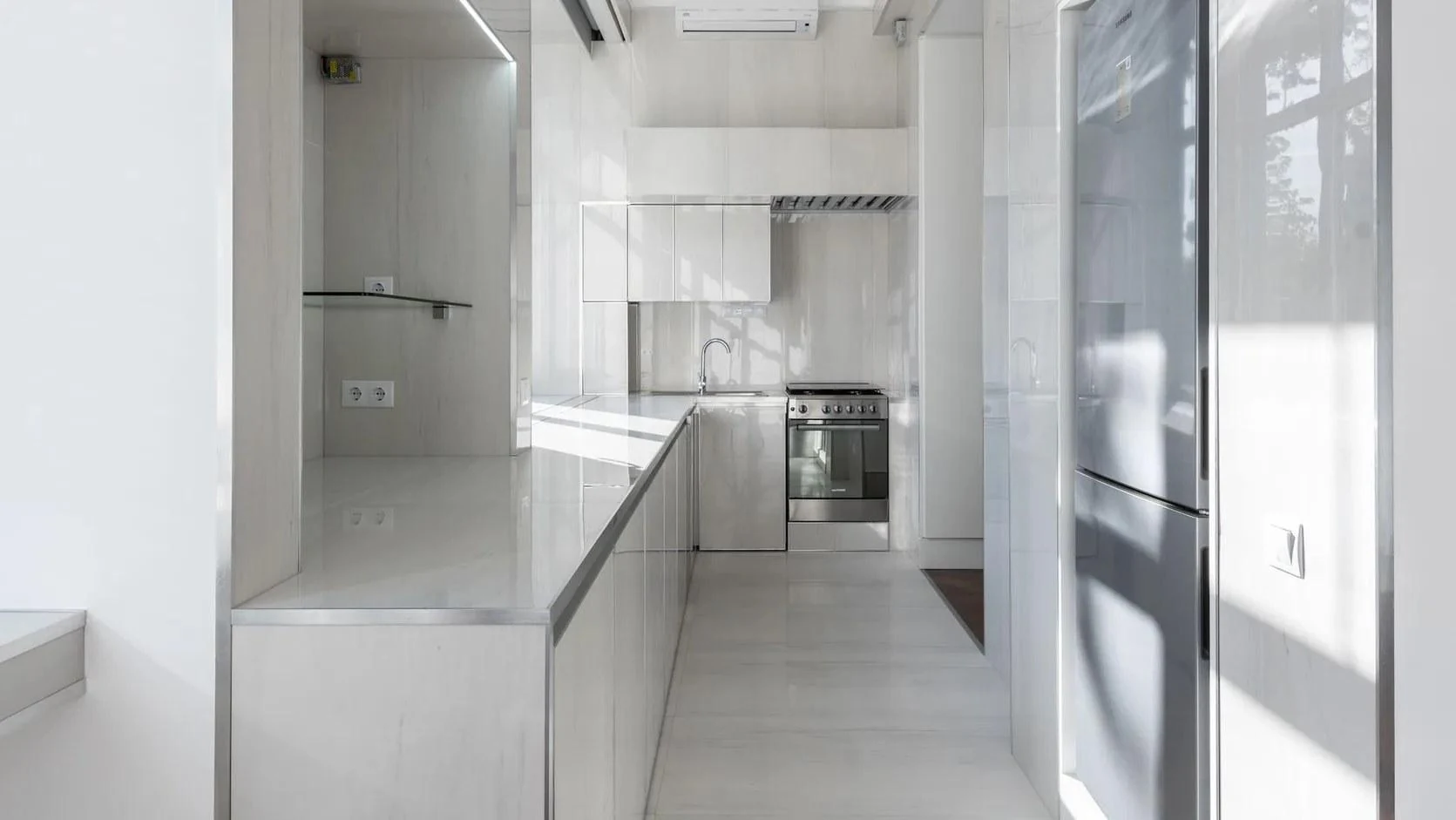
The fridge runs twenty-four hours a day, making it the largest energy user in most kitchens. Newer models use advanced compressors and better insulation to keep food cold while using less power.[1]
Additionally, consider the placement of your refrigerator. Ensure it is not near heat sources like ovens or direct sunlight, as this can increase its energy consumption. Proper ventilation around the fridge also helps maintain efficiency.
A standard top-freezer model from the last decade might use around 600 to 700 kilowatt-hours per year. A new ENERGY STAR certified model might use only around 300 to 400 kilowatt-hours. That difference adds up quickly when you multiply it by your local electricity rate.
Best for: Households with older refrigerators that have been running for more than ten years.
2. Switch Dishwashers
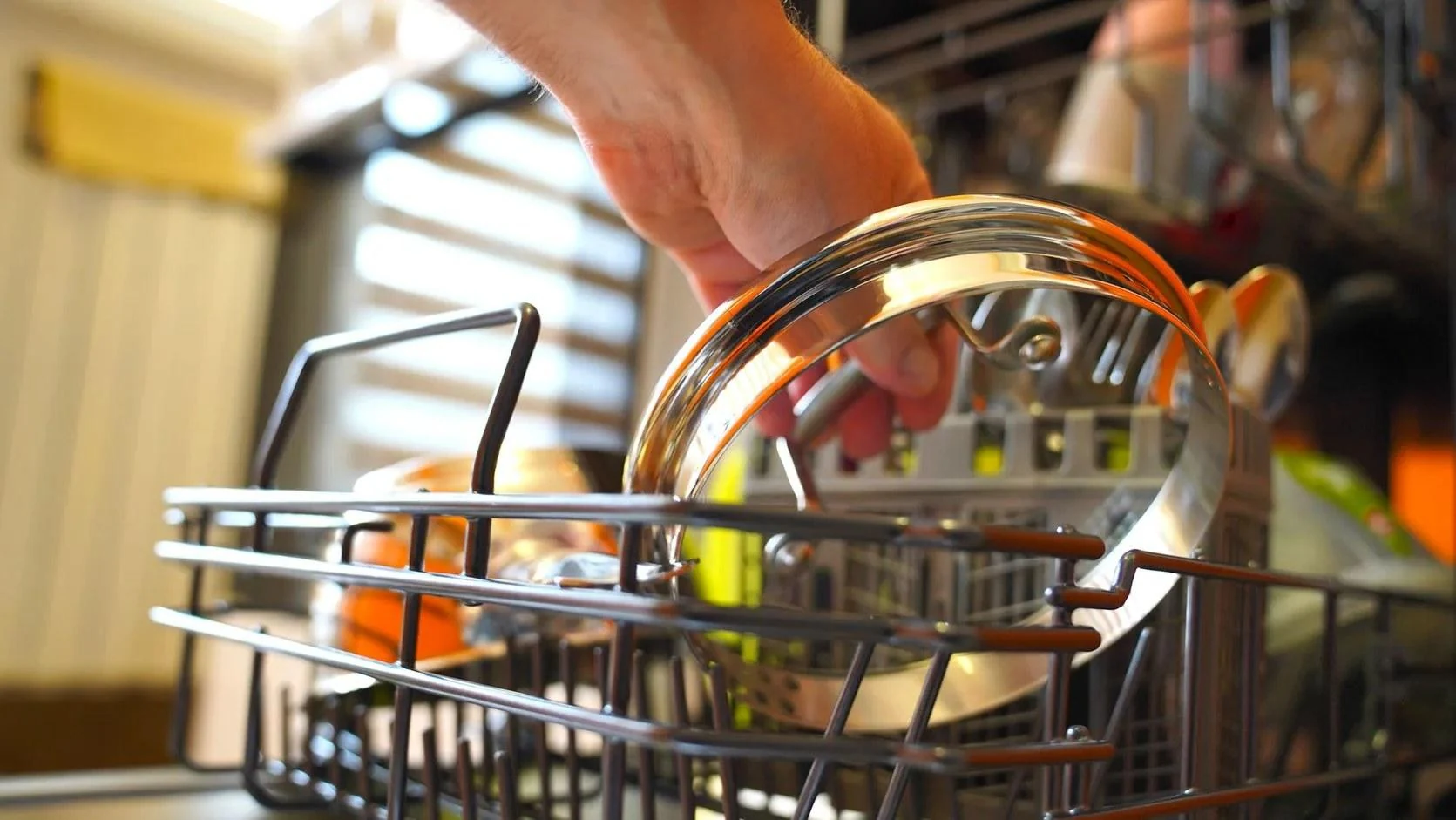
Old dishwashers use a lot of water and heat to clean dishes. Modern efficient models use sensors to adjust water usage based on how dirty the dishes are. They also heat water more efficiently.
A typical old dishwasher might use around 10 to 15 gallons per cycle. A newer efficient model can use as little as 3 to 5 gallons. If you run the machine every day, this small change saves hundreds of gallons of water and the energy needed to heat it.[1][2]
Best for: Families who run the dishwasher daily and want to reduce water waste.
3. Use Smart Ovens
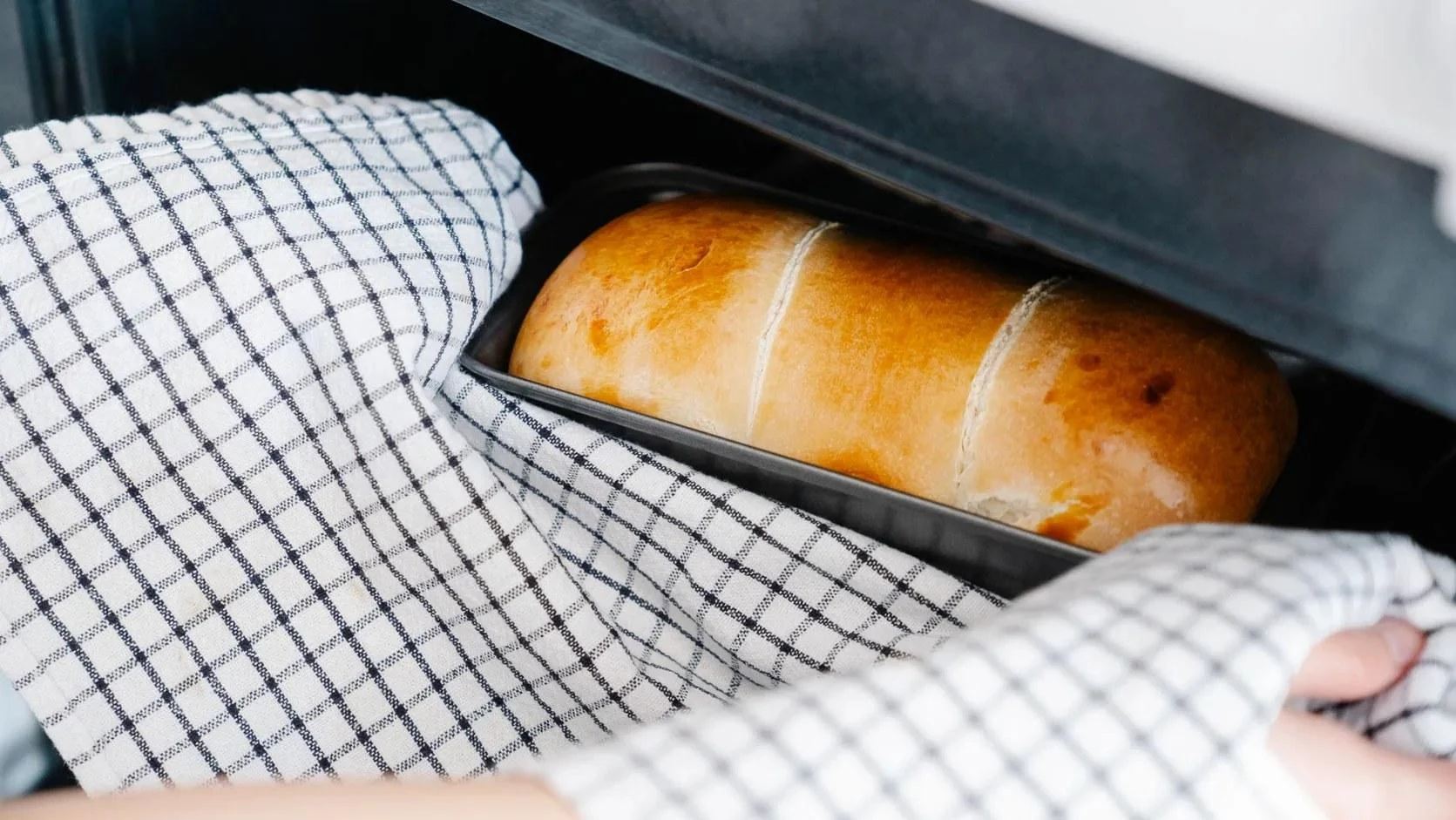
Convection ovens and smart ovens cook food faster and more evenly than standard models. They use fans to circulate hot air, which means you can lower the temperature or shorten the cooking time. This reduces the energy used for every meal.
Smart ovens often come with features like delayed start and automatic shut-off, which can further optimize energy use. These features allow you to take advantage of off-peak electricity rates and ensure the oven isn't running longer than necessary.
While the savings per meal are small, they add up over a year. If you bake or roast several times a week, a convection oven can cut cooking time by 25 percent. That translates to lower energy use and less time standing in the kitchen.
Best for: Home cooks who bake or roast food frequently and want faster results.
Appliance Comparison Guide
Use this table to compare the main options. The figures below are typical ranges based on average usage. Your actual savings will depend on how often you use each appliance and your local utility rates.
Appliance Comparison Guide
| Appliance | Avg. Cost | Annual Savings | Payback Time | Best For |
|---|---|---|---|---|
| Refrigerator | $500 - $1,500 | $50 - $100 | 3 - 5 years | High usage |
| Dishwasher | $400 - $1,000 | $20 - $50 | 2 - 4 years | Daily use |
| Oven | $300 - $800 | $10 - $30 | 3 - 6 years | Frequent baking |
| Microwave | $100 - $300 | $5 - $15 | 1 - 2 years | Quick meals |
Figures are estimates based on average US household usage and typical electricity rates.
Expert Insight: I have seen many homeowners ignore the EnergyGuide label. It is the single most useful tool for comparing true cost. Read it before you look at the price tag.
Extra Tips for Maximum Savings
Check Your Energy Guide
Every major appliance comes with a yellow and white EnergyGuide label. It shows the estimated yearly cost to operate the unit.[3] Look for the lowest cost on the label, not just the purchase price.
Size Matters
A bigger fridge does not mean better savings. An oversized refrigerator uses more energy to keep all that extra space cold. Choose a size that fits your family and your storage needs.
Maintain Your Units
Clean the coils behind your fridge once a year. Dust and pet hair make the compressor work harder. A clean unit runs more efficiently and lasts longer.
Use Peak Hours
Some utilities charge more during peak hours. If you can, run your dishwasher or laundry during off-peak times. This can lower your total energy bill significantly.
Consider Incentives
Check if your local utility offers rebates for buying efficient appliances. Some programs offer 50 to 100 dollars for ENERGY STAR certified models. This can lower your upfront cost.

Pro Tip: Do not buy the most expensive model just because it has the highest rating. A mid-range efficient model often gives you 90 percent of the savings for half the price.
Conclusion
Saving money on your kitchen appliances is about making smart choices, not just spending more. Focus on the units that run the most and have the biggest impact on your bill.
Start with one or two upgrades. You will see the difference on your next statement, and you will have a more comfortable, efficient kitchen for years to come.
Frequently Asked Questions
The refrigerator and dishwasher are the biggest drivers of savings. The fridge runs around the clock, and a certified model uses less electricity than a standard one, while an efficient dishwasher also cuts water and water-heating use.[1]
Payback periods usually range from two to five years, depending on your local electricity rate and how often you use the appliance. Refrigerators and dishwashers typically sit in the middle of that range, while small appliances like microwaves pay back fastest.
No. Start with one or two upgrades, such as a refrigerator older than ten years or a dishwasher you run daily, and see how your next bills compare before replacing more.
The yellow EnergyGuide label shows an appliance’s estimated yearly energy use and operating cost, so you can compare models side by side. Check it before you look at the price tag, since a cheaper unit can cost more to run.[3]
References
U.S. Department of Energy (2021). ENERGY STAR Kitchen Appliances. https://www.energy.gov/sites/default/files/2021-08/ES-KitchenAppliances_080221.pdf
ENERGY STAR (n.d.). Dishwashers. https://www.energystar.gov/products/dishwashers
UF/IFAS Extension Pinellas County (n.d.). Add Blue and Yellow: Get Green. https://blogs.ifas.ufl.edu/pinellasco/?p=1041
Subscribe to our newsletter
Our bi-weekly newsletter full of inspiration, podcast, trend and news.