Roofing • 2026-11-21
Cool Roof Energy Savings: How Florida Homeowners Cut Cooling Costs
A cool roof reflects Florida’s strong sun instead of pushing that heat into your attic, which can cut cooling energy use by around 10–20%. This guide explains how cool-rated roofing at replacement, reflective coatings on low-slope areas, and attic upgrades each help lower your AC bills.
See how each option compares on cost, lifespan, and effort for a typical 2,000 sq ft Florida roof. You’ll also find practical tips on CRRC ratings, roof cleaning, insurance discounts, utility rebates, and tracking your summer energy bills.
Subscribe to our newsletter
Our bi-weekly newsletter full of inspiration, podcast, trend and news.
Cool Roof Energy Savings: How Florida Homeowners Cut Cooling Costs
Does your upstairs feel like an oven by mid-afternoon, even with the AC running nonstop? In Florida, a dark roof soaks up the sun all day and pushes that heat straight into your attic. A cool roof reflects much of that sunlight away instead. The result can be a cooler home, a lighter load on your AC, and lower monthly bills, without changing how you live.
Quick Answer: A cool roof uses light-colored or reflective materials that bounce sunlight away and release heat faster. On a hot day it can stay more than 50°F cooler than a standard dark roof. In Florida homes, that often trims cooling energy use by around 10–20%, or about $100–$250 (PKR 28,000–70,000) a year, depending on your insulation, attic ducts, and AC system.
What Is Cool Roof Energy Savings?
Cool roof energy savings is the money you save on air conditioning when your roof reflects heat instead of absorbing it. A cool roof is rated on two things: solar reflectance (how much sunlight it bounces back) and thermal emittance (how quickly it releases the heat it does absorb). This guide is for Florida homeowners planning a roof replacement, a re-coat, or an attic upgrade who want lower bills from work they already need.
Three Proven Ways To Get Cool Roof Energy Savings
Below are three ways to turn your roof into an energy saver. Each one fits a different roof type, budget, and timeline, so pick the option that matches where your home is right now.
1. Choose Cool-Rated Roofing at Replacement
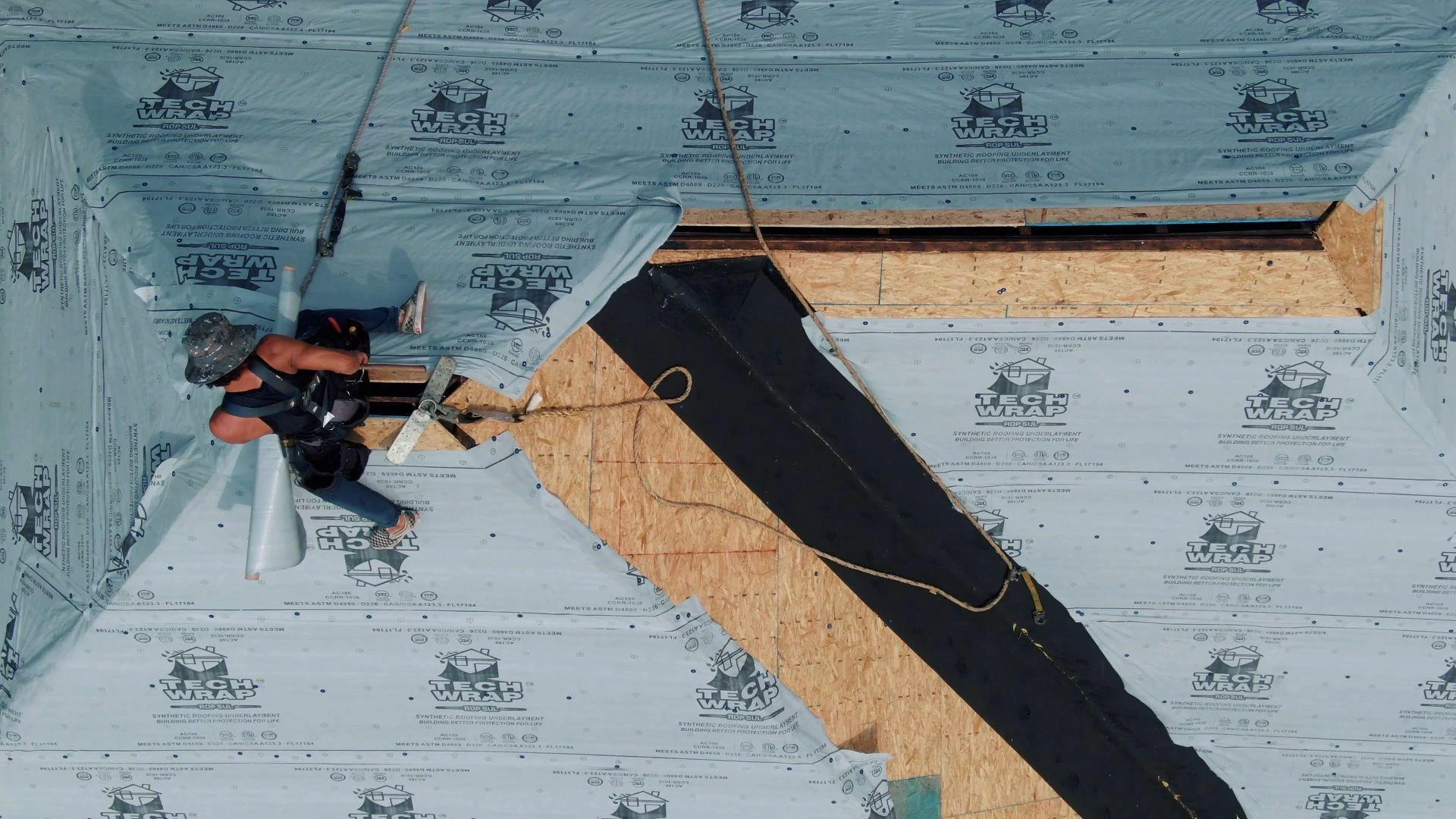
If your roof is due for replacement anyway, choosing a cool-rated product is the cheapest way to get savings, because you're paying for a new roof either way. Light-colored reflective shingles often cost about the same as standard shingles, at roughly $4.50–$7.50 per square foot installed (PKR 1,260–2,100). White or light concrete tile and light-colored metal reflect even more heat and last longer, but cost more up front.
Ask for products listed by the Cool Roof Rating Council (CRRC), which publishes tested reflectance and emittance values. That way you compare options on real numbers rather than color alone.
Best for: Homeowners whose roof is near the end of its life and who want savings built into the new roof.
2. Add a Reflective Coating to Low-Slope Areas
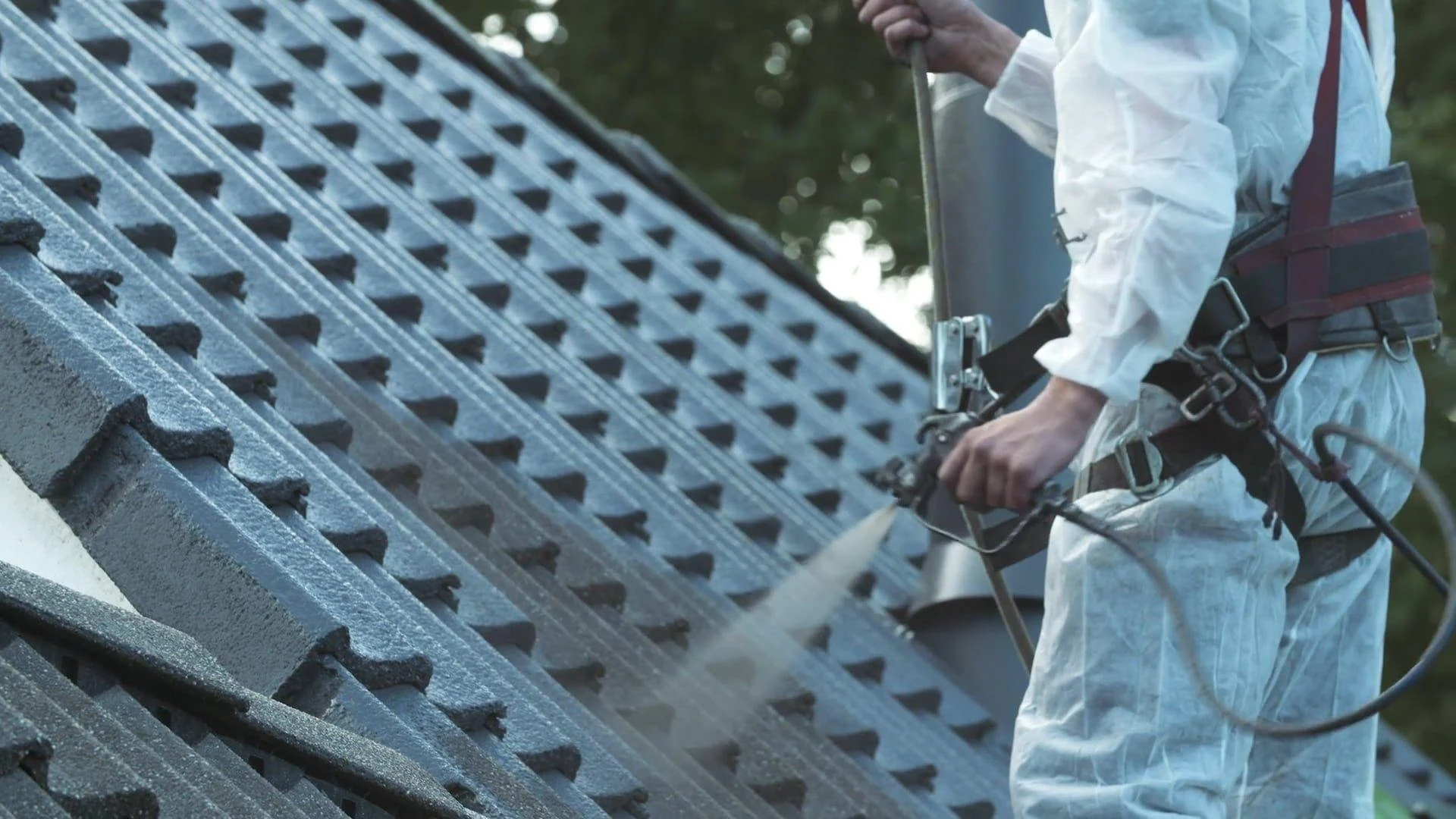
Many Florida homes have flat or low-slope sections over porches, Florida rooms, carports, or additions. A white elastomeric or silicone coating can turn these areas into cool roofs without a full tear-off. Professional application typically runs $1.50–$4.00 per square foot (PKR 420–1,120), depending on the roof's condition and the coating system.
A coating is not a fix for a leaking or rotted roof, and it is generally not recommended over asphalt shingles because it can trap moisture and may void the shingle warranty. Have the roof checked before you commit.
Best for: Homeowners with sound flat or low-slope sections who want lower bills without replacing the whole roof.
3. Pair Your Roof with an Attic Upgrade
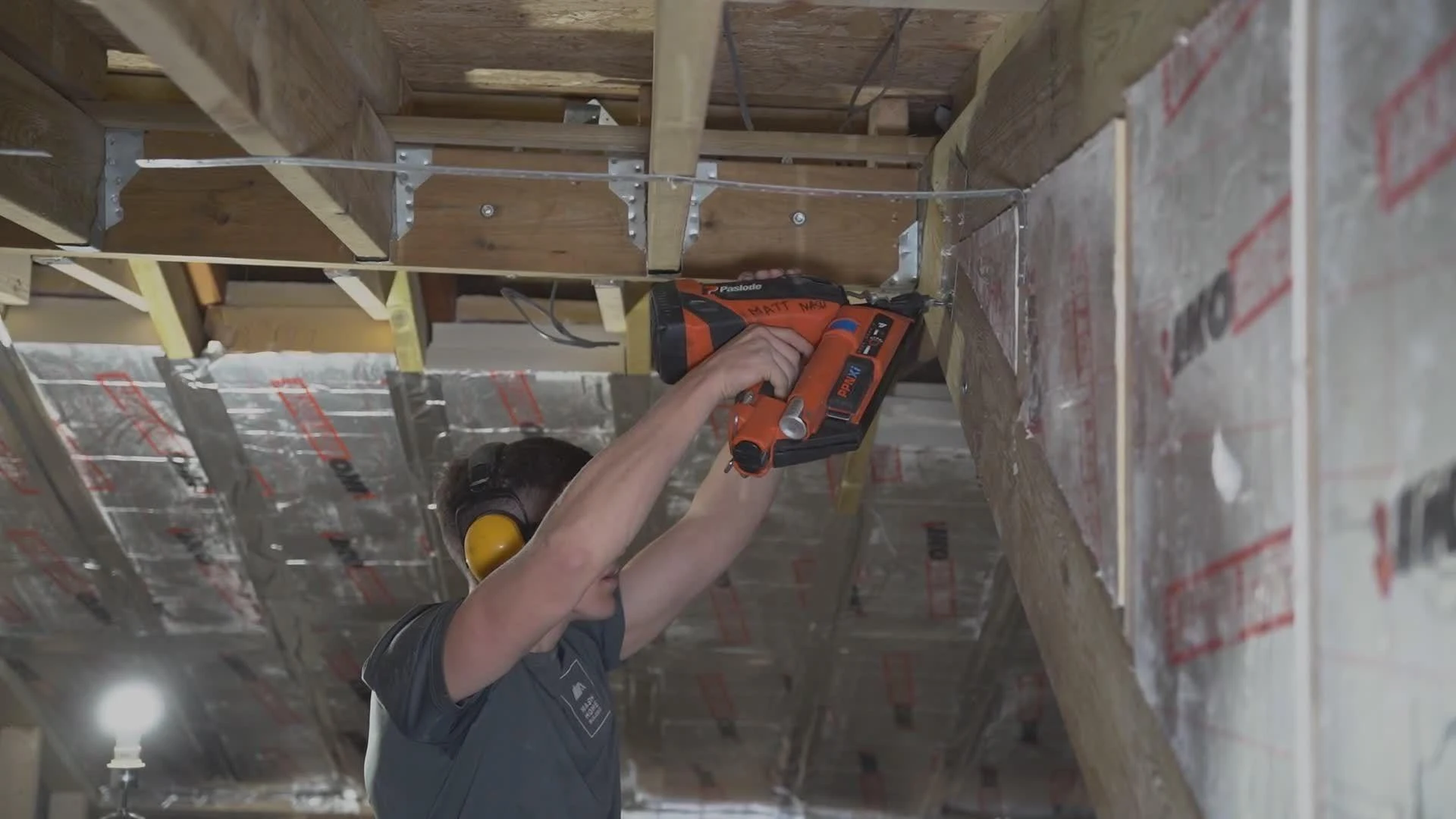
A cool roof keeps heat off the roof surface, while your attic decides how much of the remaining heat reaches your living space. Adding a radiant barrier, topping up attic insulation, and sealing leaky ducts can stack with a cool roof for bigger savings [1]. Savings tend to be largest when your AC ducts run through the attic, which is common in Florida homes.
A radiant barrier installed under the roof deck typically costs around $1,000–$3,000 (PKR 280,000–840,000) for an average attic, and it works under any roof color.
Best for: Homeowners who can't replace their roof yet but want to cut attic heat now.
Comparison of Cool Roof Options
Here’s a side‑by‑side look at the three options, including cost, lifespan, effort, and who they suit best.
Comparison of Cool Roof Options
| Option | Average Cost (USD / PKR) | Lifespan (Years) | Effort | Best For |
|---|---|---|---|---|
| Cool-Rated Shingles | $9,000–15,000 / PKR 2.5–4.2M | 15–20 | Low | Roofs due for replacement |
| Reflective Coating | $750–2,000 / PKR 210,000–560,000 | 10–15 | Medium | Flat or low-slope sections |
| Attic Upgrade | $1,000–3,000 / PKR 280,000–840,000 | 25+ | Medium | Roofs with years of life left |
Costs are estimates for a 2,000 sq ft roof in Florida (coatings: a 500 sq ft low-slope section), converted at about PKR 280 per $1. Prices vary by home and contractor, so compare local quotes. Effort levels reflect the homeowner’s involvement.
Expert Insight: Roofing pros often point out that the cheapest time to go cool is at replacement. A reflective shingle or light tile usually adds little to the price, but the savings repeat every summer for the life of the roof.
Additional Tips to Boost Cool Roof Energy Savings
Check the Ratings, Not Just the Color
Two roofs of the same shade can perform very differently. Compare the initial and aged solar reflectance on the CRRC listing, since roofs lose some reflectance as they weather and collect dirt.
Keep the Surface Clean
Dirt, mildew, and algae darken a roof and reduce how much heat it reflects [2]. A gentle low-pressure wash every year or two, or algae-resistant products, helps keep your savings steady.
Ask About Insurance Discounts
If you're replacing your roof, ask about wind-mitigation upgrades such as stronger roof deck attachment and roof-to-wall connections. Florida insurers must offer discounts for qualifying features, so a wind mitigation inspection after the job may lower your premium.
Look for Utility Rebates
Some Florida electric utilities offer rebates for attic insulation and other efficiency upgrades. Check your utility's website before work begins, since many programs need approval in advance. Federal tax credits do not currently cover cool roofs.
Keep an Eye on Energy Bills
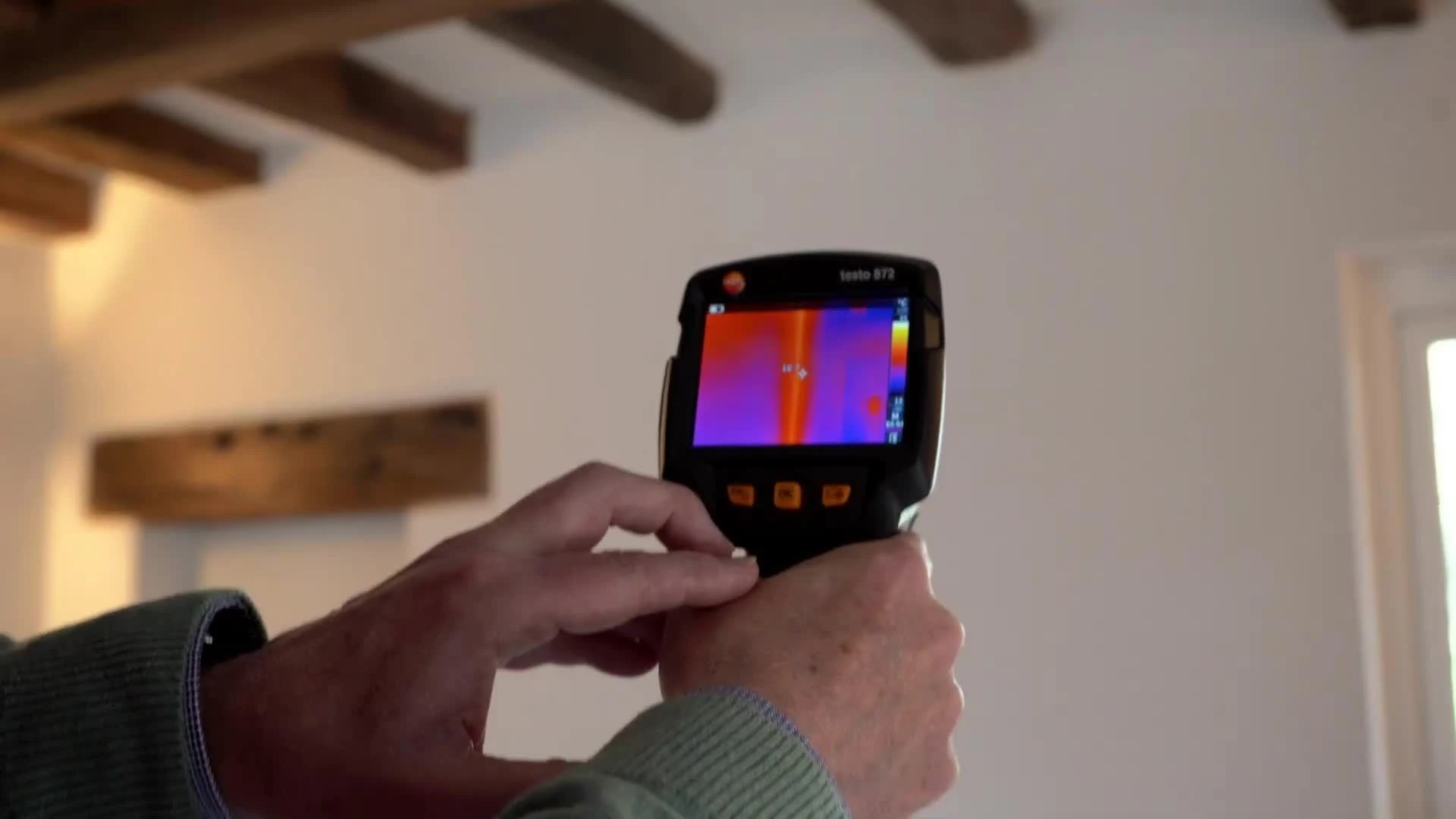
Compare your summer bills before and after the work. A cool roof cuts the AC load most on the hottest afternoons [3], so the savings show up most from June through September.
Pro Tip: Before you sign, ask each contractor which exact product they are quoting and its CRRC rating. A clear written estimate should list the product name, color, and warranty, not just “white roof.”
Conclusion
Cool roof energy savings add up quietly: a cooler attic, a lighter load on your AC, and lower bills every Florida summer. The smartest move is to build reflectivity into work you already need, whether that's a full replacement, a re-coat of a low-slope section, or an attic upgrade. Done right, your roof keeps paying you back for years.
Frequently Asked Questions
In Florida homes, cool roofs often cut cooling energy use by around 10–20%, or roughly $100–$250 (PKR 28,000–70,000) a year. Homes with ducts in the attic and less insulation tend to save the most.
Yes. Many manufacturers make light-colored, reflective asphalt shingles rated by the CRRC. They reflect less heat than white tile or metal, but they still run cooler than dark shingles.
In Florida's mild winters, any extra heating cost is usually small compared with the summer cooling savings.
It's generally not recommended. Coatings can trap moisture in shingles and may void the manufacturer's warranty. They work best on flat or low-slope roofs.
Savings last as long as the roof stays reflective. Keeping the surface clean and choosing products with strong aged-reflectance ratings helps them hold up for the life of the roof.
References
U.S. Department of Energy, Energy Saver. Radiant Barriers. https://www.energy.gov/energysaver/radiant-barriers
U.S. Environmental Protection Agency. Using Cool Roofs to Reduce Heat Islands. https://www.epa.gov/heatislands/using-cool-roofs-reduce-heat-islands
U.S. Department of Energy, Energy Saver. Cool Roofs. https://www.energy.gov/energysaver/cool-roofs
Subscribe to our newsletter
Our bi-weekly newsletter full of inspiration, podcast, trend and news.