Roofing • 2026-11-21
Cheapest Roofing Material for Florida: Costs, Lifespan, and Real Value
Asphalt shingles cost the least to install on a Florida roof, but the cheapest choice over time depends on lifespan and storm protection. This guide breaks down architectural shingles, metal roofing, and concrete tile so you can see which one gives your home the best value.
See how each material compares on cost, lifespan, and effort for a typical 2,000 sq ft Florida roof. You’ll also find practical tips on cost per year, wind mitigation credits, partial repairs, lighter colors, and budgeting for underlayment.
Subscribe to our newsletter
Our bi-weekly newsletter full of inspiration, podcast, trend and news.
Cheapest Roofing Material for Florida: Costs, Lifespan, and Real Value
Got a roofing quote that made your stomach drop? You're not alone. Florida roofs face brutal sun, heavy rain, and hurricane winds, and that pushes prices up. The good news is that the cheapest roofing material for Florida isn't always the one with the lowest price tag. Once you compare cost, lifespan, and storm protection side by side, the best deal for your home becomes much clearer.
Quick Answer: Architectural asphalt shingles are the cheapest roofing material for Florida up front, at roughly $4.50–$7.50 per square foot installed (PKR 1,260–2,100). A typical 2,000 sq ft roof costs about $9,000–$15,000 (PKR 2.5–4.2 million). Metal costs more at the start but can last two to three times longer, which often makes it cheaper per year of use.
What Is the Cheapest Roofing Material for Florida?
The cheapest roofing material for Florida is the one that gives you the lowest total cost over the years you own your home, while still meeting the state's strict wind and building codes. That means looking at three numbers: the installed price, how long the roof lasts in Florida heat, and what it does for your insurance. This guide is for Florida homeowners who need a new roof and want the most value from every dollar.
Three Affordable Roofing Materials for Florida Homes
Below are the three most common roofing materials on Florida homes, from the lowest up-front cost to the highest. Each one has a different balance of price, lifespan, and storm protection, so match the choice to your budget and how long you plan to stay in your home.
1. Architectural Asphalt Shingles
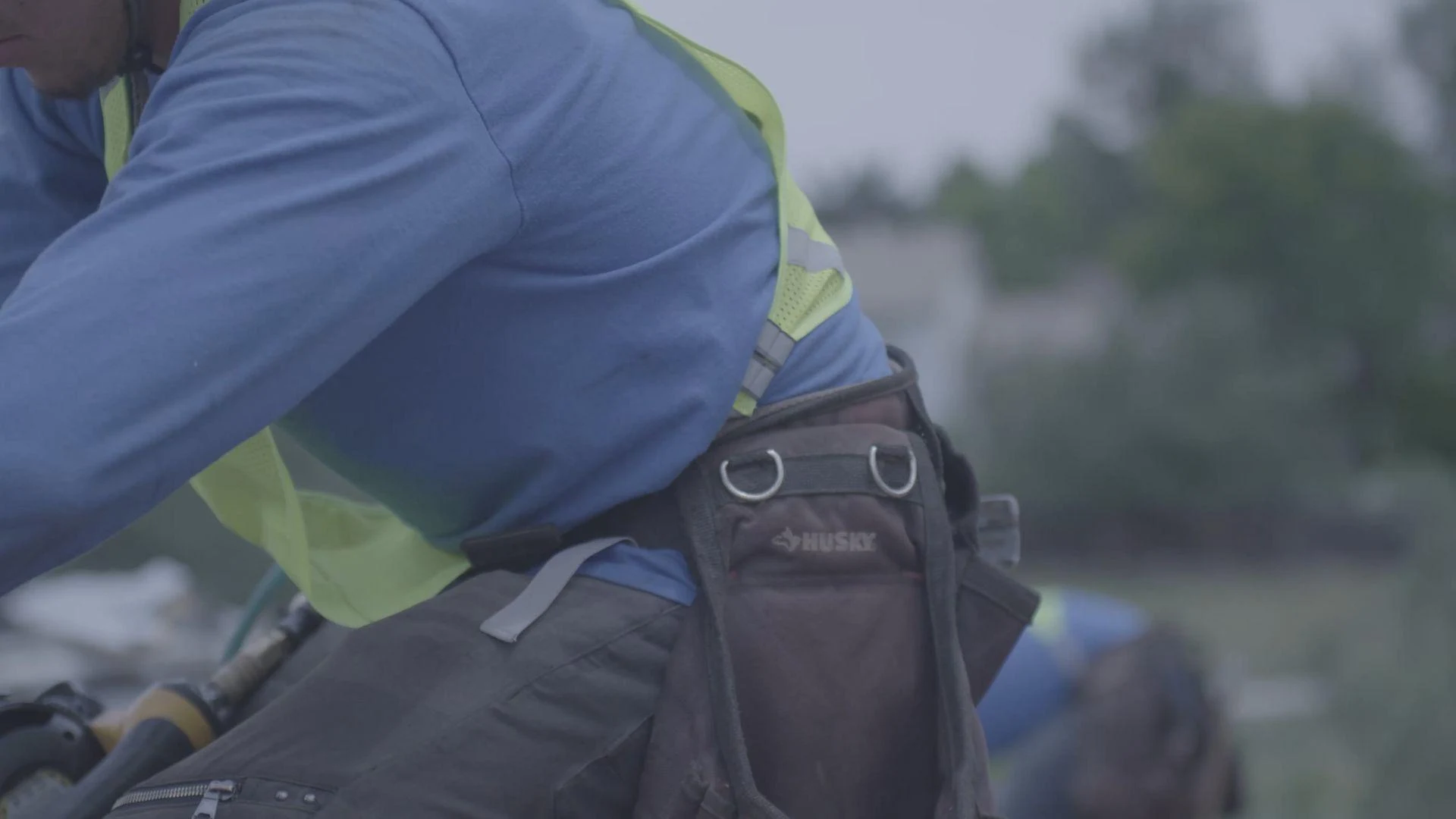
Asphalt shingles are the lowest-cost option for most Florida homes, at about $4.50–$7.50 per square foot installed (PKR 1,260–2,100). Most roofers now install thicker architectural shingles rather than older 3-tab styles, and many are rated for winds of 130 mph or more when installed to the manufacturer's high-wind specs.
The trade-off is lifespan. Constant sun and heat wear shingles out faster in Florida than in cooler states, so expect around 15–20 years before you need another replacement.
Best for: Homeowners on a tight budget, or those planning to sell within the next 10–15 years.
2. Metal Roofing
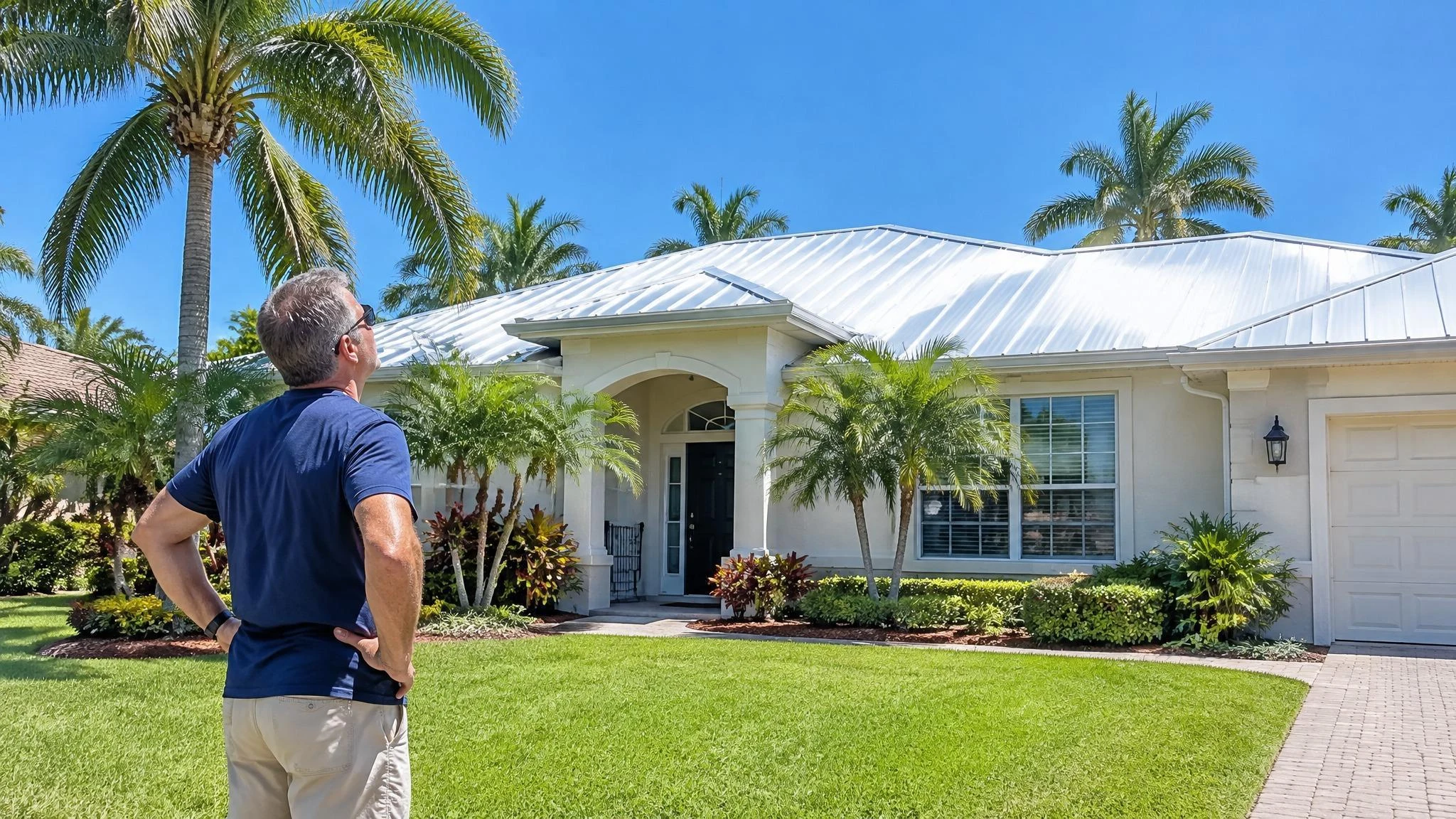
Metal roofing costs more up front, at roughly $8–$16 per square foot installed (PKR 2,240–4,480), depending on whether you choose exposed-fastener panels such as 5V crimp or a standing-seam system. In return, a metal roof can last 40–60 years, handles high winds well, and reflects more heat when you pick a light color.
If you plan to stay in your home for decades, metal is often the cheapest choice per year of use, because you may never pay for a second replacement.
Best for: Homeowners staying long term who want strong storm protection and lower cooling bills.
3. Concrete Tile
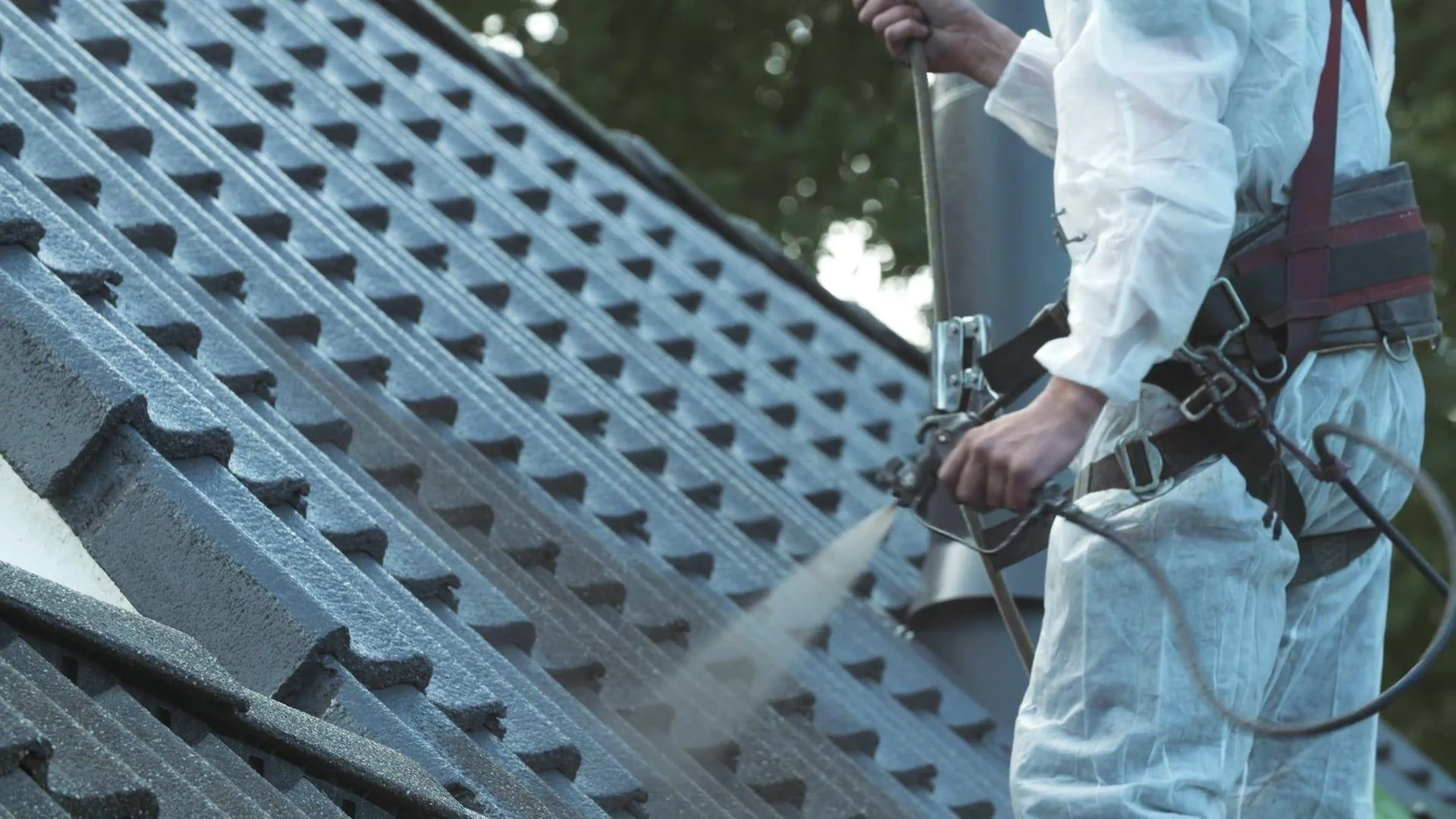
Concrete tile is a classic Florida look and can last 30–50 years, but it is the most expensive of the three at about $10–$18 per square foot installed (PKR 2,800–5,040). Every roofing product used in Florida must carry state product approval, or a Miami-Dade approval in high-velocity hurricane zones [1], so make sure your quote lists an approved tile system.
Keep in mind that the underlayment beneath the tiles usually needs replacing after 20–25 years, even when the tiles themselves are still in good shape.
Best for: Homeowners who want a long-lasting, classic Florida look and have a larger budget.
Comparison of Florida Roofing Materials
Here’s a side‑by‑side look at the three materials, including cost, lifespan, effort, and who they suit best.
Comparison of Florida Roofing Materials
| Option | Average Cost (USD / PKR) | Lifespan (Years) | Effort | Best For |
|---|---|---|---|---|
| Asphalt Shingles | $9,000–15,000 / PKR 2.5–4.2M | 15–20 | Low | Tight budgets |
| Metal Roofing | $16,000–32,000 / PKR 4.5–9.0M | 40–60 | Medium | Long-term owners |
| Concrete Tile | $20,000–36,000 / PKR 5.6–10.1M | 30–50 | High | Classic Florida style |
Costs are estimates for a 2,000 sq ft roof in Florida, converted at about PKR 280 per $1. Prices vary by home, region, and contractor, so compare local quotes. Effort levels reflect installation time and disruption for the homeowner.
Expert Insight: Roofing pros often point out that the cheapest roof is the one you only pay for once. Divide each quote by its expected lifespan, and a pricier material can turn out to be the better deal.
Additional Tips to Save on a Florida Roof
Compare Cost per Year, Not Just Price
A $12,000 shingle roof that lasts 17 years costs about $700 a year (PKR 196,000). A $24,000 metal roof that lasts 50 years costs under $500 a year (PKR 140,000). Run this math on every quote you get.
Ask About Wind Mitigation Credits
Florida insurers must offer discounts for wind-resistant features such as stronger roof deck attachment and secondary water barriers. Programs like My Safe Florida Home can help eligible homeowners pay for an inspection [2], and the resulting discounts can offset part of your roof cost every year.
Check Whether a Repair Is Enough
Florida's updated rules mean that if your roof was built to the 2007 building code or later, a damaged section can often be repaired without replacing the whole roof. Ask your contractor whether this applies before you commit to a full replacement.
Choose a Lighter Color
Light-colored shingles, tile, or metal reflect more sunlight and can lower your cooling bills. The extra cost is usually small, and the savings repeat every summer.
Budget for Underlayment and Deck Repairs
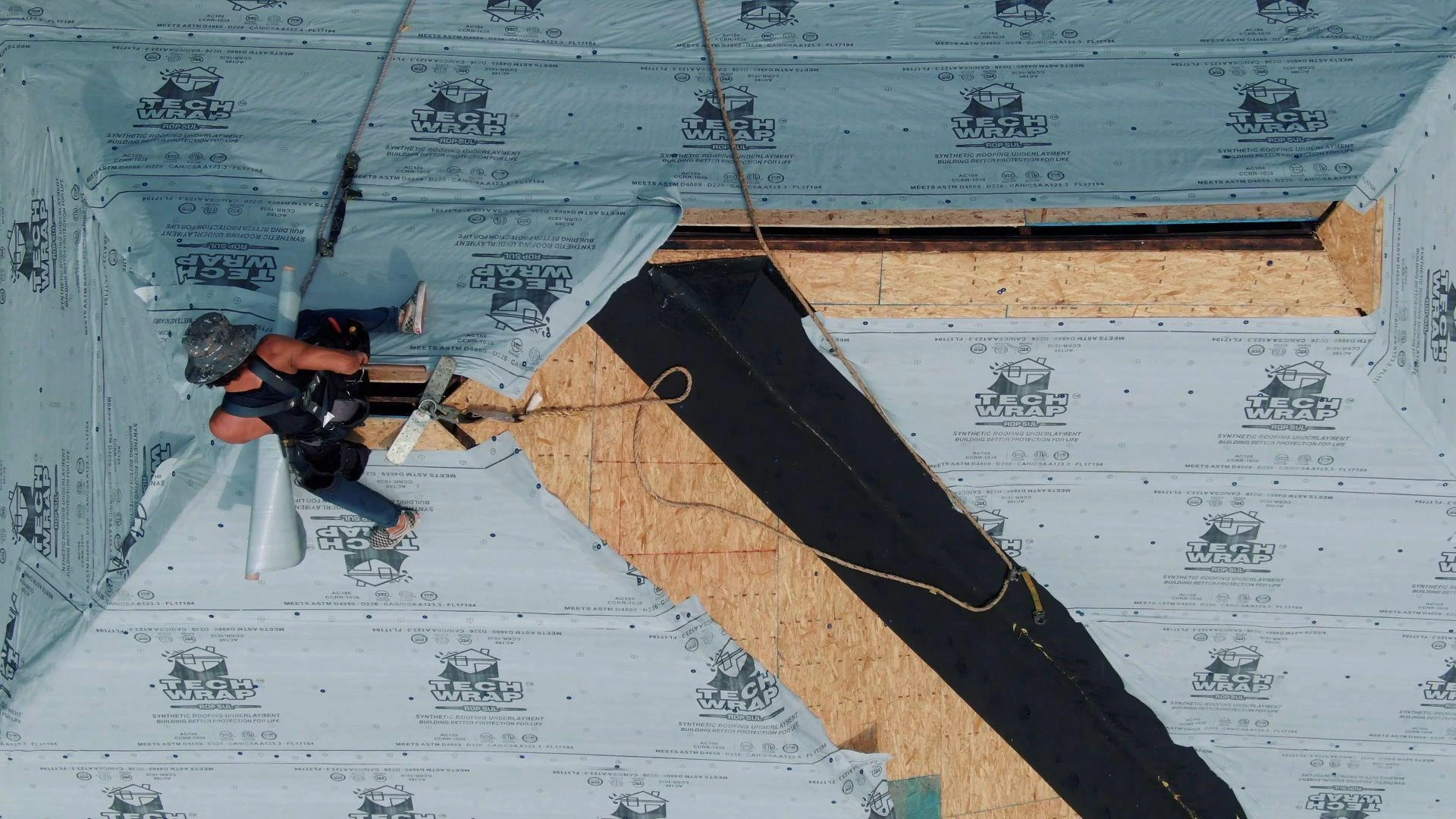
Florida code often requires upgraded underlayment or a sealed roof deck when you re-roof [3]. Ask every contractor to include these items and any rotten-wood repairs in the quote, so you can compare true totals instead of finding surprise charges later.
Pro Tip: Get at least three written quotes for the same material and scope. Make sure each one lists the product name, wind rating, underlayment, permit, and warranty, so you're comparing like with like.
Conclusion
Asphalt shingles are the cheapest roofing material for Florida up front, but metal often wins over the long run, and tile suits homeowners who want a classic look built to last. The right choice depends on your budget, how long you'll stay, and what your insurer rewards. Compare cost per year, ask about wind credits, and read every quote line by line.
Frequently Asked Questions
Architectural asphalt shingles have the lowest up-front cost, at roughly $9,000–$15,000 (PKR 2.5–4.2 million) for a typical 2,000 sq ft roof.
For many homeowners, yes. Metal can last 40–60 years and handles high winds well, so its cost per year is often lower than shingles if you stay in your home long term.
Usually around 15–20 years. Intense sun and heat wear shingles out faster than in cooler climates.
Often, yes. A new roof with wind-resistant features can qualify for wind mitigation discounts. Ask your insurer which features count before work begins.
If your roof was built to the 2007 Florida Building Code or later, a damaged section can often be repaired without a full replacement. A licensed contractor can confirm this for your home.
References
Florida Building Commission. Florida Product Approval. https://www.floridabuilding.org/pr/pr_default.aspx
My Safe Florida Home Program. Florida Department of Financial Services. https://mysafeflhome.com/
Florida Building Commission. Florida Building Code. https://www.floridabuilding.org/bc/bc_default.aspx
Subscribe to our newsletter
Our bi-weekly newsletter full of inspiration, podcast, trend and news.