Kitchen • 2026-11-13
Cabinet Refacing vs Replacing Cost Savings: Save Money & Time
Tired of your old kitchen cabinets but worried about the cost of a full replacement? This guide compares refacing at $1,500 to $3,000 with replacement at $5,000 to $12,000, so you can see exactly how much you could save.
Learn how refacing, full replacement, and a hybrid approach stack up on cost, timeline, and lifespan. You’ll also find practical tips on finishes, hardware, and warranties to help you get a fresh kitchen without overspending.
Subscribe to our newsletter
Our bi-weekly newsletter full of inspiration, podcast, trend and news.
Cabinet Refacing vs Replacing Cost Savings: Save Money & Time
Cabinet refacing vs replacing cost savings is the subject of this in-depth guide. Have you ever stared at your old kitchen cabinets and wondered if you should reface or replace them? The decision can feel overwhelming, especially when you hear about the cost differences. In this guide, we’ll break down the savings and practical steps for cabinet refacing vs replacing cost savings. We’ll give you clear numbers and real examples so you can decide what works best for your space.
Quick Answer: Refacing a kitchen cabinet typically costs between $1,500 and $3,000 for a whole kitchen, while full replacement can run $5,000 to $12,000. Refacing takes about 1–2 weeks, whereas replacement can take 3–4 weeks. Refacing saves you 30% to 70% on labor and material compared to replacement.
What Is Cabinet Refacing vs Replacing Cost Savings?
Cabinet refacing vs replacing cost savings is a comparison of the financial and time investments needed to either reface existing cabinets or replace them entirely. It includes material costs, labor, project duration, and long‑term durability, and is useful for homeowners weighing budget against desired outcome.
Key Options to Consider
When you’re planning a kitchen update, the two main paths are refacing and replacing. Each has its own benefits and drawbacks. Below we explore the main reasons to choose one over the other.
1. Refacing Cabinets
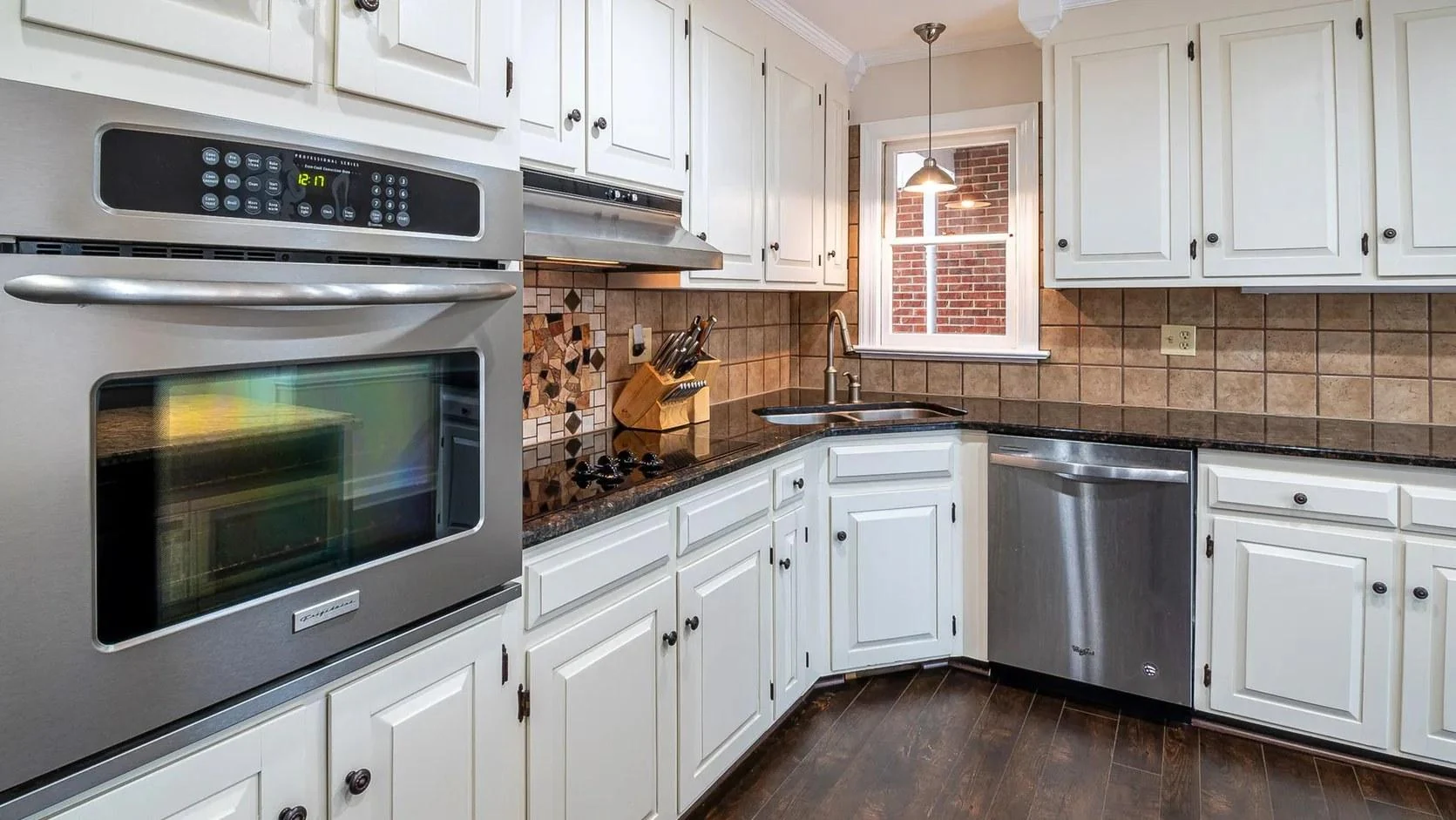
Refacing means covering the existing cabinet box with a new veneer or laminate. [2] You keep the frame and hardware, which cuts down on material costs and waste. A typical refacing job for a 12‑cabinet kitchen starts at $1,500 and can go up to $3,000 depending on the finish.
Homeowners often underestimate the cost of disposal when replacing cabinets. Removing old units typically adds $500 to $1,000 to the total bill. Refacing avoids this fee entirely because no heavy debris leaves the site.
When a cabinet box is structurally sound, refacing can also extend its life by up to five years. A contractor will first sand the existing finish, then apply a new laminate or veneer. The process takes 3–5 days per cabinet, which is why a 12‑cabinet kitchen finishes in about a week. The most common finishes are solid color laminate, which costs $0.50–$1.50 per square foot, and pre‑stained wood veneer, which runs $2–$4 per square foot.
Best for: Homeowners who want a new look without the expense of full replacement.
2. Replacing Cabinets
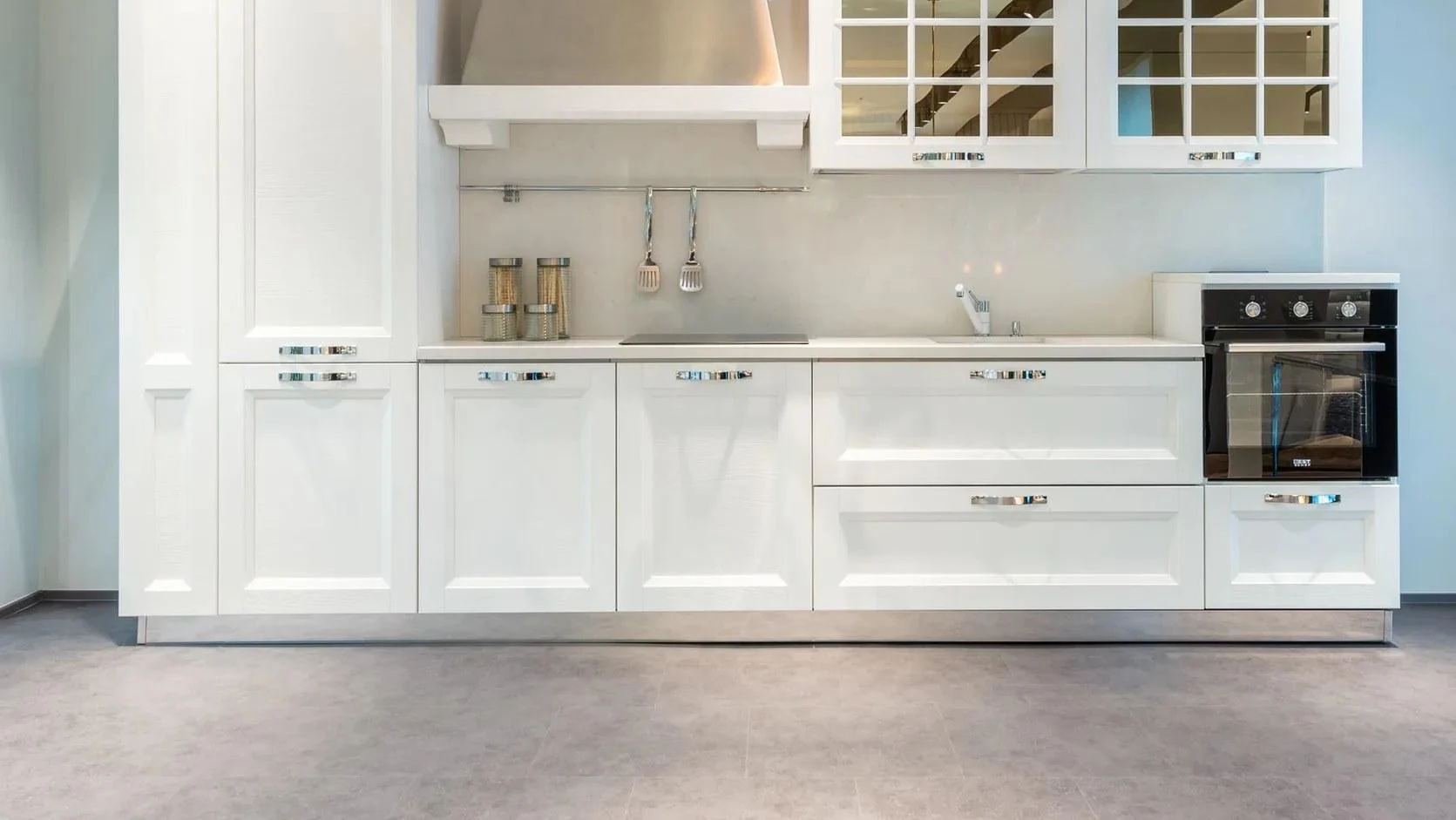
Replacing involves removing old cabinets and installing new ones. [1] The cost ranges from $5,000 to $12,000 for a full kitchen, based on cabinet style and material. Replacement offers the longest lifespan and the most flexibility for layout changes.
Full replacement also requires new countertop installation or modification. [3] If your current countertops do not fit the new cabinet dimensions, expect an extra $2,000 to $4,000 for new stone or quartz slabs.
Full replacement offers the option to change cabinet depth. Standard 24‑inch cabinets can be swapped for 30‑inch models, adding storage and altering the kitchen’s scale. This change alone can cost an extra $1,000 to $2,500, depending on the material. High‑end hardwood cabinets average $4–$6 per square foot, while engineered wood stays between $2–$3 per square foot. The labor rate for a full install is $75–$120 per hour, which explains why replacement projects can reach $12,000 in a 4‑week span.
Best for: Those who need a complete overhaul or plan to change cabinet layout.
3. Hybrid Approach
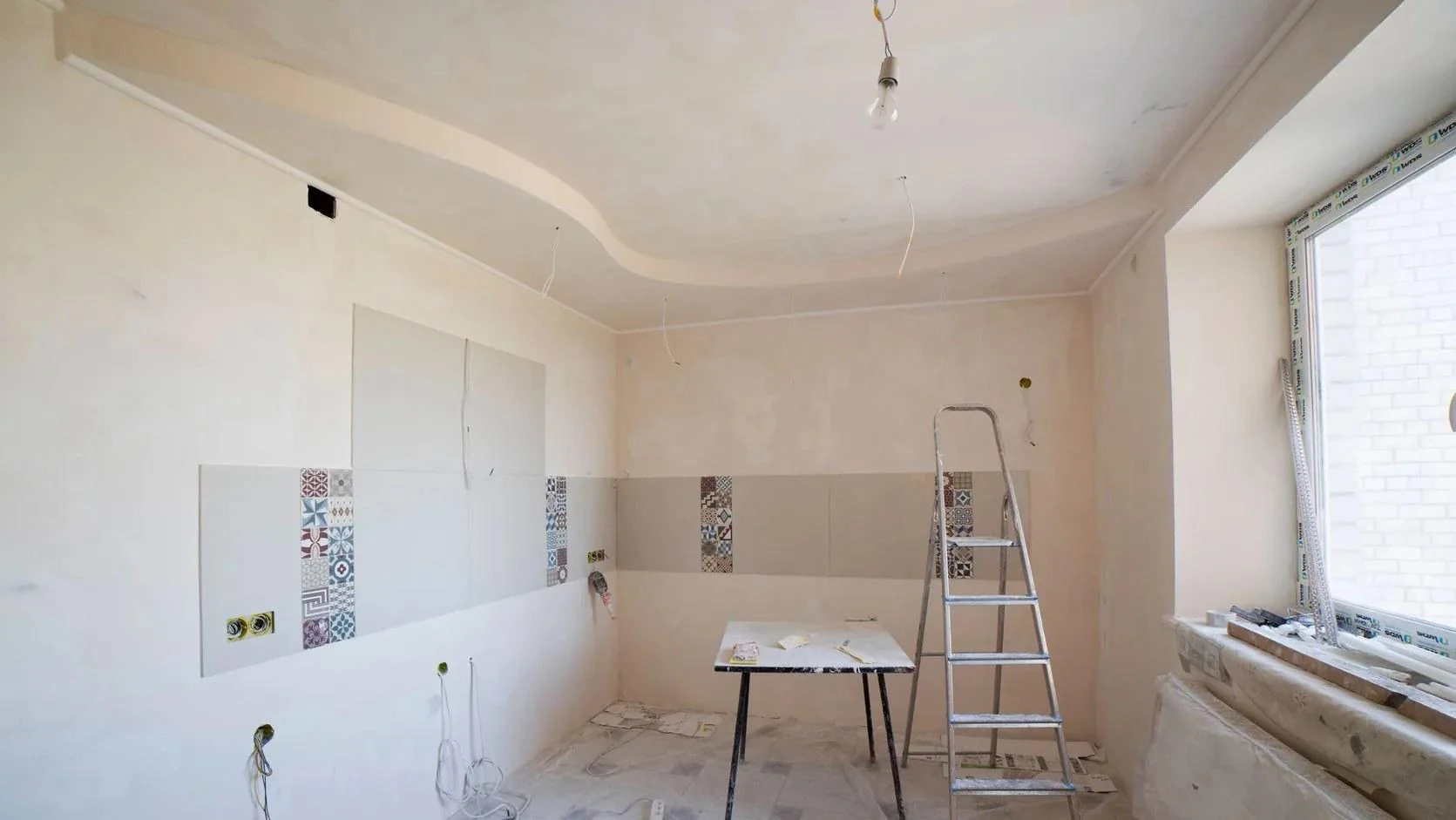
A hybrid approach mixes refacing and selective replacement. You might reface most cabinets but replace a few that are damaged or misaligned. This can balance cost and functionality.
In a hybrid plan, the homeowner might reface the upper cabinets to keep a consistent look and replace the lower cabinets to accommodate a new dishwasher or pull‑out pantry. This mix typically costs $3,500 to $5,000, saving about 30% compared to a full replacement while adding 20% more value than a pure refacing job. The timeline drops to 2–3 weeks because only a few cabinets are disassembled and rebuilt.
Best for: People who want a fresh look but only need a few new cabinets.
Comparison Chart
Here’s a quick side‑by‑side look at the key factors for each option.
Comparison Chart
| Feature | Refacing | Replacing | Hybrid |
|---|---|---|---|
| Average Cost | $1,500–$3,000 | $5,000–$12,000 | $2,500–$6,000 |
| Time to Complete | 1–2 weeks | 3–4 weeks | 2–3 weeks |
| Lifespan | 10–15 years | 15–20 years | 12–18 years |
| Labor Effort | Low | High | Medium |
| Best For | Quick Refresh | Full Upgrade | Balanced Upgrade |
Costs are based on average U.S. pricing for a 12‑cabinet kitchen. Times assume no major structural changes.
Expert Insight: A seasoned contractor notes that refacing can cut labor costs by up to 70% because the cabinet frames stay in place, but replacement offers more design flexibility for layout changes.
Additional Tips for Saving Money
Choose a Simple Finish
Opt for a laminate or melamine finish instead of high‑grade wood veneer. Laminate is cheaper and still looks modern.
Use Existing Hardware
Keep knobs and pulls if they’re in good condition. New hardware can cost $5–$15 per piece.
Measure drawer spacing before buying new hardware. Mismatched spacing forces drilling new holes, which weakens the wood and adds labor costs of $50 to $100 per cabinet.
Plan for Future Repairs
If you reface, schedule a yearly inspection to catch any moisture damage early.
Ask About Warranties
Many refacing companies offer a 10‑year warranty on the veneer. Replacement cabinets often come with a 5‑year warranty on the wood.
Consider Energy Efficiency
Replacing cabinets with insulated options can improve kitchen airflow and reduce energy costs.
Pro Tip: When refacing, make sure the cabinet box is in good shape; a warped frame will ruin the finish. For replacements, choose a reputable manufacturer with a solid warranty to protect your investment.
Conclusion
Choosing between cabinet refacing vs replacing cost savings depends on your budget, timeline, and long‑term goals. Refacing offers a quick, affordable refresh, while replacement delivers durability and flexibility. A hybrid approach can give you the best of both worlds. Whatever you choose, plan carefully and work with experienced professionals to get the best results.
Frequently Asked Questions
Usually, yes. Refacing keeps the existing cabinet boxes, so you avoid most removal and disposal costs. In this guide, refacing runs about $1,500 to $3,000 versus $5,000 to $12,000 for replacement, but prices vary widely by kitchen size and materials, so get several quotes.
Refacing typically takes about one to two weeks, while full replacement can take three to four weeks. A hybrid approach usually falls in between at two to three weeks.
Replace your cabinets if the boxes are damaged or warped, or if you want to change the layout. Replacement also often means new countertops, which adds to the total cost.
Yes. A hybrid approach lets you reface most cabinets and replace only the damaged or misaligned ones, or those that need to fit a new appliance. In the example above, this costs roughly $3,500 to $5,000.
References
Zonda (2024). Cost vs. Value Report 2024. Remodeling Magazine. https://www.remodeling.hw.net/cost-vs-value/2024/
U.S. Environmental Protection Agency (n.d.). Sustainable Management of Construction and Demolition Materials. https://www.epa.gov/smm/sustainable-management-construction-and-demolition-materials
National Association of Home Builders & Bank of America Home Equity (2007). Study of Life Expectancy of Home Components. https://www.nahb.org/-/media/NAHB/news-and-economics/docs/housing-economics/special-studies/2007/special-study-study-of-life-expectancy-of-home-components-february-2007.pdf
Subscribe to our newsletter
Our bi-weekly newsletter full of inspiration, podcast, trend and news.