Flooring • 2026-11-09
Best Budget Flooring for Florida Homes: Affordable Options That Last
Florida’s heat and humidity can ruin cheap floors fast, but durable flooring doesn’t have to cost a fortune. This guide compares three budget-friendly options, luxury vinyl plank, ceramic tile, and engineered hardwood, with real prices from $2 to $7 per square foot.
Learn how long each floor lasts, how much effort installation takes, and which rooms each one suits best. You’ll also get practical tips on moisture ratings, underlayment, expansion gaps, and local discounts to help you save money and avoid costly mistakes.
Subscribe to our newsletter
Our bi-weekly newsletter full of inspiration, podcast, trend and news.
Best Budget Flooring for Florida Homes: Affordable Options That Last
Are you tired of high‑priced flooring that doesn’t hold up under Florida’s heat and humidity? The search for the best budget flooring for Florida homes often ends in frustration.
In this guide you’ll learn which low‑cost materials survive the climate, how much they typically cost, and what you can expect during installation.
Quick Answer: The best budget flooring for Florida homes includes luxury vinyl plank ($2‑$4 per sq ft), ceramic tile ($3‑$6 per sq ft), and engineered hardwood ($4‑$7 per sq ft). All three flooring types can generally be installed in one to three days and last 10–20 years with proper care.
What Is Best Budget Flooring for Florida Homes?
Best budget flooring for Florida homes is a selection of low‑cost floor materials that perform well in high heat and humidity. It includes options like luxury vinyl plank, ceramic tile, and engineered hardwood, and is aimed at homeowners who need durability without a big price tag. [2]
Top Three Budget Flooring Options
Each of these choices balances price, durability, and ease of installation for the Florida environment.
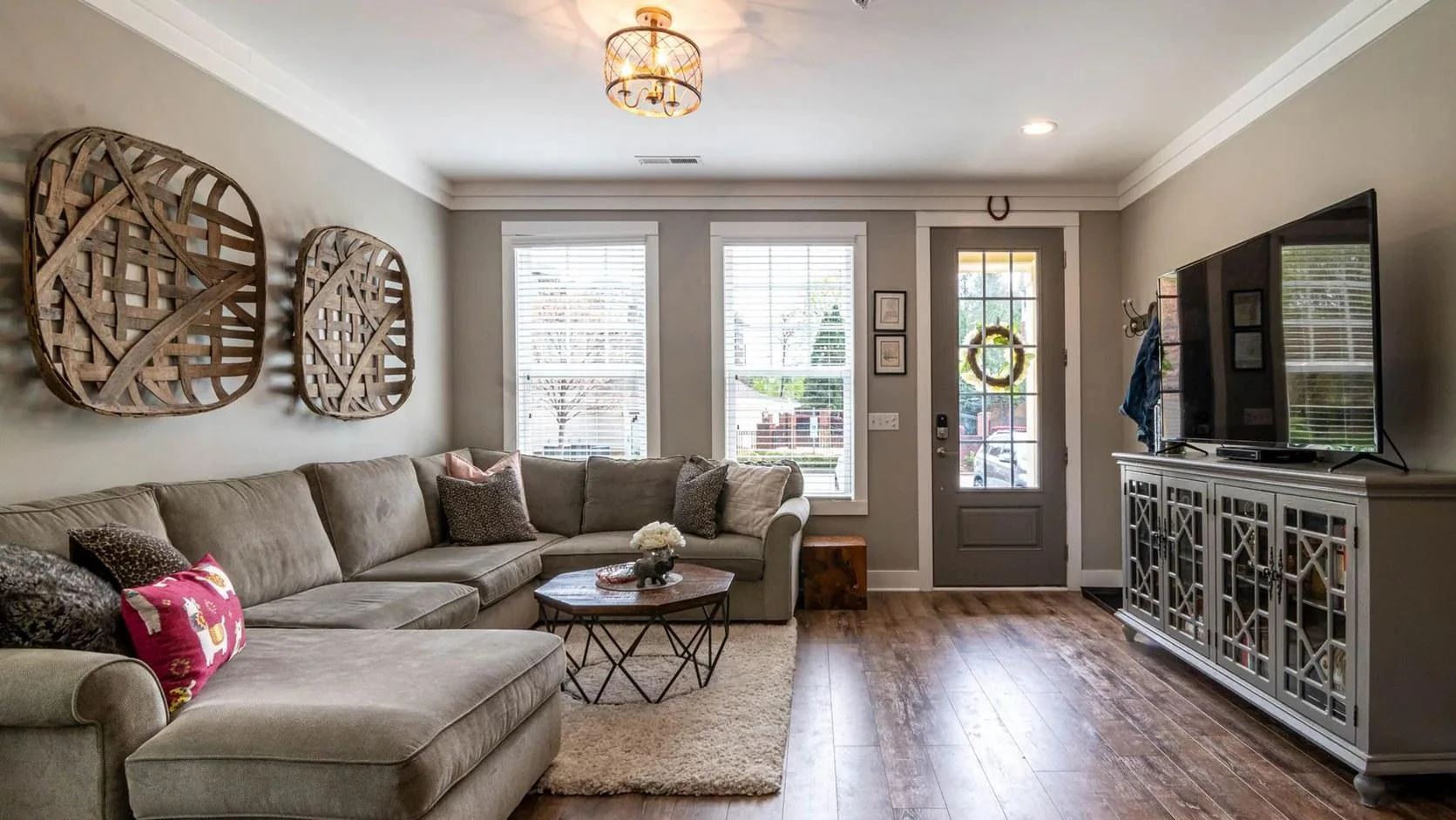
1. Luxury Vinyl Plank
Luxury vinyl plank (LVP) mimics wood or stone while resisting water and sun‑bleached fading.[1] Prices range from $2 to $4 per square foot, and many products come with a click‑lock system that a DIYer can handle in a weekend.
When installing LVP, start by cleaning the subfloor and repairing any low spots. Apply a thin coat of moisture‑resistant primer if the concrete slab has a measured moisture vapor emission rate above 5 g/m²/24 h. Use a 1/8‑inch spacers to maintain the recommended expansion gap around the room perimeter. After the first row is locked, stagger the seams at least 6 inches to improve stability and reduce visible joints.
- Check subfloor flatness with a 2‑foot level; variations should not exceed 1/8 inch.
- Use a high‑quality underlayment rated for at least 0.5 % water absorption.
LVP typically lasts 10–15 years in high‑traffic areas and can be refinished with simple surface cleaning. It works well in kitchens, bathrooms, and sun‑exposed living rooms.
Best for: Homeowners who want a wood look without the moisture risk.
2. Ceramic Tile
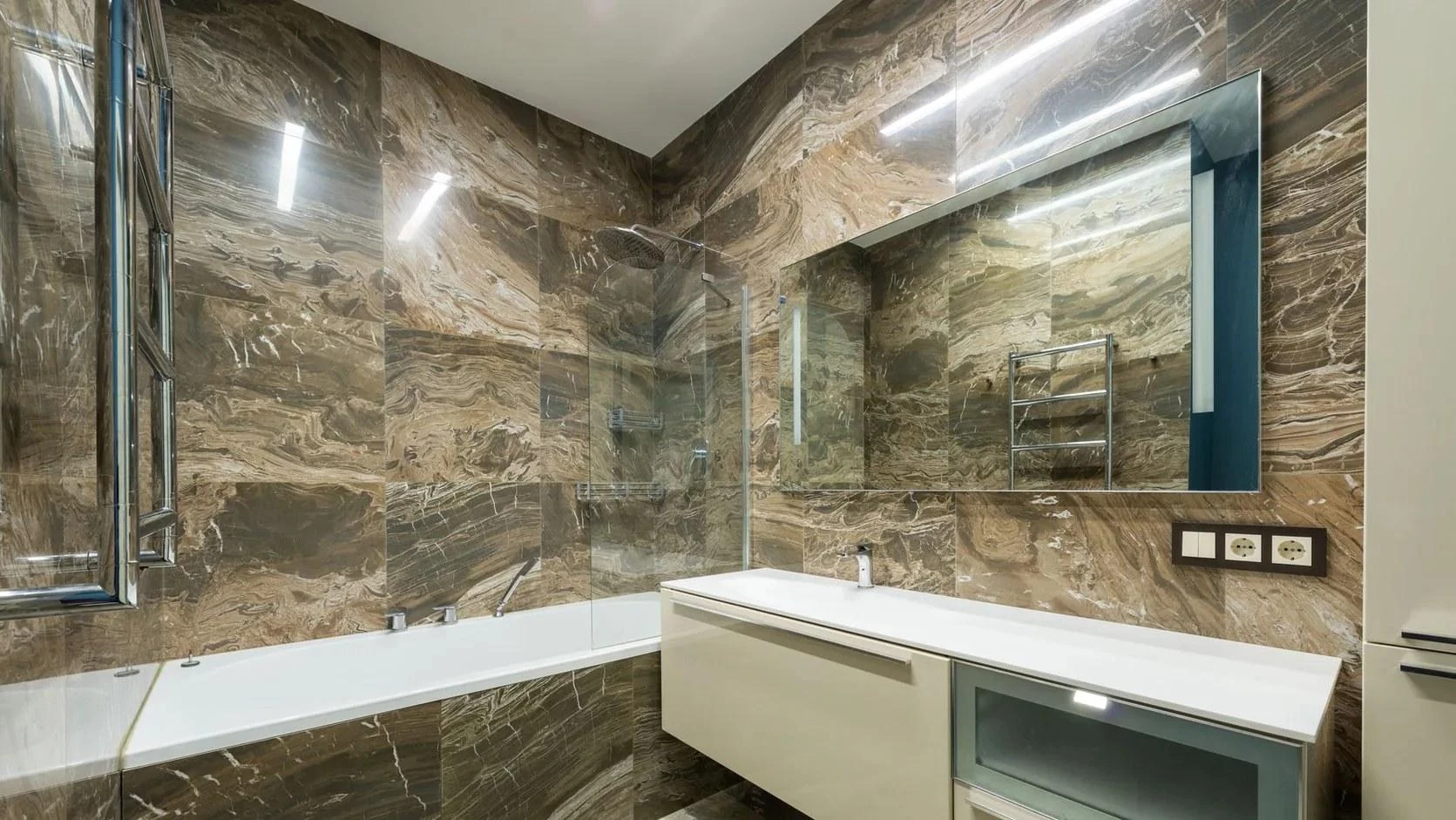
Ceramic tile is naturally water‑proof and tolerates high temperatures, making it a solid choice for Florida’s humid climate. [1] Expect to pay $3 to $6 per square foot for standard porcelain tiles, with installation adding $4‑$7 per sq ft.
Tile work benefits from a proper thinset mix. For Florida humidity, choose a polymer‑modified thinset with a 4 : 1 water‑to‑dry ratio, which improves adhesion and reduces shrinkage. Set tiles with a 1/16‑inch grout joint in wet areas and 1/8‑inch in dry zones to accommodate thermal expansion. After grouting, seal the grout lines with a penetrating sealant to prevent moisture infiltration and staining.
- Use a notched trowel (¼‑inch) for consistent thinset thickness.
- Allow the thinset to cure at least 24 hours before walking on the floor.
Tiles can last 20 years or more if grout is sealed regularly. They are ideal for entryways, bathrooms, and patios where water exposure is constant.
Best for: Rooms that see a lot of moisture or direct sunlight.
3. Engineered Hardwood
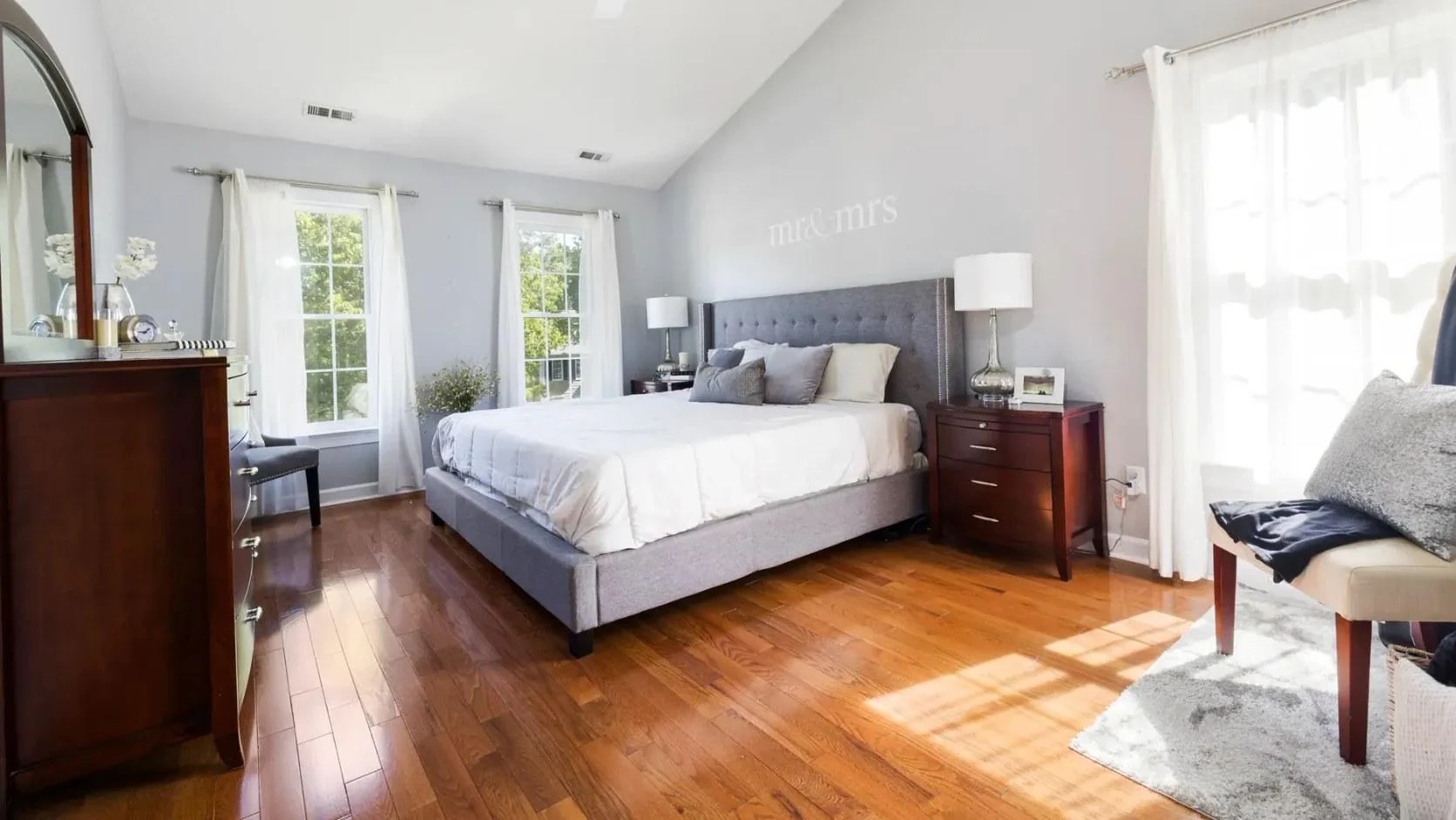
Engineered hardwood features a thin top layer of real wood over a stable plywood core, reducing expansion and contraction. [1] Prices fall between $4 and $7 per square foot, and many brands offer a floating installation that avoids nails.
Floating installations require an acclimation period. [3] Store the planks in the installation room for 48‑72 hours, allowing them to adjust to the indoor temperature and humidity (ideally 45‑55 % RH). Lay a vapor‑barrier film followed by a 3‑mm felt underlayment to dampen sound and provide extra moisture protection. When clicking the boards together, use a tapping block and rubber mallet to avoid damaging the tongue and groove.
- Maintain indoor humidity within a 40‑60 % range to minimize cupping.
- Re‑coat the surface with a water‑based polyurethane every 3‑4 years for added wear resistance.
With proper sealing, engineered hardwood can survive Florida’s humidity for 12‑20 years. It adds a warm, upscale feel to living rooms and bedrooms without the cost of solid hardwood.
Best for: Spaces where appearance matters but budget is tight.
Budget Flooring Comparison
The table below summarizes cost, lifespan, installation effort, and ideal rooms for each option.
Budget Flooring Comparison
| Option | Cost (per sq ft) | Lifespan | Installation Effort | Best For |
|---|---|---|---|---|
| Luxury Vinyl Plank | $2-$4 | 10-15 years | Low (click-lock) | Living rooms and kitchens |
| Ceramic Tile | $3-$6 | 20+ years | Medium (thinset) | Bathrooms and entryways |
| Engineered Hardwood | $4-$7 | 12-20 years | Medium (floating) | Bedrooms and formal areas |
Costs include material only; installation adds $3‑$7 per sq ft depending on labor rates.
Expert Insight: A seasoned flooring contractor will tell you that proper subfloor preparation is often the secret to a long‑lasting install, especially in humid climates.
Additional Tips for Choosing Budget Flooring
Check Moisture Ratings
Look for a water‑resistance rating of 0.5 % absorption or lower. This ensures the floor won’t swell in humid rooms.
Consider Underlayment
A good underlayment adds sound dampening and extra moisture protection, often for just $0.30‑$0.50 per sq ft.
Shop Local Discount Centers
Florida home‑improvement stores frequently run clearance sales on LVP and tile, cutting material costs by up to 30 %.
Plan for Expansion Gaps
Leave a ¼‑½ inch gap at walls to allow the floor to expand in summer heat; this prevents buckling.
Get Samples First
Order small samples and place them in a sunny spot for a week. You’ll see how the color holds up before buying bulk.
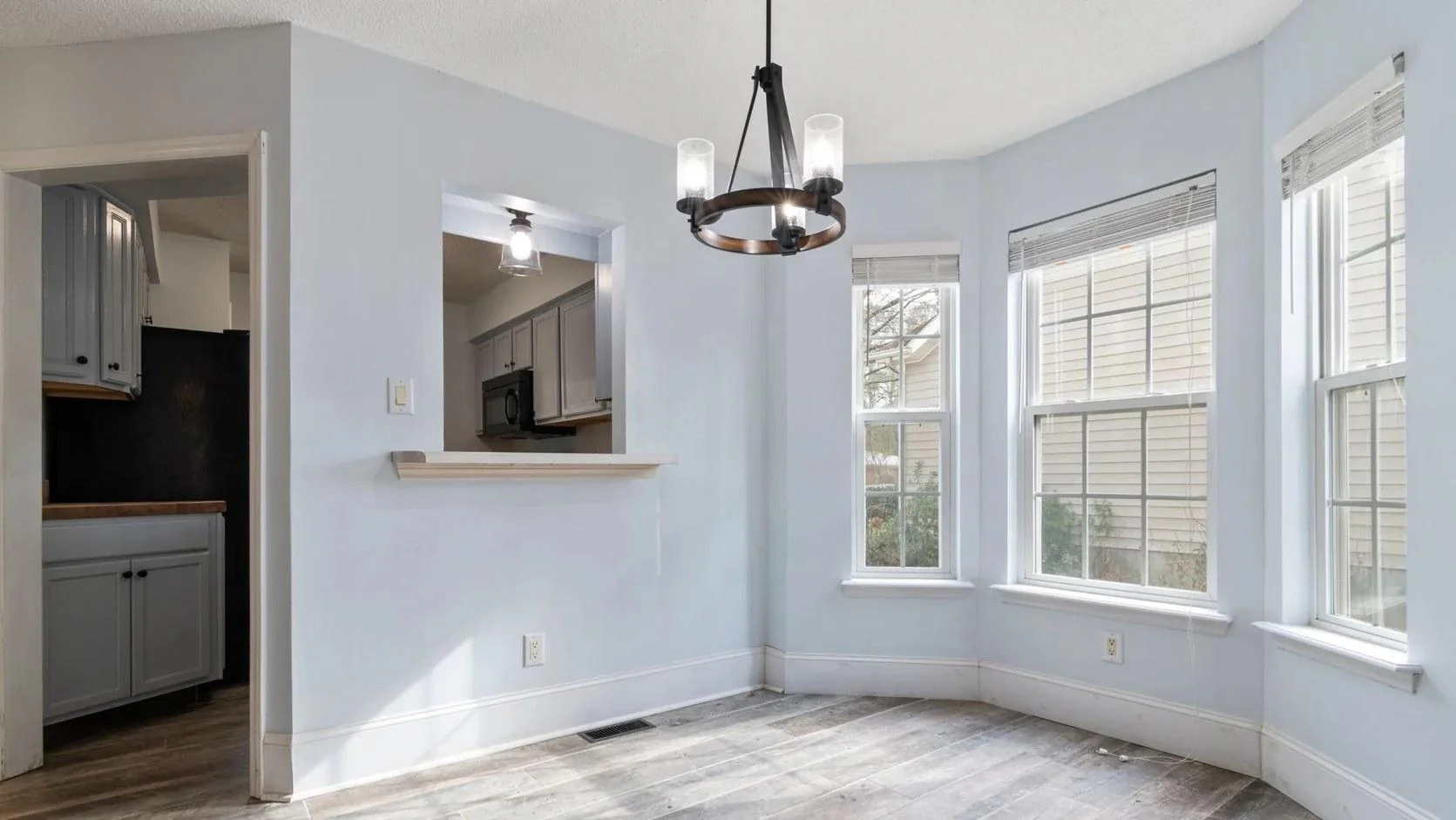
Pro Tip: Install a vapor barrier under any floor in basements or crawl spaces to protect against hidden moisture.
Conclusion
Choosing the best budget flooring for Florida homes means balancing cost, durability, and climate resistance. Luxury vinyl plank, ceramic tile, and engineered hardwood each meet those criteria in different ways.
By comparing prices, lifespan, and installation effort, you can pick the option that fits your budget and style while standing up to heat and humidity.
Frequently Asked Questions
Luxury vinyl plank (LVP) is one of the most budget-friendly choices in this guide, typically priced at $2–$4 per square foot for materials. It offers a wood-like appearance and water resistance.[1]
Yes. LVP is water-resistant and is a practical choice for kitchens, bathrooms, and sun-exposed living rooms. Proper subfloor preparation and expansion gaps remain important.[1][2]
With proper care, LVP may last about 10–15 years, engineered hardwood around 12–20 years, and ceramic tile 20 years or more.
Ceramic tile is a strong option for areas with frequent water exposure, such as bathrooms and entryways. LVP is also water-resistant, so consider room use, installation, and budget.[1]
References
1. Flooring Clarity (n.d.). Best Flooring Types for Florida Homes? Prices, Installation Cost, Pros and Cons. https://www.flooringclarity.com/best-flooring-types-for-florida-homes/
2. Flooring Clarity (n.d.). What Is the Best Flooring for Humid Climates? https://www.flooringclarity.com/what-is-the-best-flooring-for-humid-climates/
3. This Old House (n.d.). How to Install a Floating Engineered Wood Floor. https://www.thisoldhouse.com/flooring/how-to-install-a-floating-engineered-wood-floor
Subscribe to our newsletter
Our bi-weekly newsletter full of inspiration, podcast, trend and news.