Bathroom • 2026-11-16
Bathroom Remodel Tax Deduction: How to Save on Your Renovation
Planning a bathroom remodel and wondering if any of it is tax deductible? This guide explains when renovation costs can lower your tax bill, from medical accessibility upgrades to home improvements that reduce capital gains when you sell.
Compare the main tax paths side by side and learn which paperwork you need to support each claim. You’ll also get practical tips on record keeping, timing your project, and when to speak with a tax professional.
Subscribe to our newsletter
Our bi-weekly newsletter full of inspiration, podcast, trend and news.
Bathroom Remodel Tax Deduction: How to Save on Your Renovation
Are you planning a bathroom remodel and wondering if you can get any tax relief? The bathroom remodel tax deduction can turn part of your expense into a tax benefit.
Understanding how the deduction works can help you budget better and avoid surprises when you file your return.
Quick Answer: You can deduct up to $3,000 of qualified bathroom remodel costs if the total expense is $10,000 or less, and you must itemize on Schedule A. The deduction applies to improvements that add value, extend the life of the space, or adapt it for medical reasons.
What Is Bathroom Remodel Tax Deduction?
A bathroom remodel tax deduction is a reduction in taxable income for eligible renovation expenses. It includes medical‑related upgrades, energy‑efficient improvements, and cost additions that raise the home’s basis, and it is available to homeowners who itemize deductions.
Key Ways to Claim a Bathroom Remodel Tax Deduction
The IRS allows several paths to a deduction. Choose the one that matches your project and financial situation.
1. Medical Accessibility
If you add grab bars, a wheelchair‑accessible shower, or raise the toilet height for a medical condition, the cost is considered a medical expense. You can deduct the portion that exceeds 7.5% of your adjusted gross income.[1]
For the medical portion, calculate the deductible amount after you exceed the 7.5% AGI threshold. For example, if your AGI is $80,000, 7.5% equals $6,000. A $4,500 upgrade would not be deductible unless you have other medical expenses that push the total above $6,000. If you also spent $2,000 on a wheelchair‑accessible shower, the combined $6,500 exceeds the threshold, allowing a $500 deduction.
Document the condition with a letter from a licensed physician that specifies the required modifications. Keep the letter with receipts and a copy of the insurance claim, if any, to prove the expense was not reimbursed.
Keep a doctor's note and receipts for each item. The deduction is limited to the amount that is not covered by insurance.
Best for: Homeowners with a documented disability or medical need.

2. Energy‑Efficient Upgrades
Installing low‑flow fixtures, LED lighting, or a high‑efficiency water heater can qualify for the Residential Energy Efficient Property Credit. The credit is 10% of the cost, up to $500 per year.
The residential energy credit applies to qualified equipment installed after 2022. If you replace a standard 2.5‑gallon per minute faucet with a low‑flow model costing $250, the credit is 10%, or $25. For a high‑efficiency water heater priced at $1,800, the credit would be $180, but it caps at $500 per tax year.
Retain the ENERGY STAR certification label and the manufacturer’s statement of compliance. The IRS may request these documents during an audit, and they also help you verify that the product meets the required efficiency standards.
Make sure the product has an ENERGY STAR label and retain the manufacturer’s certification.
Best for: Those who want to lower utility bills while gaining a credit.

3. General Home Improvement
Standard remodel work—new tile, vanity, plumbing, or lighting—does not qualify for a direct credit, but you can add the expense to your home’s basis. When you sell, the added basis reduces capital gains tax.[2]
When adding the remodel cost to your home’s basis, keep a detailed ledger. List each item, its cost, and the date of installation. For instance, a $7,200 vanity, $3,500 tile work, and $2,000 plumbing upgrades total $12,700. This amount increases your adjusted basis, which reduces taxable capital gains when you sell.
Separate costs that are purely cosmetic from those that improve structural integrity. Only the latter can be added to basis. If you later replace the vanity, the original cost is subtracted, and the new expense is added.
Track all invoices and keep them for at least three years after the sale.[2]
Best for: Homeowners planning to sell within the next few years.
Comparison of Bathroom Remodel Tax Benefits
Below is a quick view of how each option stacks up in cost, lifespan, effort, and best use case.
Comparison of Bathroom Remodel Tax Benefits
| Option | Typical Cost | Benefit Amount | Effort Level | Best For |
|---|---|---|---|---|
| Medical Accessibility | $1,500–$5,000 | Deduction up to 7.5% of AGI | Medium – need medical docs | Disability needs |
| Energy-Efficient Upgrades | $500–$3,000 | 10% credit, max $500 | Low – simple installs | Utility savings |
| General Home Improvement | $5,000–$15,000 | Basis increase, future capital gains | High – full remodel | Future resale |
Figures are based on typical contractor quotes and IRS guidelines.
Expert Insight: Seasoned remodel contractors often see clients miss out on deductions simply because they forget to request a doctor’s note for accessibility upgrades. Keeping that paperwork from the start saves time and money.
Additional Tips to Maximize Your Deduction
Keep Detailed Records
Save every receipt, contract, and proof of payment. Digital scans are acceptable as long as they are clear and dated.
Separate Personal and Medical Costs
Only the portion directly related to a medical need is deductible. If a fixture serves both purposes, allocate costs proportionally.
Check State Incentives
Some states offer extra credits for water‑saving fixtures. Look up your state’s department of revenue website for details.
Plan Timing Carefully
Complete the remodel before December 31 to claim the deduction on that year’s return. Delays can push benefits to the next tax year.
Consult a Tax Professional
A CPA can verify eligibility and help you avoid common pitfalls, such as double‑counting the same expense.
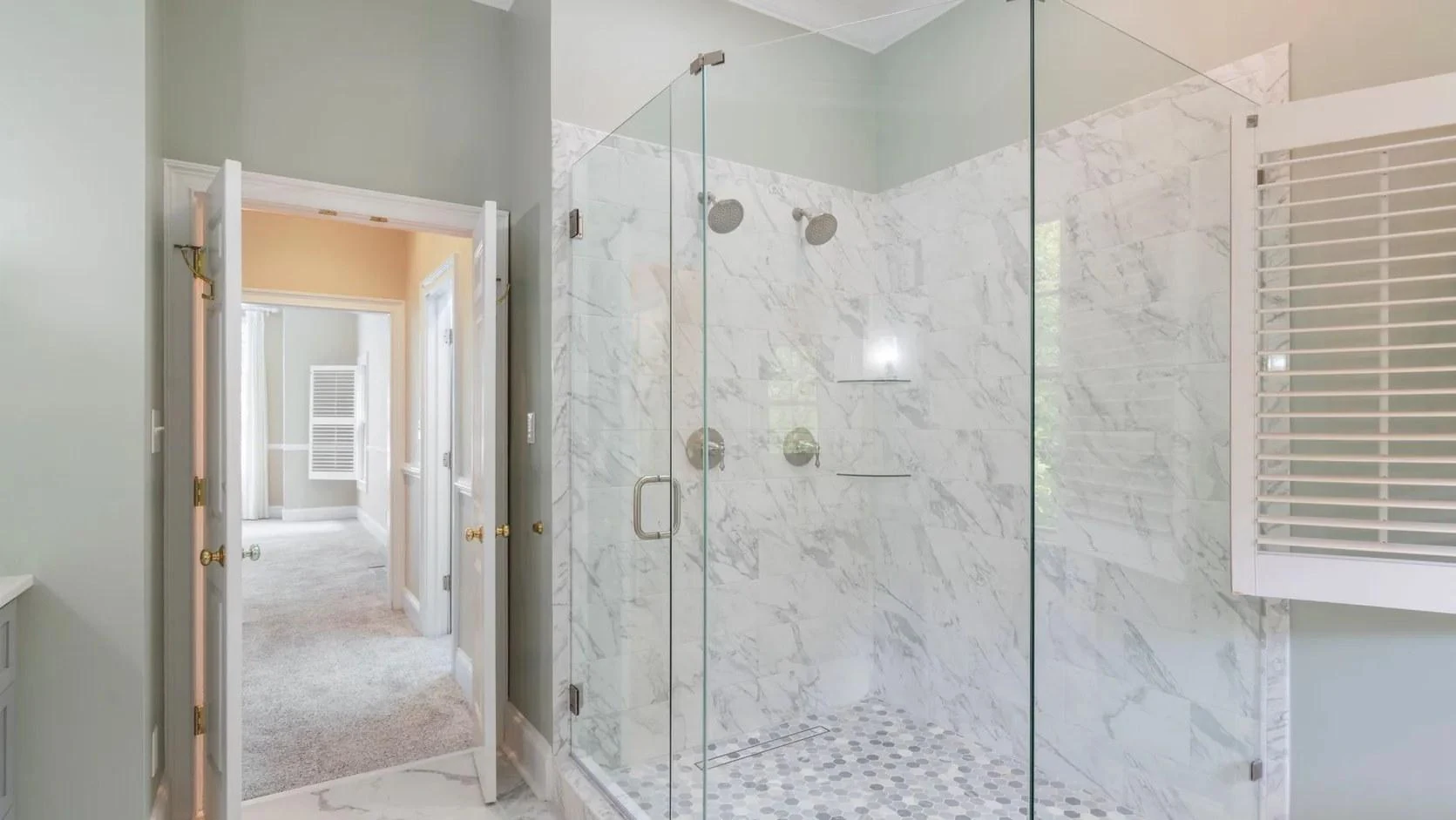
Pro Tip: If you combine a medical accessibility upgrade with an energy‑efficient fixture, you may qualify for both a medical deduction and a credit, effectively stacking benefits.
Conclusion
A bathroom remodel can improve comfort and home value, and with the right knowledge, it can also lower your tax bill. Review each option, gather the required documentation, and choose the path that aligns with your goals.
Remember that tax rules change, so stay updated each year and consider professional advice to keep your savings on track.
Frequently Asked Questions
It depends on the type of project. A remodel done mainly for medical reasons, such as adding grab bars or a wheelchair-accessible shower, may count as a medical expense, but only if you itemize and only the part above 7.5% of your adjusted gross income is deductible. Other remodel costs can usually be added to your home’s basis, which can lower the taxable gain when you sell.
Keep a letter from a licensed physician that lists the required modifications, along with receipts for each item. Also keep records of any insurance reimbursement, because only the amount that was not reimbursed can be counted.
Your basis is the starting figure used to work out your gain when you sell. Qualifying improvements increase it, which reduces the taxable gain, so keep a ledger of each item, its cost, and the installation date.
Yes. Tax rules change, and a CPA can confirm whether your project qualifies, help you avoid counting the same expense twice, and tell you which records to keep.
References
Internal Revenue Service (n.d.). Publication 502: Medical and Dental Expenses. https://www.irs.gov/node/41716
Nolo (2025). Tax Reasons to Keep Good Records of Home Improvements. https://www.nolo.com/legal-encyclopedia/tax-reasons-keep-good-records-home-improvements.html
Subscribe to our newsletter
Our bi-weekly newsletter full of inspiration, podcast, trend and news.