
Explore All
BROWSE BY CATEGORY
Interior
Exterior
Home Essentials
Homeowner Tools
Blogs & Guides
Find a Pro
Book Your Appointment Now
Home Essentials
About Renovize Home
Explore All
BROWSE BY CATEGORY
Interior
Exterior
Home Essentials
Homeowner Tools
Blogs & Guides
Find a Pro
Book Your Appointment Now
Home Essentials
About Renovize Home
Last Updated 2025-12-19
Moisture and pest damage can seriously compromise the integrity of your siding, leading to structural issues and potential safety risks. Repairing this damage not only restores your home’s exterior but also prevents further problems like mold growth, wood rot, and pest infestations.
By addressing these issues promptly, you protect your home from the elements and maintain its long-term durability. Whether dealing with small cracks, rot, or pest damage, repairing and reinforcing your siding ensures that your home remains structurally sound and secure for years to come.
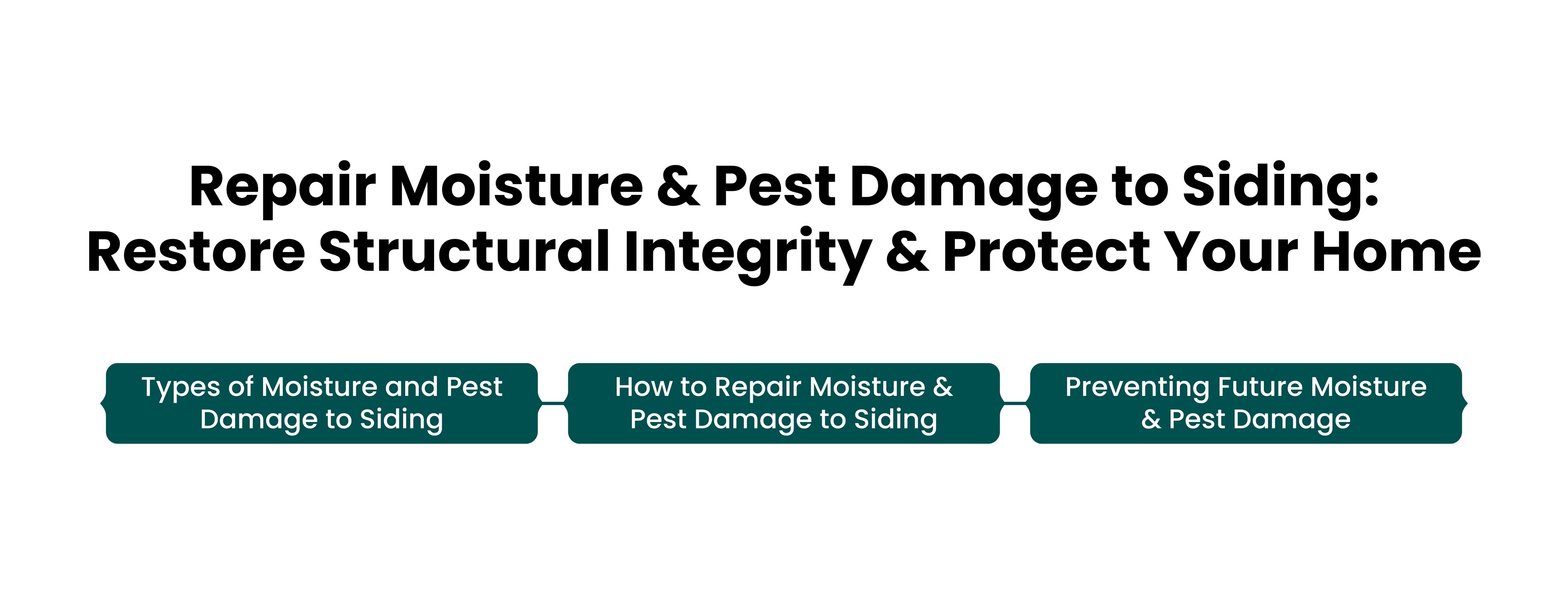
Table of Contents
Types of Moisture and Pest Damage to Siding
How to Repair Moisture and Pest Damage to Siding
Preventing Future Moisture and Pest Damage
Final Thoughts
Moisture and pest damage to siding can lead to major structural problems if not addressed promptly. Understanding the various types of damage caused by moisture and pests is essential for preventing further deterioration. Below, we break down the key types of damage:
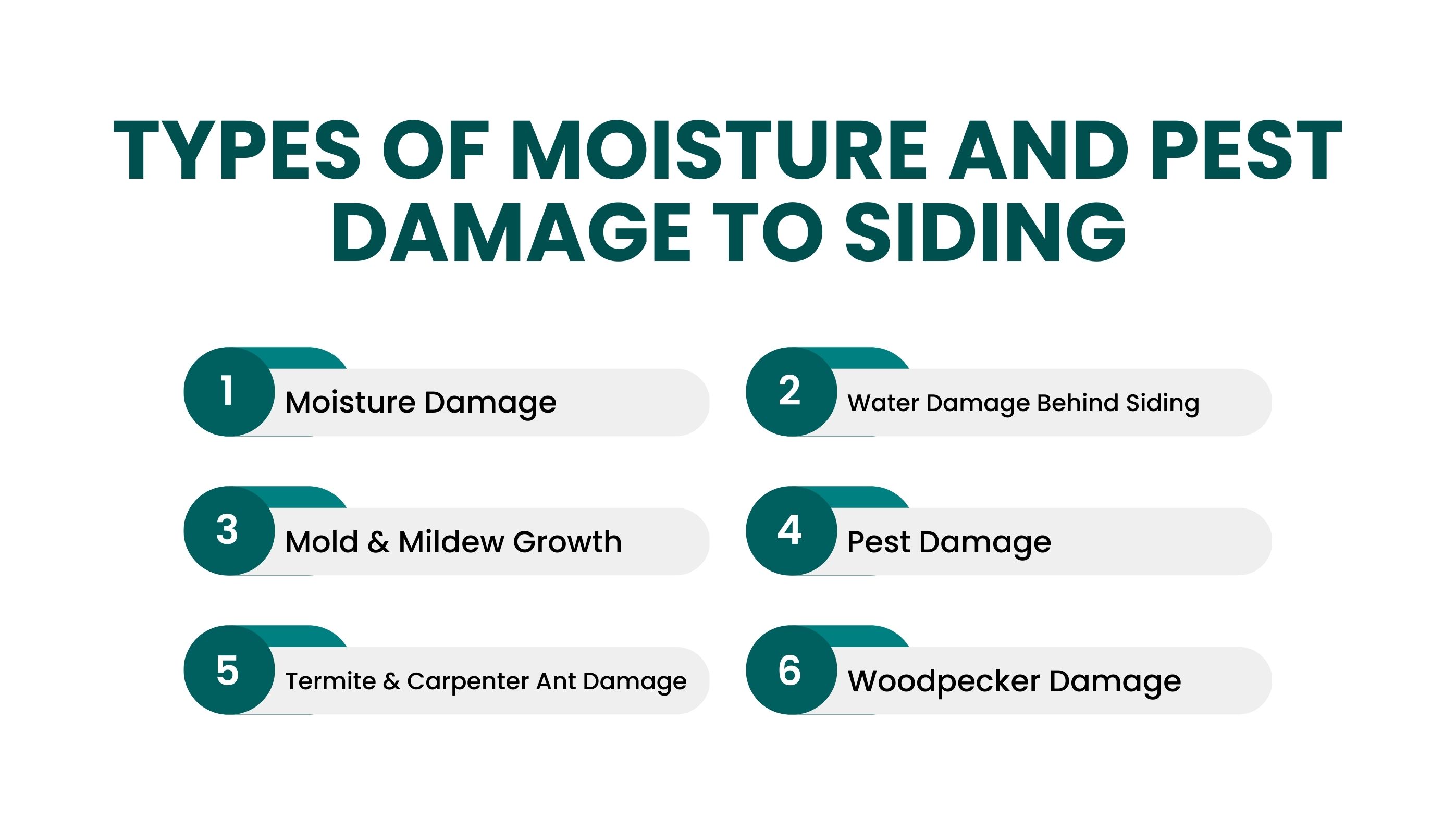
Moisture damage occurs when water infiltrates the siding, causing deterioration over time. Common causes include heavy rainfall, clogged gutters, and poor drainage around the home. When water is trapped behind the siding or accumulates on the surface, it can result in a number of issues.
Moisture damage can cause wood to rot, weaken the siding's protective barrier, and promote the growth of mold and mildew. These effects degrade both the aesthetic and structural integrity of the siding, leaving the home vulnerable to additional water damage. The longer the exposure, the more severe the damage becomes, potentially leading to costly repairs.
Water damage isn't always visible on the surface of the siding, but it can infiltrate behind the siding and affect the walls of the home. Moisture trapped behind siding can slowly rot the wall studs, sheathing, and even the internal structure of the home. This type of damage can remain hidden for a long time, making it particularly dangerous.
When moisture seeps behind the siding, it creates an environment for mold and mildew to grow, which can also cause health hazards for the inhabitants. Additionally, if left unaddressed, the water damage can spread rapidly and compromise the entire structural integrity of the house, requiring significant and expensive repairs.
Mold and mildew thrive in damp conditions, often growing in hidden spaces behind siding. These fungi feed on organic materials like wood, causing the siding to weaken and degrade. As mold and mildew spread, they can cause more severe structural damage and even infiltrate the home's interior.
Besides the physical damage they cause to siding, mold and mildew emit unpleasant odors that can affect the air quality in the home. They also pose potential health risks, especially to those with respiratory issues. Treating mold and mildew early is essential to prevent further damage and ensure a healthy living environment.
Pests like termites, carpenter ants, and woodpeckers can inflict serious damage to siding. Termites and carpenter ants burrow into wooden siding, feeding on the material and causing it to weaken. Woodpeckers create holes in siding, which allow moisture and other pests to penetrate.
The damage caused by pests can compromise the structural integrity of the siding, making it more susceptible to water infiltration and mold growth. In some cases, pest damage may extend beyond the siding, affecting the home's underlying framing and insulation, leading to even more extensive repairs.
Repairing moisture and pest damage is essential to maintain your siding’s structural integrity and protect your home from further issues. Whether it’s replacing rotted sections or filling holes left by pests, taking action promptly can prevent more extensive damage down the line. Here’s a step-by-step guide to fixing both moisture and pest damage:
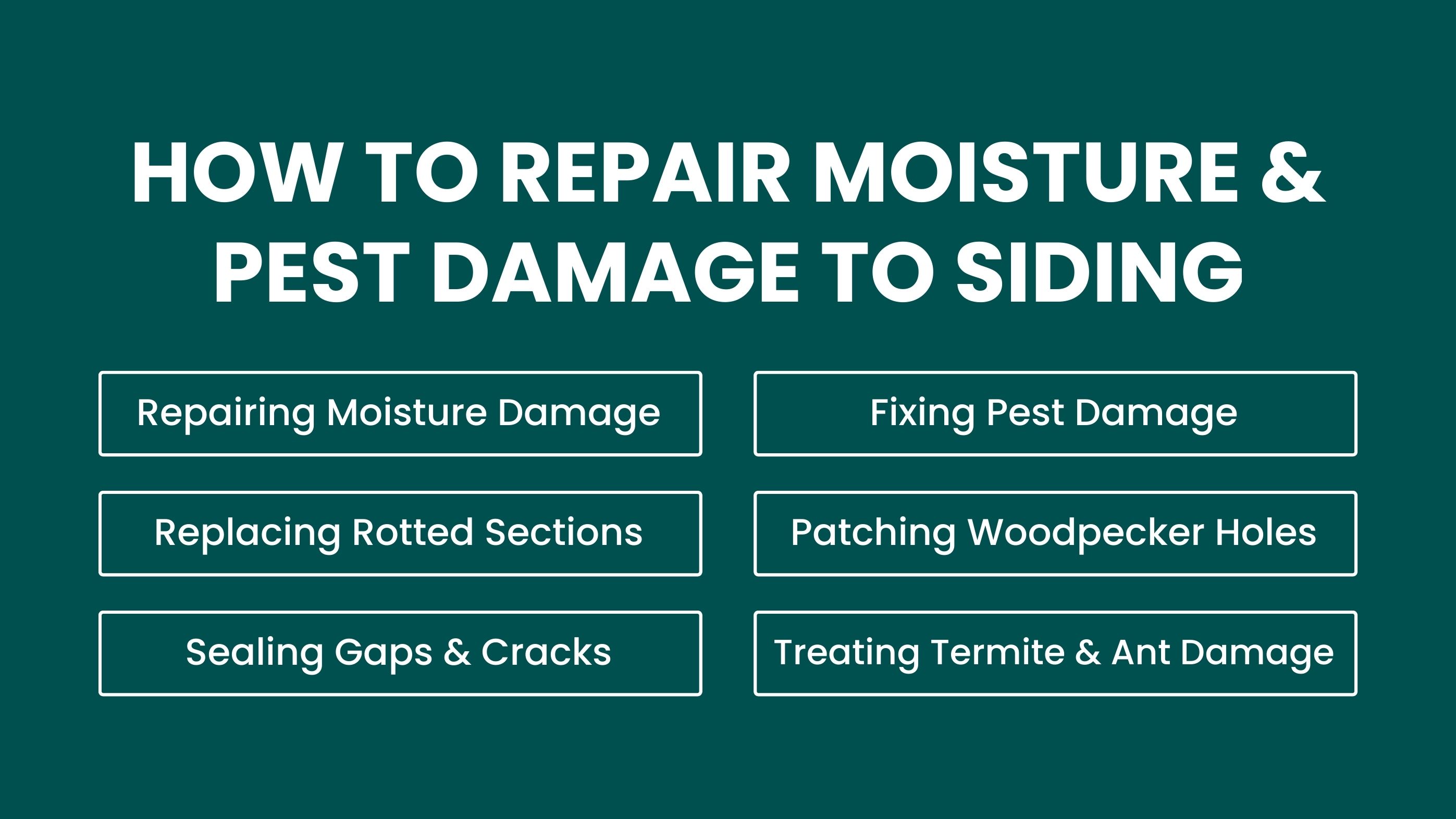
Moisture damage is one of the most common issues affecting siding. Over time, water can infiltrate the material, causing rot, mold, and even compromising the structural integrity of your home. Addressing moisture damage promptly can save you from extensive repairs and preserve your home’s exterior.
When moisture causes significant damage, it’s often best to replace the affected siding sections. Replacing rotted or warped panels is more effective than patching, which may only delay the inevitable. Timely replacement ensures that your home remains protected from the elements.
Replacing the sections rather than patching them ensures no hidden damage is left behind and that the integrity of your siding is maintained.
Small gaps and cracks in your siding may seem like a minor issue, but they can lead to significant moisture penetration. Sealing these cracks effectively prevents further water infiltration, saving you from more expensive repairs.
By sealing gaps, you reduce the chances of moisture creeping behind the siding and causing further damage.
Pests, such as termites, ants, and woodpeckers, can cause significant harm to your siding. They weaken the material, create entry points for more pests, and may even compromise the structure of your home. Quick intervention is necessary to preserve your siding’s strength and prevent ongoing infestations.
Woodpeckers are notorious for drilling holes in siding, which can lead to water penetration and attract pests. It’s essential to repair these holes quickly to avoid further damage.
This ensures that moisture and pests cannot further infiltrate your home.
Termites and carpenter ants are two of the most destructive pests when it comes to siding. They can burrow into the material, weakening its structure and leading to significant long-term issues. Addressing both the damage and the infestation is critical.
Make sure to schedule regular inspections to catch any future pest issues before they cause significant damage.
Once you’ve repaired the moisture and pest damage to your siding, it’s crucial to implement preventative measures to avoid future issues. Regular maintenance and protective measures will help safeguard your home against recurring damage. Here are some essential tips for preventing further moisture and pest damage:
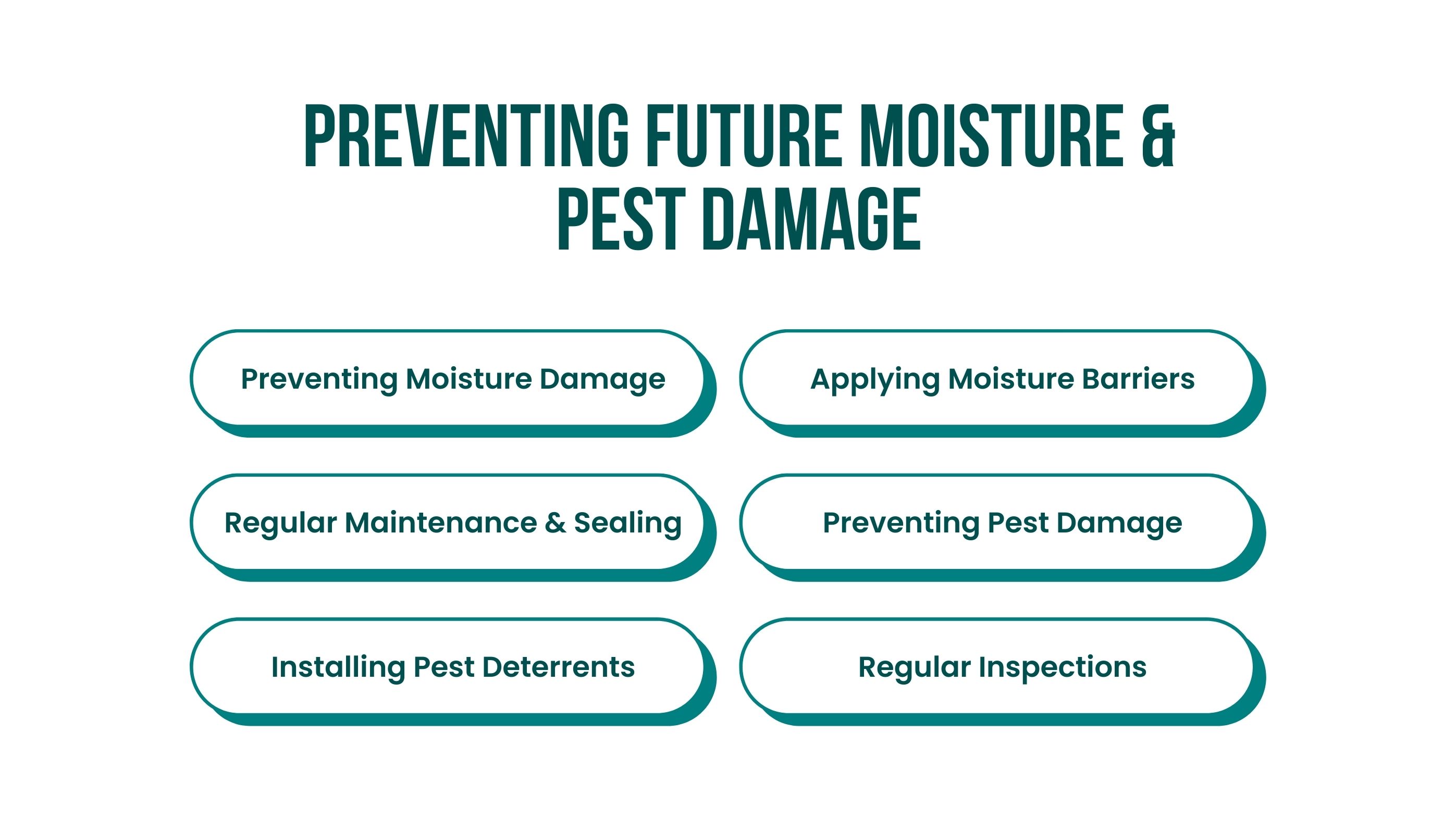
Moisture damage is one of the leading causes of siding deterioration, and preventing it can significantly extend the lifespan of your exterior. Sealing and maintaining your siding properly is the first step to ensure water stays out.
A moisture-resistant layer, installed behind the siding, can act as an extra line of defense against water infiltration. This barrier helps protect the structure of your home from moisture damage and prevents water from seeping into the walls. It is especially effective in areas with heavy rainfall or high humidity.
Maintaining the joints, seams, and edges of your siding is crucial for preventing water penetration. Regularly resealing these areas helps ensure that no moisture can get behind the siding. Be sure to inspect and reseal caulking or weatherproofing seals every few years to maintain optimal protection.
Pests such as termites, ants, and woodpeckers can significantly damage your siding over time if not properly managed. By using the right deterrents and conducting regular inspections, you can stop pests before they cause any lasting damage. Proactive measures are key to keeping your home protected from unwanted intruders.
Taking preventive action can help keep pests away from your siding. Installing bird spikes or using reflective tape can deter woodpeckers, while caulking gaps and applying pest-repellent treatments can prevent termites and ants from making your siding their home. These deterrents create a protective barrier that reduces the chances of pest infestations and damage.
Regular inspections allow you to catch early signs of pest damage before it becomes more extensive and costly. Look for small holes, tunnels, or signs of woodpecker pecking, and check for any visible insects or nests. By inspecting your siding periodically, you can address any issues promptly and prevent bigger problems down the road.
When dealing with moisture and pest damage repairs, the costs can vary depending on the severity of the damage and the type of repair needed. Here's a breakdown of the costs involved for different types of repairs:
Labor costs for siding repairs depend on the extent of the damage, the type of repair required, and the materials used. Here’s how costs typically break down:
| Repair Type | Labor Cost Range | Details |
|---|---|---|
| Repairing Minor Moisture or Pest Damage | $50–$75 per hour | Small repairs such as sealing cracks or replacing small sections of siding. |
| Replacing Entire Sections | $70–$120 per hour | Major repairs, including removing damaged siding and replacing or treating the underlying structure. |
Repairing moisture damage usually involves removing rotted or damaged sections, treating any mold or mildew, and replacing the siding. The labor cost can vary based on the severity of the damage:
| Repair Type | Labor Cost Range | Details |
|---|---|---|
| Moisture Damage Repairs | $75–$120 per hour | Removing damaged siding, treating the structure, and installing new siding to prevent further moisture damage. |
Pest damage repairs may require pest control treatments in addition to replacing the damaged siding. This makes the repairs more expensive than minor moisture damage repairs:
| Repair Type | Labor Cost Range | Details |
|---|---|---|
| Pest Damage Repairs | $80–$150 per hour | Includes pest control treatments (such as termite or ant treatments) and replacing damaged siding. |
The material costs for siding repairs vary depending on the type of damage, the materials required, and the size of the repair. Below is a breakdown of the material costs for both moisture and pest damage repairs.
| Material Type | Cost Range | Details |
|---|---|---|
| Waterproofing and Patching Materials | $5–$15 per square foot | Includes sealants, caulking, and moisture barriers to prevent further damage. |
| Replacement Panels | $2–$10 per square foot | Depending on the material (vinyl, wood, fiber cement, etc.), the cost varies. |
For moisture damage, the cost will depend on whether you are simply sealing gaps or replacing damaged sections of siding. Here’s what you can expect:
| Material Type | Cost Range | Details |
|---|---|---|
| Sealants and Caulking | $2–$4 per tube | Used to fill small gaps or cracks to prevent water penetration. |
| Rotted Wood Replacement | $3–$8 per square foot | For replacing sections of rotted wood siding. |
| Vinyl Replacement Panels | $2–$5 per square foot | Cost for replacing damaged vinyl siding with matching panels. |
When dealing with pest damage, there are additional costs for treating the infestation and replacing damaged sections of siding. Here’s a breakdown of the materials:
| Material Type | Cost Range | Details |
|---|---|---|
| Pest Control Treatments | $100–$500 (depending on infestation size) | Includes chemical treatments or pest control services for termites or ants. |
| Wood or Vinyl Replacement | $3–$8 per square foot | Cost of replacing siding panels damaged by termites, ants, or other pests. |
| Sealants and Caulking | $2–$4 per tube | To seal small gaps and cracks to prevent future infestations. |
Repairing moisture and pest damage to your siding is essential for maintaining the integrity of your home and preventing further issues. Whether it’s replacing rotted sections, sealing gaps, or treating pest infestations, timely repairs ensure that your siding continues to protect your home from the elements.
By taking a proactive approach to maintenance and repairs, you can avoid extensive damage and safeguard your home’s value and appearance for years to come. Regular inspections and preventive measures, such as moisture barriers and pest deterrents, will help ensure your siding remains in excellent condition and performs effectively.
Repair moisture damage by replacing rotted sections, sealing cracks, and applying moisture barriers to prevent further water intrusion.
Fill holes with caulk or wood filler, replace damaged sections, and treat the area for pests to prevent future infestations.
Yes, insurance typically covers moisture and pest-related damage, but it’s important to check the specifics of your policy.
Regularly reseal seams, use moisture barriers, and ensure proper installation to prevent water from entering behind the siding.
Install bird spikes or reflective materials, and quickly patch any holes to prevent woodpeckers from causing further damage.
Join our mailing list for exclusive updates, expert tips, and special offers tailored to your needs. Be the first to know about the latest in home services.
Renovize Home is a platform that supports homeowners from planning to renovation. Whether it’s Renovize AI for guidance or a one-on-one call with Pro Finder, we understand your project and match you with local contractors tailored to your needs.
Who We Are
About Renovize HomeGet in TouchHomeownwer Support:
Coming Soon!
General Inquiries:
support@renovizehome.com
Head Office:
24 Greenway Plaza, STE 1800M, Houston, TX 77046.