
Explore All
BROWSE BY CATEGORY
Interior
Exterior
Home Essentials
Homeowner Tools
Blogs & Guides
Find a Pro
Book Your Appointment Now
Home Essentials
About Renovize Home
Explore All
BROWSE BY CATEGORY
Interior
Exterior
Home Essentials
Homeowner Tools
Blogs & Guides
Find a Pro
Book Your Appointment Now
Home Essentials
About Renovize Home
Last Updated 2026-01-20
A boiler leaking water is a common issue that many homeowners face, and it can arise due to various factors. When water starts leaking from a boiler, it can signal a more significant issue that needs immediate attention to avoid damage to your home and the boiler system. From simple problems like a faulty valve to more complex issues like a cracked heat exchanger, identifying the cause of the leak is essential for finding the appropriate solution.
This blog will guide you through the most common causes of boiler leaks, from pressure relief valves to damaged pipes. You’ll also learn how to fix minor leaks yourself and when to call a professional to handle more severe issues. Whether your boiler is leaking from underneath, when heating is on, or you’ve noticed water collecting around the unit, this guide will help you understand the problem, take the right action, and prevent further damage to your heating system.
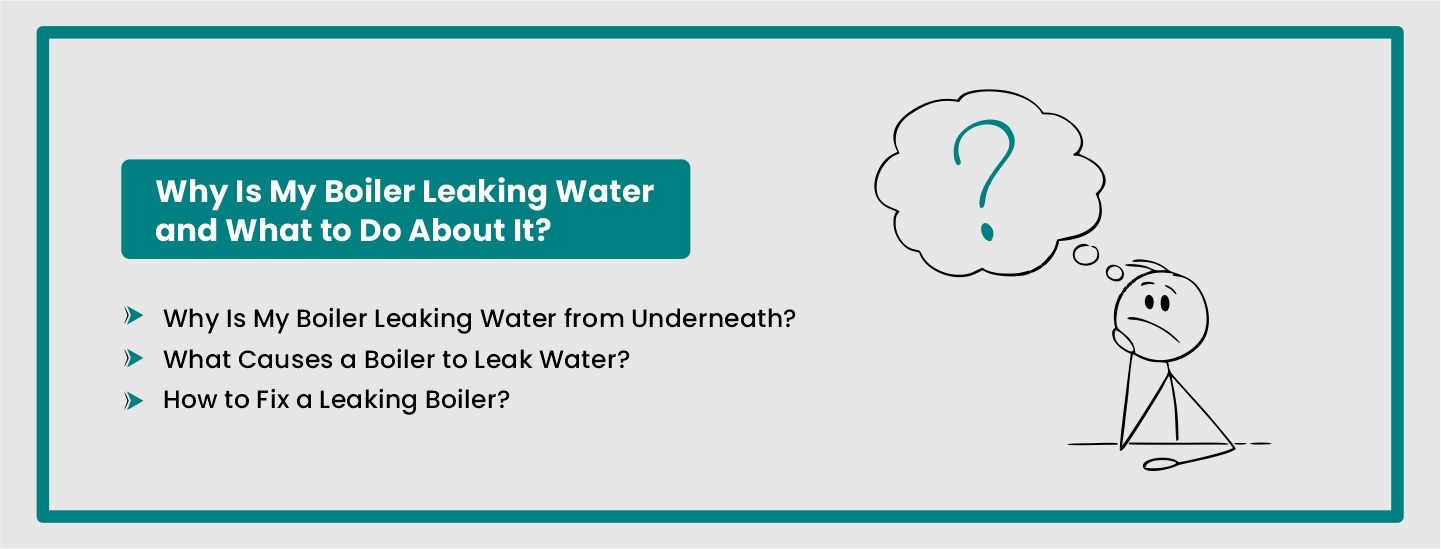
Table of Contents
Can a Boiler Leak Water and Is It Normal?
Why Is My Boiler Leaking Water from Underneath?
What Causes a Boiler to Leak Water?
How to Fix a Leaking Boiler?
When Should You Call a Professional for Boiler Leak Repair?
Common Boiler Leak Repair Solutions
Boiler Leak Repair Costs
Final Thoughts
Understanding whether your boiler leaking water is normal or a sign of a deeper issue is essential for determining the best course of action. In some cases, minor water leakage is a normal occurrence, while in others, it can indicate a serious problem that requires immediate attention.
Yes, a boiler can leak water under certain circumstances. In some situations, this can be normal, especially when:
Water leaking from underneath the boiler is often a sign of a more serious issue. Common causes include:
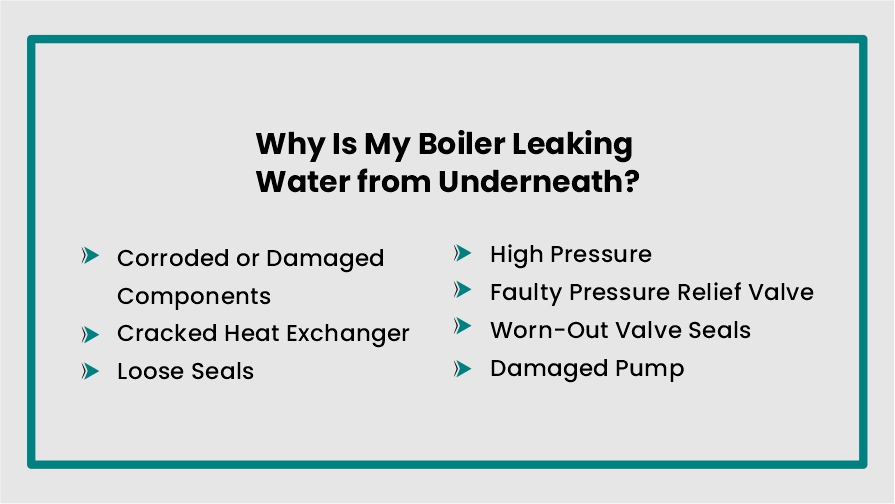
If your boiler leaks water while heating, it may indicate one of the following problems:
A leaking boiler can result from several underlying causes, and pinpointing the source is essential to determining the correct fix. By diagnosing the issue accurately, you can avoid costly repairs and maintain system efficiency.
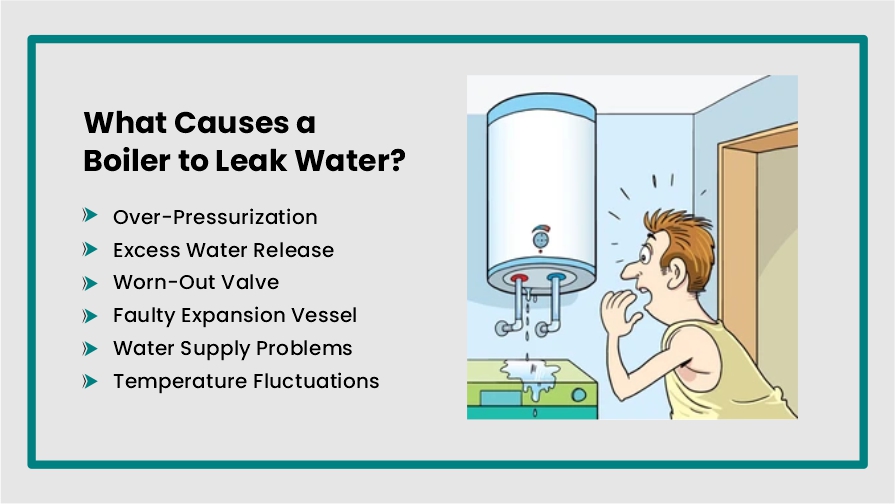
One of the most common reasons a boiler leaks water is due to the pressure relief valve. Here's why it happens:
Boiler valve leaks are often caused by corrosion or wear. Here’s how they affect the system:
Corrosion, physical damage, and wear can also lead to leaks in the pipes and joints of your boiler system:
Another potential source of boiler water leakage is the condensate pipe. Here's how to spot issues:
If your boiler is leaking water, it’s crucial to take the necessary steps to fix the problem before it leads to further damage or a complete system failure. Depending on the cause of the leak, repairs may be simple or more involved. Here's how to address common issues.
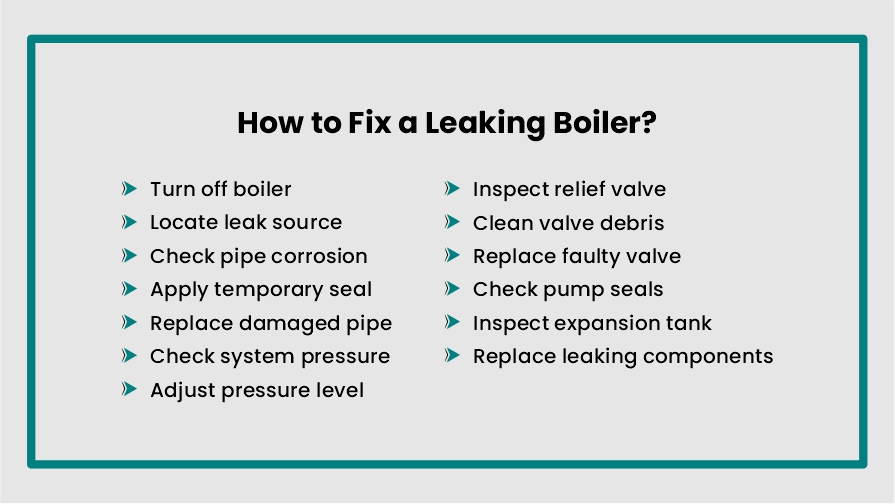
Boiler pipes can leak due to corrosion, wear, or improper installation. Locating and addressing these leaks quickly is essential to prevent further damage to the system and avoid water damage to surrounding areas. Here's how to deal with a leaking boiler pipe.
The boiler pressure relief valve plays a critical role in maintaining safe pressure within the system. If the valve leaks, it’s usually due to excessive pressure or a malfunctioning valve. Fixing this issue requires either adjusting the pressure or replacing the valve entirely. Steps for fixing a leaking boiler pressure relief valve:
Leaks can occur in various parts of the boiler, including the pump, expansion tank, or valves. These issues may be due to wear, corrosion, or blockages. Repairing these components is necessary to restore the system’s efficiency and prevent further leakage.
While some minor leaks can be fixed with DIY methods, certain boiler issues require professional expertise. If the leak is persistent, coming from a complex internal part, or causing damage beyond your control, it’s best to call in a certified technician to ensure the problem is resolved safely and effectively.
If you choose to hire a professional, here’s a general cost breakdown:
| Type of Repair | Average Cost Range |
|---|---|
| Pressure Relief Valve Repair | $100 – $300 |
| Boiler Pipe Repair | $150 – $500 |
| Expansion Tank Replacement | $250 – $600 |
| Full Boiler Valve Replacement | $300 – $800 |
| Full Boiler System Inspection | $100 – $200 |
If your boiler is leaking heavily, causing a significant drop in pressure, or you're unable to locate the source of the leak, it's time to call a professional. Boiler leak repairs often require specialized tools and expertise to ensure the issue is resolved safely and effectively. Ignoring these problems could lead to more extensive damage and higher repair costs.
The cost of repairing a leaking boiler can vary depending on the severity of the issue, the type of repair needed, and the region you're in. Here's a breakdown of common repair scenarios and their associated costs:
| Repair Issue | Cost Range | Details |
|---|---|---|
| Minor Leak (Valve, Pipe, etc.) | $150 – $500 | Fixing small leaks or replacing parts like valves. |
| Pressure Relief Valve Replacement | $300 – $600 | Replacing a damaged or malfunctioning relief valve. |
| Major Leak (Internal Components) | $500 – $1,500+ | Replacing damaged internal parts or repairing major internal leaks. |
| Emergency Call-Out Fee | $100 – $300 | Additional fee for emergency boiler repairs outside normal service hours. |
When dealing with a leaking boiler, there are both temporary and permanent solutions available. Temporary fixes such as boiler leak stop and boiler leak sealer can provide short-term relief, but for long-term performance, a complete repair or replacement of damaged components is often required.
If your boiler is leaking, using a boiler leak stop or boiler leak sealer can provide temporary relief. These products work by sealing minor leaks in the system and can prevent further water damage. However, it's essential to understand that these solutions are not permanent fixes. Over time, the underlying problem will likely resurface, requiring full repairs or component replacements.
A full boiler leak repair may be necessary if the temporary solutions don’t hold up or if the issue is significant. Full repairs often involve replacing worn-out or damaged components like boiler pressure release valves, boiler valves, or pipes. It's crucial to have a professional assess the situation to prevent recurring leaks and ensure the boiler works at optimal efficiency.
The cost to repair a leaking boiler depends on the severity of the issue and the parts that need replacing. While minor repairs may be affordable, major leaks, such as those from the pressure relief valve or heat exchanger, can be significantly more expensive. Understanding the typical repair costs helps you plan for potential expenses.
The boiler leak repair cost can vary based on the severity of the problem and the parts that need replacing. Minor leaks, like those from a valve, are generally less expensive to fix, while major issues, such as leaks from the heat exchanger or pressure relief valve, can be significantly more costly. Here's a breakdown of typical costs:
| Repair Issue | Cost Range | Details |
|---|---|---|
| Minor Leak (Valves, Small Pipes) | $150 – $400 | Includes simple repairs or part replacements such as valves or small pipe sections. |
| Pressure Relief Valve Replacement | $300 – $800 | Replacing a damaged or malfunctioning boiler pressure relief valve. |
| Major Leak (Heat Exchanger, Pipes) | $500 – $1,500+ | Repairing or replacing major boiler components such as heat exchangers or main piping. |
| Emergency Call-Out Fee | $100 – $300 | Additional charge for emergency boiler repairs performed outside normal service hours. |
A leaking boiler is not only an inconvenience but can lead to more serious damage if not addressed promptly. Identifying the cause of the leak whether it’s a pressure relief valve, faulty pipes, or a worn-out component is crucial to determining the most effective solution. While temporary fixes like sealants can offer short-term relief, permanent repairs are necessary for long-term functionality and safety. Regular maintenance, early detection, and addressing minor issues quickly can prevent costly repairs and ensure your boiler continues to perform efficiently. If you're unsure about the severity of the leak or how to fix it, always consult a professional to avoid further damage and ensure your system is running safely.
A boiler leaking water from the bottom can be caused by several factors such as internal corrosion, a cracked tank, or loose seals. It's essential to inspect the boiler carefully to pinpoint the exact cause. If left unchecked, this issue can lead to more severe damage.
To prevent your boiler from leaking water, ensure regular maintenance, replace worn-out parts like valves or seals, and monitor pressure levels to avoid over-pressurization. Regular inspections can help you catch potential issues early and avoid significant repairs.
Yes, a leaking boiler can be dangerous if left untreated. Water leaks can damage electrical components, increase corrosion, and, in severe cases, lead to system failure or safety hazards.
Using a leaking boiler is not recommended. Even small leaks can worsen quickly, increase pressure issues, and cause internal damage. Turning the system off until it’s inspected is the safest option.
A boiler should not continuously leak water. Small drips during pressure adjustments may occur briefly, but ongoing leakage is not normal and indicates a fault that needs attention.
Low pressure itself doesn’t usually cause leaks, but it can indicate an existing leak in the system. If pressure drops frequently, there may be a hidden pipe or valve leak.
Leaks that appear only during heating often result from pressure increases, worn seals, or faulty valves that react when the system heats and expands.
Join our mailing list for exclusive updates, expert tips, and special offers tailored to your needs. Be the first to know about the latest in home services.

Renovize Home is a platform that supports homeowners from planning to renovation. Whether it’s Renovize AI for guidance or a one-on-one call with Pro Finder, we understand your project and match you with local contractors tailored to your needs.
Who We Are
About Renovize HomeGet in TouchHomeownwer Support:
Coming Soon!
General Inquiries:
support@renovizehome.com
Head Office:
24 Greenway Plaza, STE 1800M, Houston, TX 77046.