
Explore All
BROWSE BY CATEGORY
Interior
Exterior
Home Essentials
Homeowner Tools
Blogs & Guides
Find a Pro
Book Your Appointment Now
Home Essentials
About Renovize Home
Explore All
BROWSE BY CATEGORY
Interior
Exterior
Home Essentials
Homeowner Tools
Blogs & Guides
Find a Pro
Book Your Appointment Now
Home Essentials
About Renovize Home
Last Updated 2026-01-14
Heat pumps are becoming a popular choice for homeowners because they can handle both heating and cooling with one system, working efficiently throughout the entire year. Instead of switching between a furnace in winter and an air conditioner in summer, a heat pump adjusts how it operates to keep indoor temperatures comfortable in every season. This makes it a practical solution for homes looking for simplicity, comfort, and better energy use.
From an efficiency standpoint, heat pumps stand out. On average, a heat pump can deliver 2 to 4 units of heat for every 1 unit of electricity used, which is significantly higher than many traditional heating systems. In suitable climates, homes using heat pumps may reduce overall heating and cooling energy use by 30–50% compared to older HVAC setups. By relying on heat movement rather than heat creation, heat pumps offer a modern, reliable way to maintain consistent indoor comfort year-round.
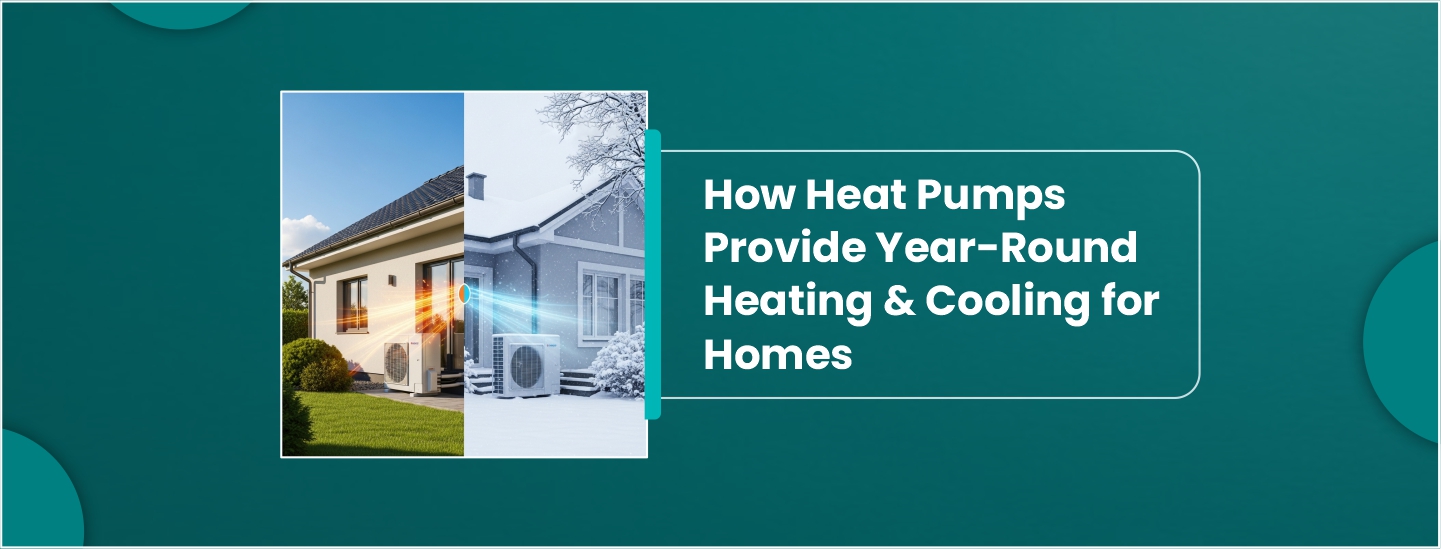
Table of Contents
What Is a Heat Pump and How It Works in an HVAC System
How Heat Pumps Switch Between Heating and Cooling Modes
Main Components That Make a Heat Pump System Work
Common Heat Pump Problems Homeowners Experience
Heat Pump Maintenance Tips
Heat Pumps vs Other Heating and Cooling Systems
When Heat Pump Repair or Service Is Needed
Choosing the Right Support for Heat Pump Installation and Care
Final Thoughts
A heat pump is a home comfort system that controls temperature by moving heat from one place to another, rather than creating heat from fuel or electric coils. This approach allows the same system to warm your home in winter and cool it in summer. Because it works with existing heat instead of generating new heat, a heat pump is designed to be more energy-efficient and versatile than many traditional HVAC systems.
To understand how a heat pump fits into an HVAC system, it helps to break its operation into simple ideas. The system works as part of your home’s heating, ventilation, and air conditioning setup, using indoor and outdoor components to manage heat flow and keep indoor temperatures steady throughout the year.
A heat pump is like a smart temperature mover for your home. Instead of making heat, it relocates heat from outside to inside or from inside to outside, depending on the season. Even when the air feels cold, there is still heat energy present that the system can collect and use.
For homeowners, this means one system replaces both a traditional heater and an air conditioner. The same equipment runs all year, adjusting its operation based on whether your home needs warmth or cooling, which simplifies comfort control and system maintenance.
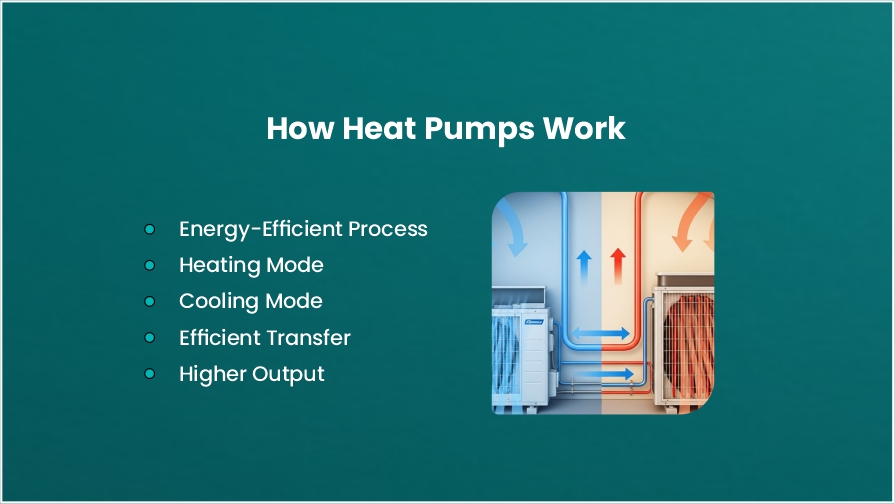
Heat pumps work using a heat transfer cycle that captures heat energy and releases it where it is needed. In heating mode, the system pulls heat from outdoor air, ground, or another source and transfers it indoors. In cooling mode, the process reverses, removing heat from inside the home and sending it outside.
Because the system is transferring existing heat, it uses less energy than systems that must generate heat from scratch. This is why heat pumps can often produce 2 to 4 times more heating energy than the electricity they consume, making heat transfer far more efficient than heat creation.
The key reason a heat pump can handle both heating and cooling is its ability to reverse direction. A component called a reversing valve allows the system to switch between pulling heat in and pushing heat out. This change happens automatically based on thermostat settings and indoor temperature needs.
In winter, heat is moved into the home to provide warmth. In summer, excess indoor heat is removed to cool the space. This flexibility allows homeowners to rely on one system year-round while maintaining consistent comfort without switching between separate heating and cooling units.
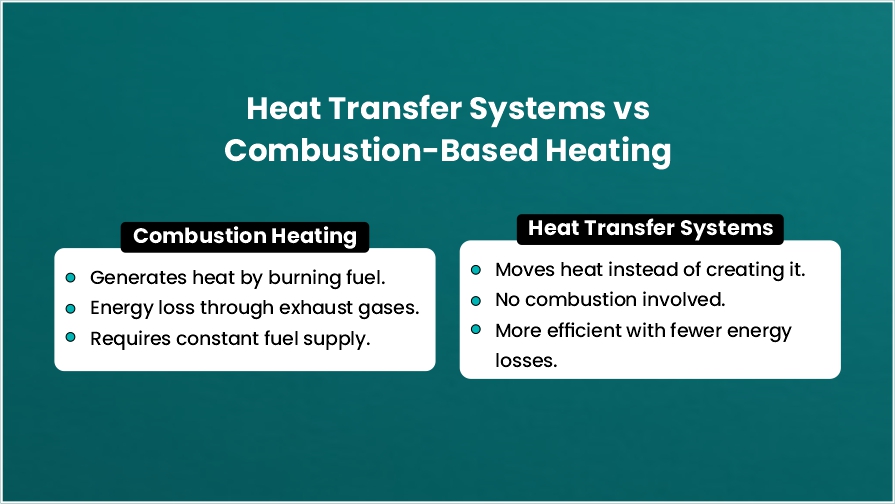
Traditional heating systems, such as gas or oil furnaces, create heat by burning fuel. This combustion process produces warmth but also results in energy loss through exhaust gases and requires a constant fuel supply. These systems are effective but depend on heat generation rather than heat movement.
Heat pumps, on the other hand, rely on heat transfer, which reduces energy waste and avoids combustion entirely. By moving heat instead of producing it, heat pumps operate with fewer losses and support cleaner, more efficient home heating and cooling as part of a modern HVAC system.
Heat pumps switch between heating and cooling by reversing how heat flows through the system, not by turning on separate equipment. This allows one system to respond to seasonal temperature changes simply by changing direction. The switch happens automatically through internal controls, keeping indoor comfort steady without manual intervention.
The system relies on controlled refrigerant movement and airflow management to change modes smoothly. These adjustments allow the heat pump to either remove heat from the home or bring heat inside, depending on what the thermostat demands.
In cooling mode, a heat pump removes heat from indoor air and releases it outdoors. Warm air from inside the home is pulled into the system, where heat is absorbed before the air is cooled and returned to living spaces. This process reduces indoor temperatures without directly creating cold air.
Two key elements make cooling mode work efficiently:
These elements work together to keep cooling consistent and prevent hot spots inside the home.
In heating mode, the heat pump reverses its operation and collects heat from outdoor air, even in cold conditions. The refrigerant absorbs available heat energy outside and carries it indoors, where that heat is released to warm the home.
This works in colder weather because:
By relying on heat transfer instead of heat generation, the system maintains indoor warmth while using energy more efficiently than traditional heating methods.
A heat pump system relies on several connected components that work together to move heat in and out of your home. Each part has a specific role, and when they operate in balance, the system can deliver steady heating and cooling throughout the year. Understanding these components helps homeowners see how comfort is maintained and why proper installation and upkeep matter.
Rather than working as separate pieces, these components communicate continuously. Airflow, refrigerant movement, and control signals all need to stay aligned for the system to perform efficiently and respond accurately to temperature changes.
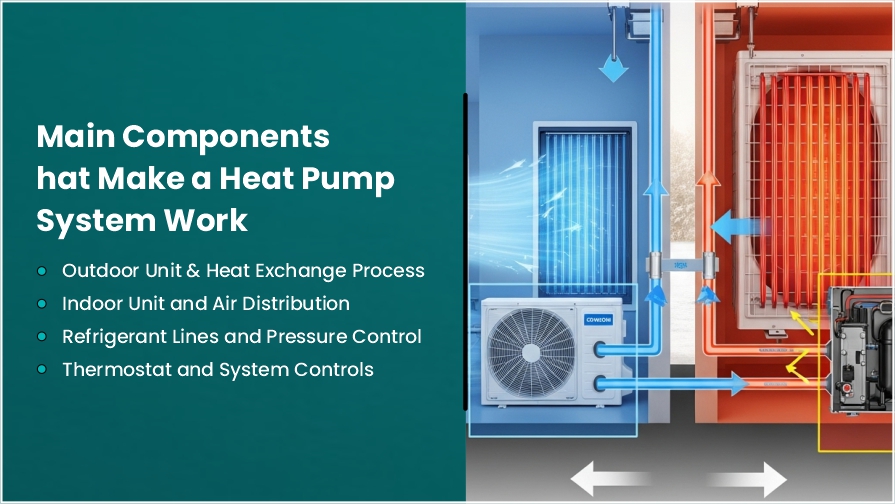
The outdoor unit is where heat is either collected or released, depending on the season. In heating mode, it absorbs heat from outdoor air and sends it inside. In cooling mode, it releases indoor heat to the outside environment. This constant exchange is what allows the system to regulate indoor temperature.
Clear airflow around the outdoor unit is essential for this process to work properly. When airflow is blocked, heat transfer becomes less effective, which can reduce efficiency and strain the system. Common factors that affect outdoor performance include:
Keeping the outdoor unit clear allows heat to move freely and supports consistent system performance.
The indoor unit is responsible for delivering heated or cooled air into your living spaces. Once heat is transferred indoors or removed from indoor air, the indoor unit circulates that conditioned air throughout the home. This ensures rooms stay comfortable and temperatures remain balanced.
In many homes, the indoor unit connects to ductwork that carries air to different rooms. In ductless setups, it connects to indoor air handlers mounted on walls or ceilings. In both cases, proper air distribution helps avoid hot or cold spots and ensures the system’s output reaches where it is needed most.
Refrigerant lines connect the outdoor and indoor units, allowing heat to move between them. The refrigerant changes state as it travels through the system, absorbing heat in one area and releasing it in another. This movement is what makes heat transfer possible.
Maintaining the right refrigerant pressure is critical for performance. If pressure is too low or too high, the system may struggle to move heat effectively. Proper pressure balance helps:
Even small pressure issues can affect how well the system performs over time.
The thermostat acts as the communication bridge between the homeowner and the heat pump system. When you adjust temperature settings, the thermostat sends signals that tell the system when to heat, cool, or pause operation. This allows the system to respond directly to comfort needs.
Modern controls also help the system operate more efficiently by managing run times and mode switching. By accurately reading indoor conditions and responding to user settings, the thermostat ensures the heat pump behaves correctly and maintains consistent comfort without constant manual adjustment.
Heat pumps are generally reliable, but everyday usage, airflow conditions, and system settings can lead to noticeable issues over time. Most problems homeowners experience are performance-related rather than complete breakdowns. Recognizing these problems early helps prevent comfort loss and efficiency decline.
These issues often show up as uneven temperatures, frequent system cycling, or reduced heating and cooling output. Understanding what causes them makes it easier to know when attention is needed.
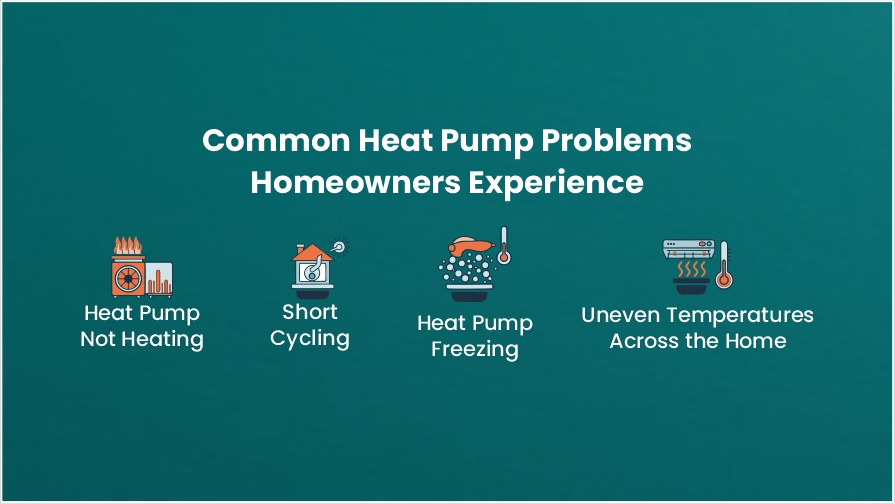
When a heat pump does not heat or cool effectively, the issue is usually tied to system balance rather than total failure. The system may run continuously but still struggle to reach the set temperature, making the home feel uncomfortable.
Common contributors to this problem include:
Mode-switching problems can also occur if the system does not fully shift between heating and cooling, leading to weak performance during seasonal changes.
Short cycling happens when a heat pump turns on and off repeatedly instead of completing full cycles. This behavior usually indicates a mismatch between system operation and home conditions.
Short cycling commonly happens because:
Frequent cycling reduces comfort, increases energy use, and adds extra wear to system components over time.
Ice buildup on a heat pump is often linked to airflow or moisture-related issues. When air cannot move freely across the coils, heat exchange becomes inefficient, causing condensation to freeze instead of evaporate.
The defrost system is designed to prevent this by periodically melting ice during operation. If airflow is restricted or the defrost cycle is not functioning properly, ice can continue to build up and reduce system performance.
Uneven temperatures occur when some rooms receive more conditioned air than others. This problem is usually related to airflow distribution rather than the heat pump itself.
In many homes, uneven comfort is caused by duct layout issues, blocked vents, or improper system sizing. Improving airflow balance helps ensure that heated or cooled air reaches all living spaces evenly, restoring consistent indoor comfort.
Regular maintenance plays a major role in keeping a heat pump running smoothly and avoiding common performance problems. Most issues homeowners experience start with small maintenance gaps that slowly affect airflow, heat transfer, or system balance. Simple, consistent care helps protect efficiency, comfort, and system lifespan.
Maintenance does not need to be complicated, but it does need to be timely. Focusing on airflow, outdoor conditions, and system balance helps the heat pump operate as designed throughout the year.
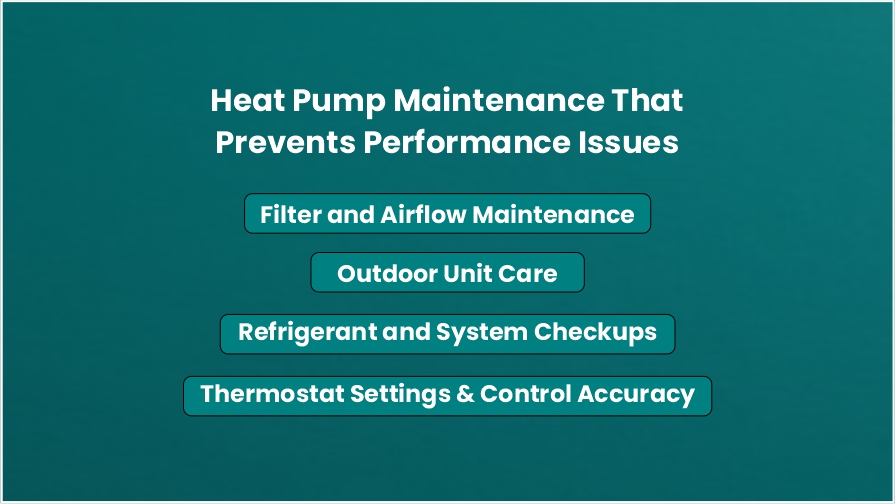
Air filters and airflow paths have a direct impact on how efficiently a heat pump operates. When filters become dirty or airflow is restricted, the system must work harder to move air and transfer heat. This extra strain can reduce comfort and increase energy use.
The outdoor unit needs clear space to exchange heat with the surrounding air. Leaves, dirt, snow, and other debris can block airflow and interfere with heat transfer. When airflow is restricted outside, the system becomes less efficient and may struggle during extreme temperatures.
Seasonal care is especially important because outdoor conditions change throughout the year. Clearing debris, trimming nearby plants, and ensuring proper spacing around the unit helps maintain reliable heating and cooling performance.
Refrigerant levels and internal system balance are critical to how well a heat pump performs. Small refrigerant issues can slowly reduce efficiency without obvious warning signs. Over time, these minor problems can lead to larger performance failures if left unaddressed.
Regular system checkups help identify issues early, such as pressure imbalances or component wear. Catching these problems sooner helps maintain steady heat transfer and prevents unnecessary strain on the system.
The thermostat plays a key role in how the heat pump responds to temperature changes. Incorrect settings or poorly calibrated controls can cause unnecessary cycling or uneven comfort. Even when the system itself is functioning correctly, control issues can create performance problems.
Ensuring the thermostat is properly set and accurately reading indoor temperatures helps the heat pump run efficiently. Clear communication between homeowner settings and system operation supports smoother performance and more consistent comfort year-round.
Homeowners often compare heat pumps with traditional systems to understand how they differ in energy use, comfort, and everyday operation. Each system can heat or cool a home, but the way they work and how they are used throughout the year varies. Looking at these differences without a sales angle helps clarify which approach fits different home needs and climates.
Rather than focusing on brand or cost, this comparison centers on how each system operates, how comfort is delivered, and what homeowners experience during regular use.
Heat pumps and furnaces differ mainly in how they produce warmth. A furnace generates heat by burning fuel or using electric resistance, while a heat pump moves existing heat from one place to another. This difference affects both energy use and how the system feels during operation.
From a comfort perspective, heat pumps usually provide a more gradual and steady warmth, while furnaces deliver short bursts of hot air. Heat pumps also rely solely on electricity, whereas furnaces depend on gas, oil, or propane, which introduces fuel availability and combustion considerations.
Traditional air conditioners are designed only for cooling and operate during warmer months. Heat pumps, on the other hand, handle both cooling and heating, allowing them to run year-round as a complete comfort system.
Because air conditioners are seasonal, homes using them still require a separate heating system. Heat pumps replace that dual-system setup by switching modes internally. This difference simplifies system management and allows one set of equipment to respond to changing temperatures throughout the year.
Even well-maintained heat pumps can develop issues over time. Knowing when service is needed helps homeowners address problems early and avoid long-term performance loss. Most warning signs appear gradually and are often related to comfort changes or unusual system behavior.
Timely attention keeps small issues from turning into larger system problems and helps maintain efficient operation.
Some changes in system behavior indicate that attention is needed. These signs may appear during heating or cooling seasons and usually reflect internal imbalance rather than complete failure.
Common warning signs include:
Paying attention to these changes helps prevent comfort disruption and further system strain.
Early diagnosis helps protect efficiency and system health. When issues are identified quickly, the system does not have to work harder to compensate for hidden problems. This helps maintain stable performance and consistent comfort.
Addressing concerns early also reduces unnecessary strain on major components. By correcting small issues before they escalate, homeowners can avoid more complex system stress and keep the heat pump operating as intended over time.
Choosing the right support for heat pump installation and ongoing care plays a major role in how well the system performs over time. Even a well-designed heat pump depends on correct setup, accurate adjustments, and informed oversight to deliver reliable results. The right support helps align the system with the home’s needs from the beginning and keeps performance steady as conditions change.
This support extends beyond installation day. Ongoing evaluation and informed care help homeowners protect comfort, efficiency, and long-term reliability without unnecessary system stress.
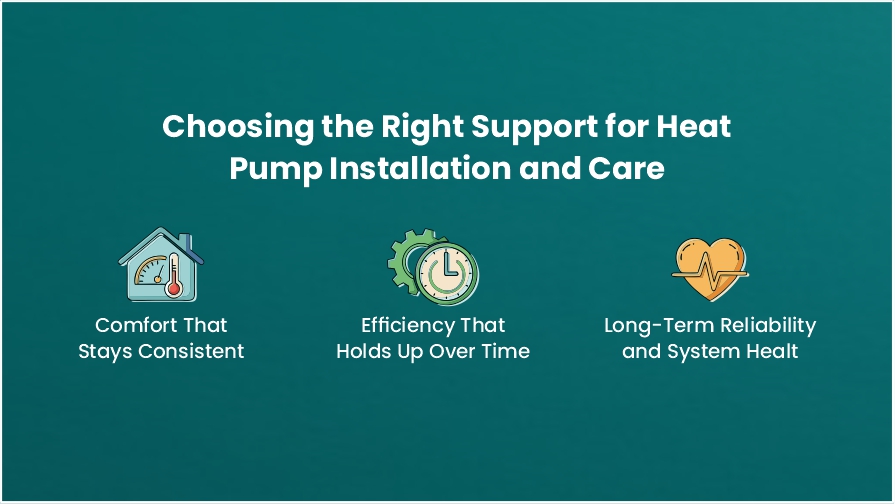
Proper installation and care help a heat pump deliver stable indoor temperatures throughout the year. When the system is correctly evaluated for the home, it responds smoothly to both heating and cooling demands.
Efficiency depends on how well the system is matched to the home and how consistently it is maintained. Small setup or maintenance gaps can slowly reduce performance, even if the system appears to be running.
Heat pumps are built for long service life, but reliability depends on early attention to small issues. Without proper oversight, minor imbalances can lead to increased wear over time.
Professional evaluation ensures the heat pump is correctly sized, configured, and adjusted for the home’s layout and comfort needs. This step helps identify potential issues before they affect daily performance.
Early evaluation also helps protect long-term system health by confirming airflow, control accuracy, and overall balance. With the right support in place, homeowners can rely on their heat pump for consistent comfort, efficiency, and dependable performance over the long term.
Heat pumps offer a clear, practical way to manage home comfort throughout the year by handling both heating and cooling with one system. By moving heat instead of creating it, they provide steady temperatures, efficient operation, and reliable performance across changing seasons. Understanding how heat pumps work, what components keep them running, and how maintenance supports performance helps homeowners make informed decisions about comfort systems.
When supported by proper setup, regular care, and early attention to performance changes, heat pumps can deliver long-term comfort and dependable operation. With the right understanding and support in place, homeowners can rely on heat pump systems to maintain comfortable indoor environments while operating efficiently year after year.
Yes, a heat pump provides both heating and cooling by reversing how heat moves through the system. It pulls heat indoors during colder months and removes indoor heat during warmer months, using the same equipment year-round.
Yes, heat pumps are designed to extract usable heat from outdoor air even when temperatures are low. Modern systems can operate effectively in cold climates, although efficiency may vary depending on outdoor conditions and system design.
Heat pumps often run longer because they deliver steady, consistent heat instead of short bursts of very hot air. This longer run time helps maintain even indoor temperatures and improves overall comfort while using energy more efficiently.
Yes, proper airflow is essential for effective heat transfer. Restricted airflow can reduce efficiency, strain the system, and lead to uneven heating or cooling throughout the home.
A heat pump should be checked regularly to ensure airflow, controls, and system balance remain correct. Routine checks help catch small issues early and support reliable performance throughout the year.
Join our mailing list for exclusive updates, expert tips, and special offers tailored to your needs. Be the first to know about the latest in home services.
Renovize Home is a platform that supports homeowners from planning to renovation. Whether it’s Renovize AI for guidance or a one-on-one call with Pro Finder, we understand your project and match you with local contractors tailored to your needs.
Who We Are
About Renovize HomeGet in TouchHomeownwer Support:
Coming Soon!
General Inquiries:
support@renovizehome.com
Head Office:
24 Greenway Plaza, STE 1800M, Houston, TX 77046.