
Explore All
BROWSE BY CATEGORY
Interior
Exterior
Home Essentials
Homeowner Tools
Blogs & Guides
Find a Pro
Book Your Appointment Now
Home Essentials
About Renovize Home
Explore All
BROWSE BY CATEGORY
Interior
Exterior
Home Essentials
Homeowner Tools
Blogs & Guides
Find a Pro
Book Your Appointment Now
Home Essentials
About Renovize Home
Last Updated 2025-11-12
Bathroom painting and wall treatment are not just cosmetic upgrades; they serve as the first line of defense against moisture and mildew. High-quality, moisture-resistant paints create a barrier that prevents peeling and staining. Meanwhile, wall treatments like vinyl wallpaper, beadboard, or wainscoting add both texture and protection. Together, they improve hygiene, comfort, and design durability ensuring your bathroom stays beautiful and easy to maintain.
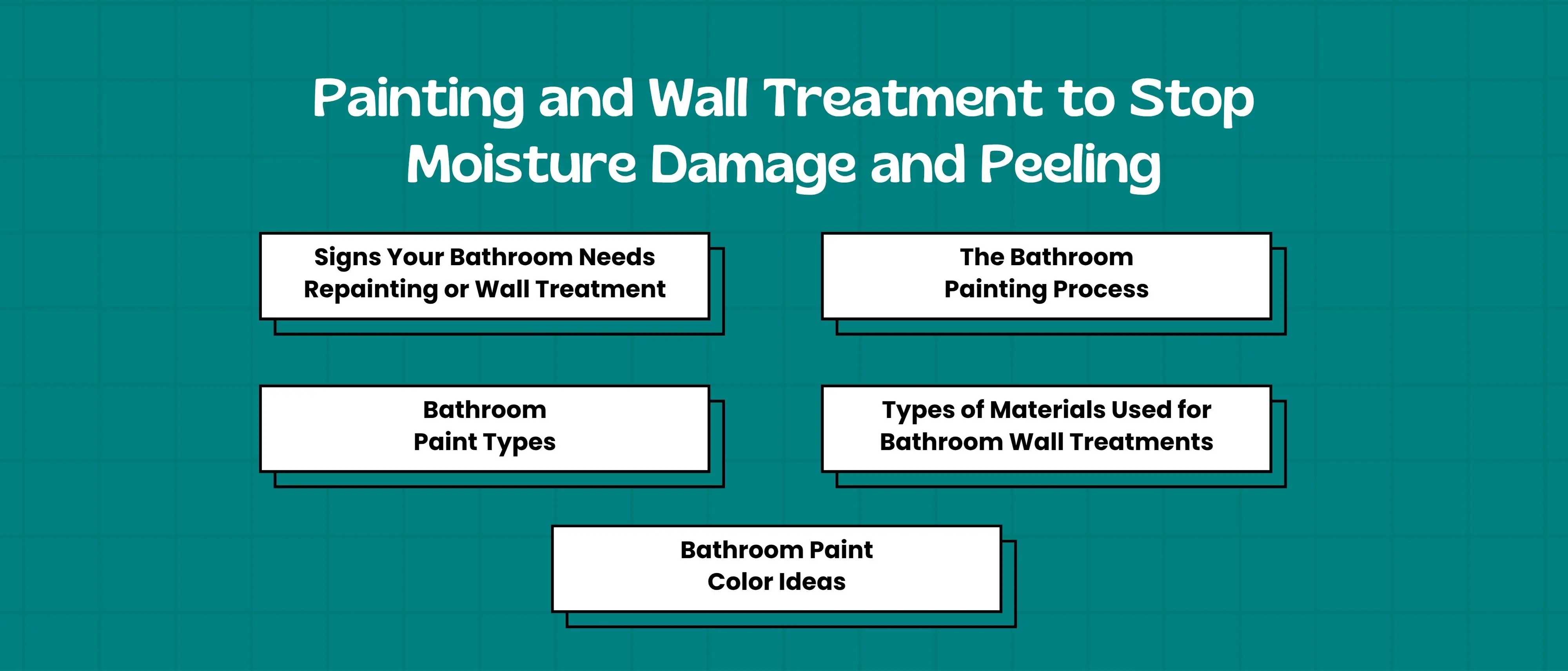
Table of Contents
Signs Your Bathroom Needs Repainting or Wall Treatment
The Bathroom Painting Process
Bathroom Paint Types and Finishes
Types of Materials Used for Bathroom Wall Treatments
Bathroom Paint Color Ideas
Bathroom Painting Cost
Maintenance and Cleaning Tips
DIY vs Professional Bathroom Painting
Final Takeaway
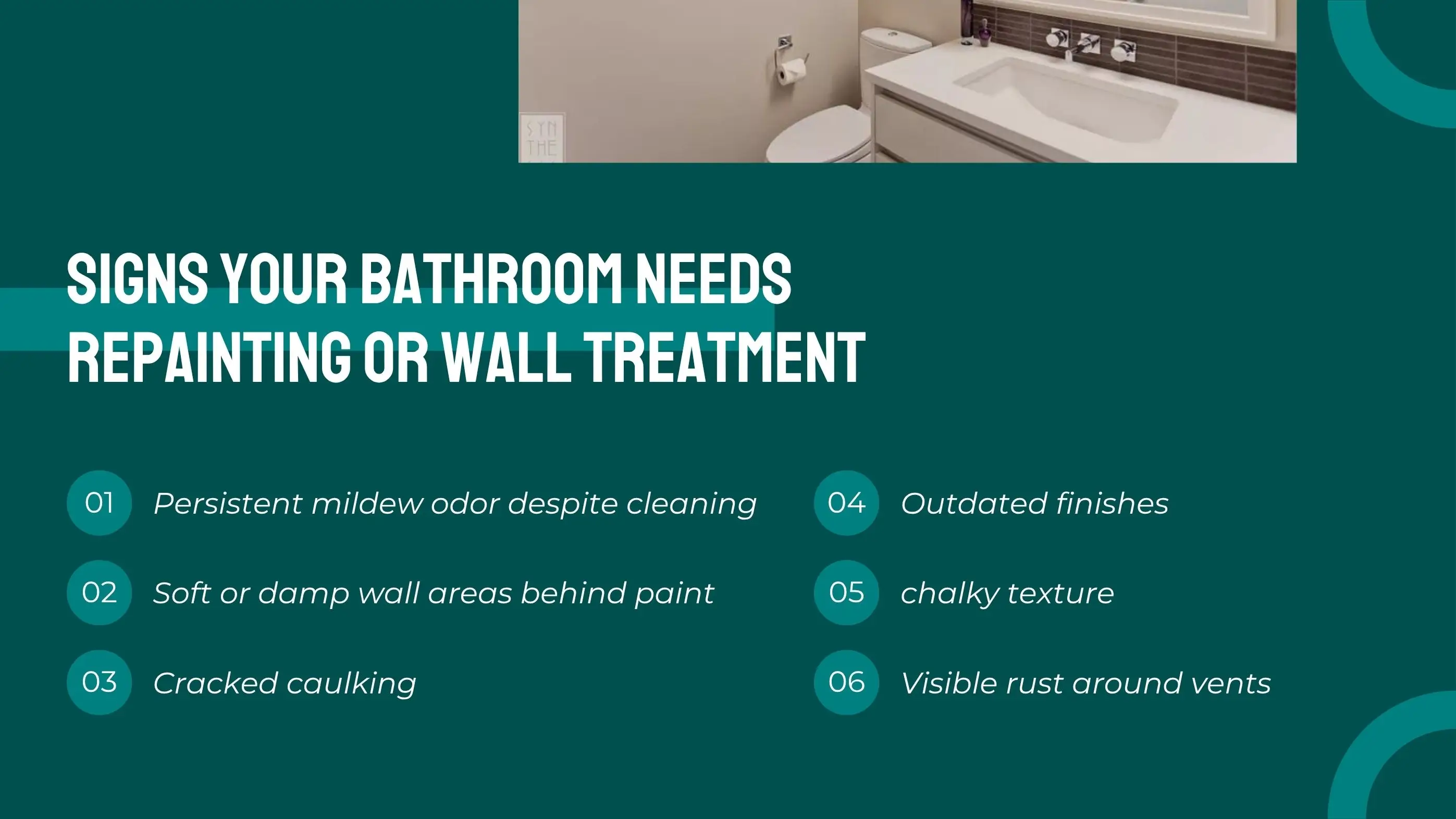
Bathrooms face constant exposure to humidity, water splashes, and cleaning chemicals, which gradually weaken paint and finishes. Over time, even high-quality coatings can lose their sheen, start bubbling, or show signs of mildew buildup. You might notice the paint near the shower, vanity, or ceiling starting to peel or fade due to moisture saturation.
A dull or uneven color tone is another early indicator that your paint is no longer providing adequate protection. Repainting or reapplying a proper wall treatment at this stage prevents deeper damage like wall rot or mold growth beneath the surface.
Painting your bathroom is more than just adding color, it's about protecting your walls from constant humidity, steam, and daily use. Bathrooms are one of the toughest spaces to maintain because moisture can quickly cause paint to peel, bubble, or grow mildew.
That’s why following each step carefully makes all the difference. A proper process ensures your paint sticks well, lasts longer, and keeps your bathroom looking clean and fresh for years.
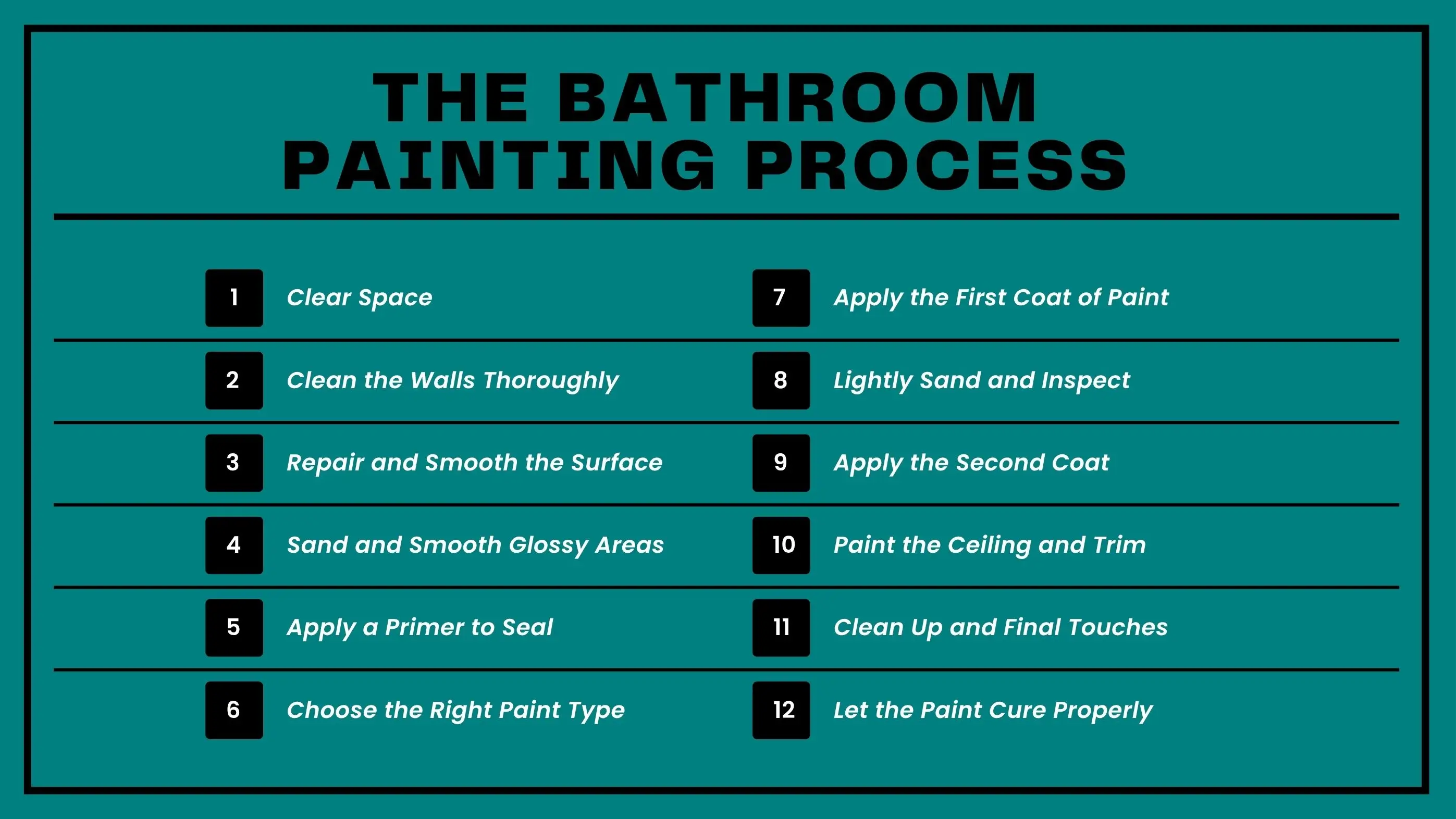
Before you start painting, clear and protect your space.
Walls in bathrooms collect soap residue, grease, and mildew over time. Start by wiping everything down with a mixture of warm water and mild soap. Use a soft sponge and pay extra attention to areas near the shower, sink, and toilet.
If you see any black or gray spots, it could be mildew. Spray a water-and-vinegar mix or a bathroom cleaner made for mold. Let it sit for a few minutes, scrub gently, and then rinse with clean water.
Inspect your walls under good light. Look for cracks, nail holes, or peeling paint.
If your bathroom walls already have a glossy or semi-gloss finish, lightly sand them. This step helps the primer stick better.
Use 220-grit sandpaper and move your hand in small circular motions, don't press too hard. Wipe off all the dust before applying primer.
Primer is one of the most important steps in painting a bathroom. It creates a smooth base for the paint and keeps moisture from seeping through the walls.
If your walls had water stains or you recently repaired areas, use a stain-blocking primer for extra coverage.
Not all paints are made for bathrooms. Because bathrooms face humidity and temperature changes, you need a moisture-resistant formula.
Best paint types for bathrooms:
Once the primer is dry, you’re ready to paint.
When the first coat is dry, run your hand over the wall. If you feel tiny bumps or see uneven patches, lightly sand the surface with fine-grit sandpaper. This helps the second coat go on smoother and gives a more professional finish. Wipe the wall clean before adding the next layer.
Now it’s time to seal your work.
Let the paint cure for at least 24 hours before exposing it to steam or water.
If your bathroom ceiling looks dull or stained, repaint it with mildew-resistant ceiling paint. Use a roller with an extension pole to reach easily. For trims and window frames, switch to semi-gloss or enamel paint for a durable and wipeable surface.
Once you’re done:
Even though the paint feels dry after a few hours, it still needs about 1–2 weeks to fully cure. During this time:
Selecting the right paint for your bathroom is crucial to ensure durability, moisture protection, and a polished look. Because bathrooms face constant humidity, steam, and frequent cleaning, not all paints are suitable. The best choices balance moisture resistance, easy cleaning, and long-lasting color.
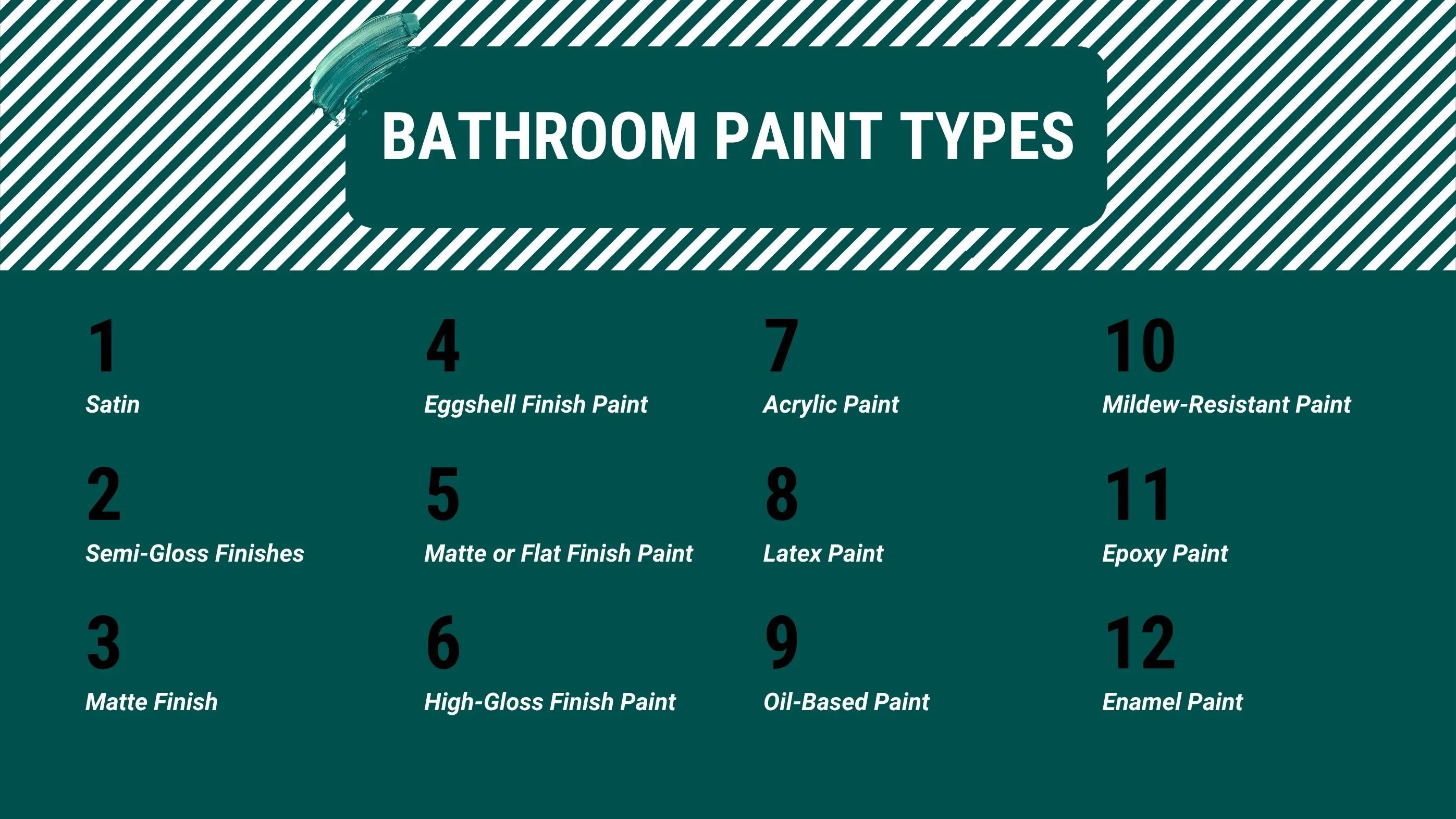
Satin paint offers a soft sheen and smooth texture, ideal for bathroom walls and ceilings. It’s easy to clean and provides mild moisture resistance, making it a popular all-round option for most bathrooms.
Semi-gloss paint is highly durable and water-resistant, perfect for areas near sinks, showers, and bathtubs. It repels moisture effectively and withstands regular scrubbing, helping maintain a clean look over time.
Matte paint delivers a smooth, non-reflective appearance that hides imperfections well. However, it’s best suited for powder rooms or well-ventilated bathrooms since it can be harder to clean and less resistant to moisture.
Eggshell paint provides a low-sheen, velvety look, sitting between matte and satin. It works well on bathroom walls with moderate moisture exposure, offering better washability than flat finishes without being overly glossy.
High-gloss paint has the most shine and is extremely moisture-resistant. It’s ideal for trim, doors, and moldings but not recommended for large wall areas since it highlights surface flaws. Its glossy coating ensures maximum durability and easy cleaning.
Acrylic paints are water-based and known for their quick-drying, durable nature. They resist peeling, cracking, and mildew, making them excellent for high-humidity bathrooms. Most modern bathroom paints are acrylic-based for superior performance.
Latex paint is also water-based, eco-friendly, and low in odor. It offers great coverage, flexibility, and resistance to moisture and mildew. It’s ideal for general bathroom walls and ceilings.
Oil-based paints create a hard, glossy surface that resists wear and moisture well. However, they take longer to dry, have stronger odors, and may yellow over time. They’re now less common but still suitable for trim or moldings.
Mildew-resistant paints contain additives that prevent mold and mildew growth on surfaces exposed to moisture. They’re perfect for bathroom ceilings and poorly ventilated spaces, keeping walls cleaner and fresher longer.
Epoxy paint forms a thick, durable coating resistant to moisture, stains, and chemicals. It’s commonly used for shower walls, floors, and bathroom tiles. Its glossy finish seals out water and ensures long-lasting protection.
| Finish Type | Best For | Moisture Resistance | Appearance |
|---|---|---|---|
| Satin | Walls and ceilings | Moderate | Smooth, soft glow |
| Semi-Gloss | Near tubs and sinks | High | Shiny, easy to clean |
| Matte | Powder rooms, well-ventilated areas | Low | Flat, hides flaws |
| Eggshell | Moderate-moisture walls | Medium | Velvety with gentle sheen |
| High-Gloss | Trim, doors, and accents | Very High | Reflective and bold |
| Acrylic Paint | General bathroom walls | High | Smooth, durable finish |
| Latex Paint | Walls and ceilings | High | Clean, low-odor, flexible coating |
| Oil-Based Paint | Trim and moldings | Very High | Hard, glossy surface |
| Mildew-Resistant Paint | Ceilings and humid areas | Very High | Clean, prevents mold growth |
| Epoxy Paint | Tiles, floors, and shower areas | Extremely High | Glossy, thick, waterproof coating |
The best wall treatments provide a balance of aesthetics and function, helping your bathroom stay clean, dry, and visually appealing for years. Each option varies in texture, maintenance, and level of water resistance, giving you the flexibility to design a space that fits your needs and style.
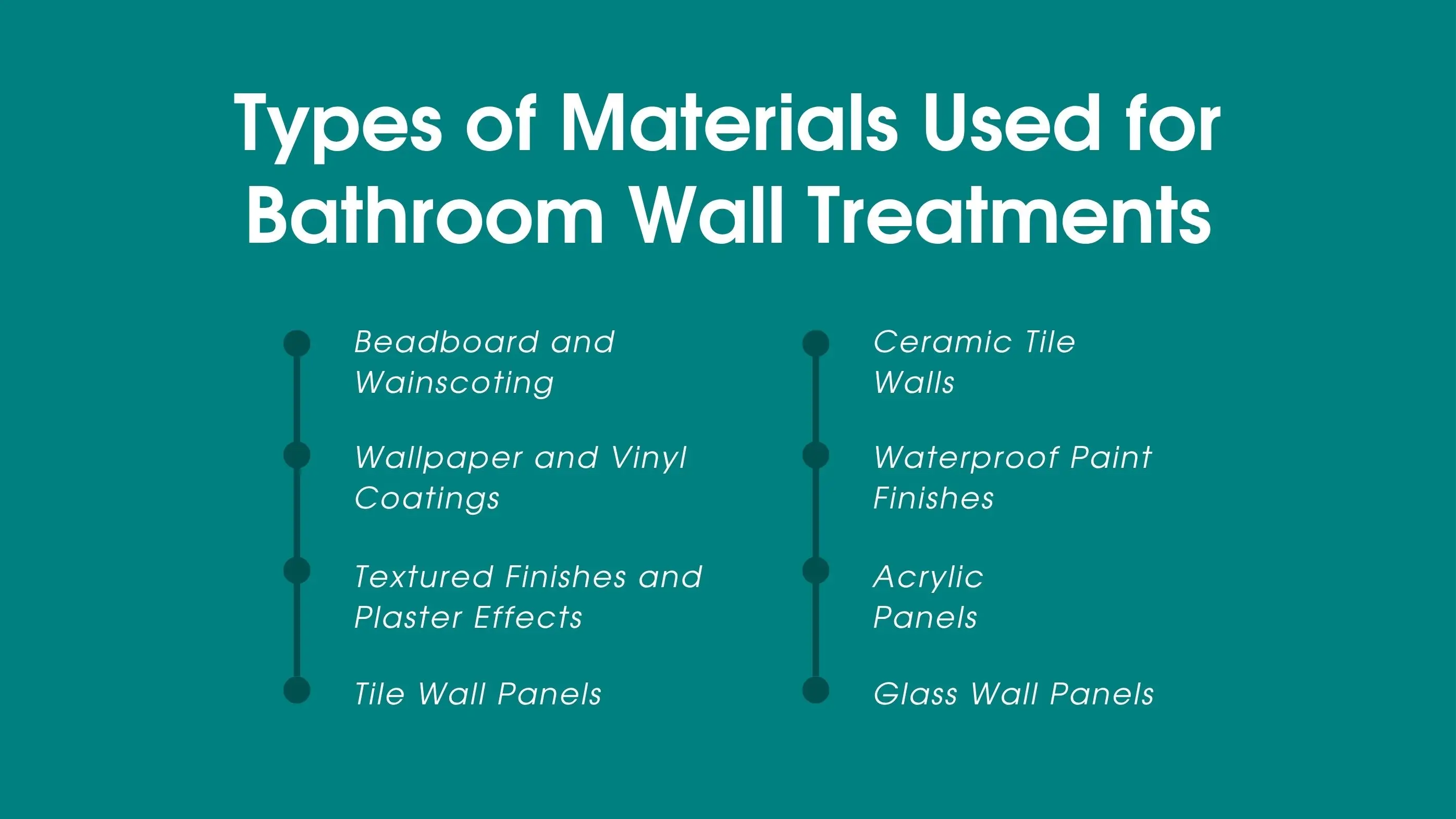
Beadboard and wainscoting panels add depth and protect lower walls from moisture. They’re typically made of MDF, PVC, or wood and can be painted in soft whites, grays, or pastel tones for a timeless, fresh look.
They shield walls from splashes, add texture and charm, and are easy to maintain or repaint over time.
Moisture-resistant or vinyl-coated wallpapers are ideal for humid bathrooms. Washable and peel-and-stick options allow easy updates without damage to walls.
These coatings bring color, pattern, and texture while resisting steam, moisture, and stains for long-lasting appeal.
Venetian plaster, limewash, and faux finishes add sophisticated depth to bathroom walls. These breathable and durable coatings handle humidity while offering a refined, upscale look.
They work especially well for accent walls and create an elegant, high-end texture that’s mold-resistant when sealed.
Made of acrylic, PVC, or laminate, tile wall panels offer 100% waterproof protection. They provide a sleek, grout-free appearance and are available in marble, stone, or glossy finishes.
Their seamless surface is easy to clean, fast to install, and perfect for high-traffic or rental bathrooms.
Ceramic, porcelain, and natural stone tiles are durable and water-impermeable, making them ideal for showers or full-wall coverage.
They provide a timeless, elegant look, are stain-resistant, and come in countless colors and patterns. Although costlier, they offer unmatched longevity and ease of maintenance.
Moisture-blocking and mildew-resistant paints help control humidity while enhancing wall color. Satin and semi-gloss options are best for bathrooms because they dry quickly and are easy to clean.
This treatment is a cost-effective choice for smaller spaces or as a base layer under other materials.
Acrylic panels mimic the appearance of tiles or marble but install directly over existing walls. They create a seamless, waterproof surface without grout lines.
Their glossy, modern finish and quick installation make them a low-maintenance solution for busy households.
Tempered glass panels are used behind vanities or inside showers for total water protection and a sleek finish. They reflect light beautifully, resist mold and moisture, and are hygienic and easy to clean, perfect for contemporary or luxury bathrooms.
Your bathroom’s color scheme can completely transform its mood and visual impact. The right palette enhances natural light, complements fixtures, and creates the atmosphere you want be it calming, luxurious, or energizing. Light tones expand small spaces, dark hues add sophistication, and accent walls bring depth and personality. Below are color categories with their unique pros, cons, and best-use recommendations for every type of bathroom.
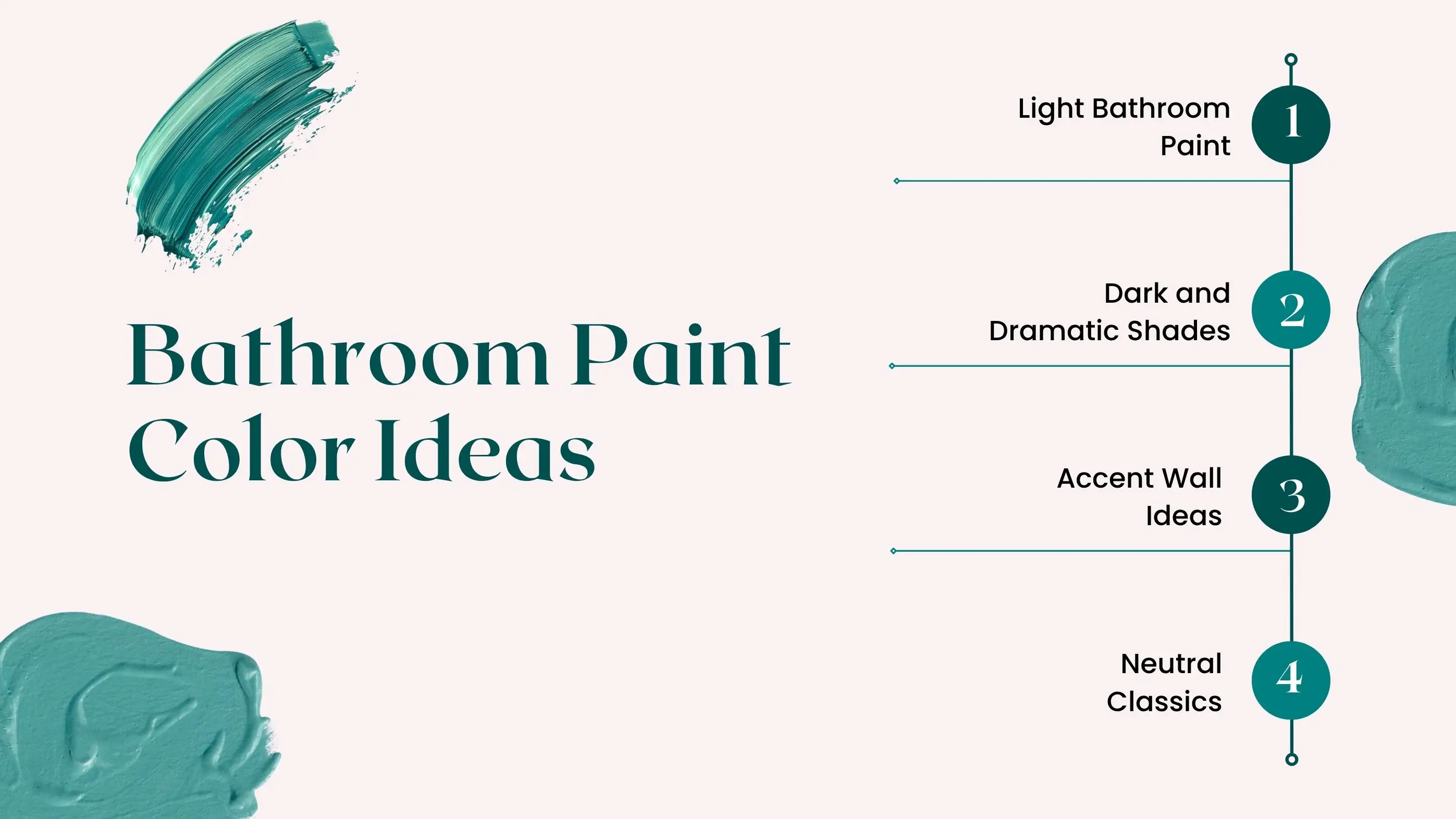
Soft whites, pastels, and pale neutrals make small bathrooms feel brighter and more open. These shades reflect both natural and artificial light beautifully, creating a fresh and airy ambiance.
Colors like charcoal gray, deep navy, and forest green add richness and sophistication. These shades create a cozy, high-end look and pair beautifully with gold or brass fixtures.
Accent walls bring personality and focus without overwhelming the room. Teal, blush pink, or patterned wallpaper can highlight a vanity, bathtub, or mirror area.
Beige, greige, and soft gray tones offer timeless elegance and versatility. They serve as a subtle backdrop that works with any décor style and fixture finish.
The cost of bathroom painting depends on size, labor, paint quality, and surface condition. Investing in high-quality paint and proper prep work extends your project’s lifespan and appearance.
A typical bathroom painting project ranges from $300 to $1,000, including labor, materials, and primer. Powder rooms cost less, while large or textured spaces require additional coats and higher-grade products.
| Task | Estimated Cost Range | Details |
|---|---|---|
| Painting Walls & Trim | $200–$600 | Includes paint, primer, and labor. |
| Ceiling Painting | $100–$300 | Mildew-resistant finish. |
| Wallpaper Removal | $300–$600 | Varies by wall condition. |
| Wall Treatments | $250–$800 | Includes beadboard or textured finishes. |
Several factors determine the overall cost of bathroom painting or wall treatment. Wall height, texture, and condition directly impact how much paint and labor are required. Smooth surfaces are quicker to finish, while textured or damaged walls may need extra sanding and priming. The number of coats also affects cost, with darker colors or bold shades often requiring additional layers for full coverage.
Finally, the type and brand of paint from standard latex to high-end Venetian plaster or designer wallpaper can significantly influence the price. Although premium finishes increase upfront cost, they provide long-lasting protection, moisture resistance, and a more elegant finish that enhances your bathroom’s appeal.
Proper maintenance extends the life and appearance of your bathroom’s painted or treated walls. Regular cleaning helps prevent mold, stains, and discoloration caused by humidity.
DIY projects work well for small bathrooms or single-wall updates. With proper tools and patience, you can achieve professional results. However, professional painters bring expertise, moisture management techniques, and high-quality equipment. For large or complex bathrooms, hiring a pro ensures even coating, better durability, and long-term value.
Bathroom painting and wall treatments do more than beautify your space, they extend its life and protect against daily wear. From mold-resistant primers to decorative finishes, every layer plays a role in maintaining comfort and hygiene. Whether you’re adding bold character or subtle elegance, quality materials and skilled application ensure lasting results.
Peeling usually happens when moisture gets trapped behind the paint. Use a mildew-resistant primer, satin or semi-gloss paint, and keep the area ventilated with an exhaust fan during and after showers.
Yes, as long as the old paint is not peeling or moldy. Clean the walls thoroughly, sand glossy areas, and apply a moisture-resistant primer before adding your new coat.
Use a mold-killing cleaner before priming, then apply mildew-resistant primer and paint. Keep humidity low by running the fan or opening windows after showers.
Regular interior paint won’t hold up to bathroom humidity. Always choose latex or acrylic paint labeled “bathroom” or “mildew-resistant” to ensure durability and easy cleaning.
Let the paint cure for at least 24 hours before exposing it to steam or water. For best results, wait 2–3 days to prevent bubbling or streaking.
Join our mailing list for exclusive updates, expert tips, and special offers tailored to your needs. Be the first to know about the latest in home services.

Renovize Home is a platform that supports homeowners from planning to renovation. Whether it’s Renovize AI for guidance or a one-on-one call with Pro Finder, we understand your project and match you with local contractors tailored to your needs.
Who We Are
About Renovize HomeGet in TouchHomeownwer Support:
Coming Soon!
General Inquiries:
support@renovizehome.com
Head Office:
24 Greenway Plaza, STE 1800M, Houston, TX 77046.